
Christian Porn Addiction Help: Faith-Based Recovery Resources
Deloop is the #1 porn addiction recovery app. Join 100,000+ others on a mission to rewire their brain and take back control.


I've noticed something interesting in my years working with faith communities: the pastors who are most effective at helping people with porn addiction are usually the ones who've walked through it themselves. There's this unspoken understanding that happens when someone can say "I get it" without having to explain the shame spiral or the cycle of promising God you'll stop. The resources that actually work aren't the ones preaching at you—they're the ones meeting you where you are.
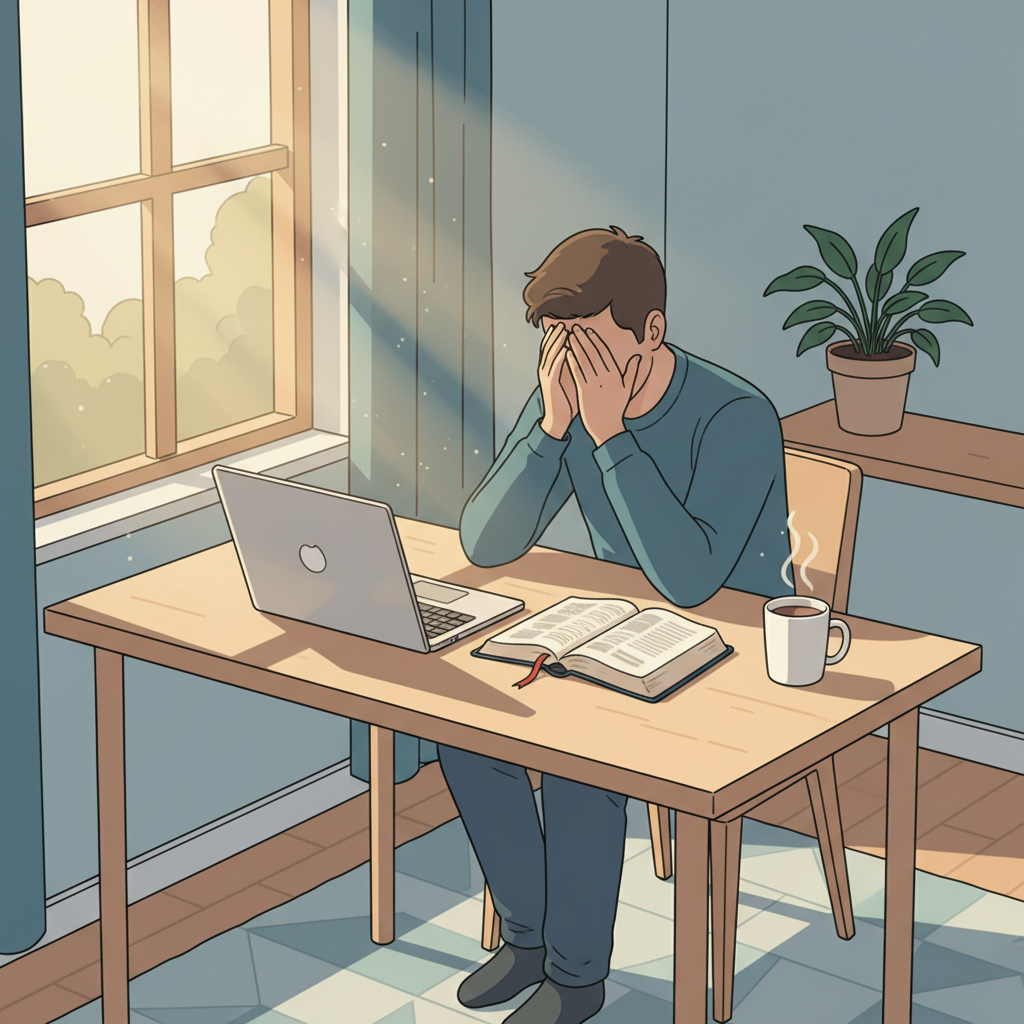
When Scripture Meets Silicon Valley: My Journey Through Digital Temptation
I thought having strong faith would make me immune to digital temptation. Wrong. The smartphone in my pocket became a gateway to places my spirit knew I shouldn't go, yet my flesh kept wandering there anyway.
What really hit me was realizing how technology amplified the struggle our grandfathers never faced. They didn't have endless content available at 2 AM when willpower runs thin. I had to learn that biblical principles still work, but they need digital-age applications.
The breakthrough came when I stopped treating this as purely a willpower problem and started seeing it as discipleship in the internet era. Same gospel truths, different battlefield.

Accountability Partners Who Actually Show Up: Building Your Recovery Circle
I've learned there's a massive spectrum between surface-level accountability and the kind that actually works. On one end, you've got the buddy who asks "How's it going?" once a month and accepts "fine" as an answer. On the other end, you have someone who texts you Sunday evenings asking specific questions about your week and notices when you're avoiding eye contact at church.
What I've found works: pick someone who's further along in their own recovery journey. They understand the shame spiral and won't just pray over you when you mess up – they'll help you figure out what triggered it and adjust your strategy.
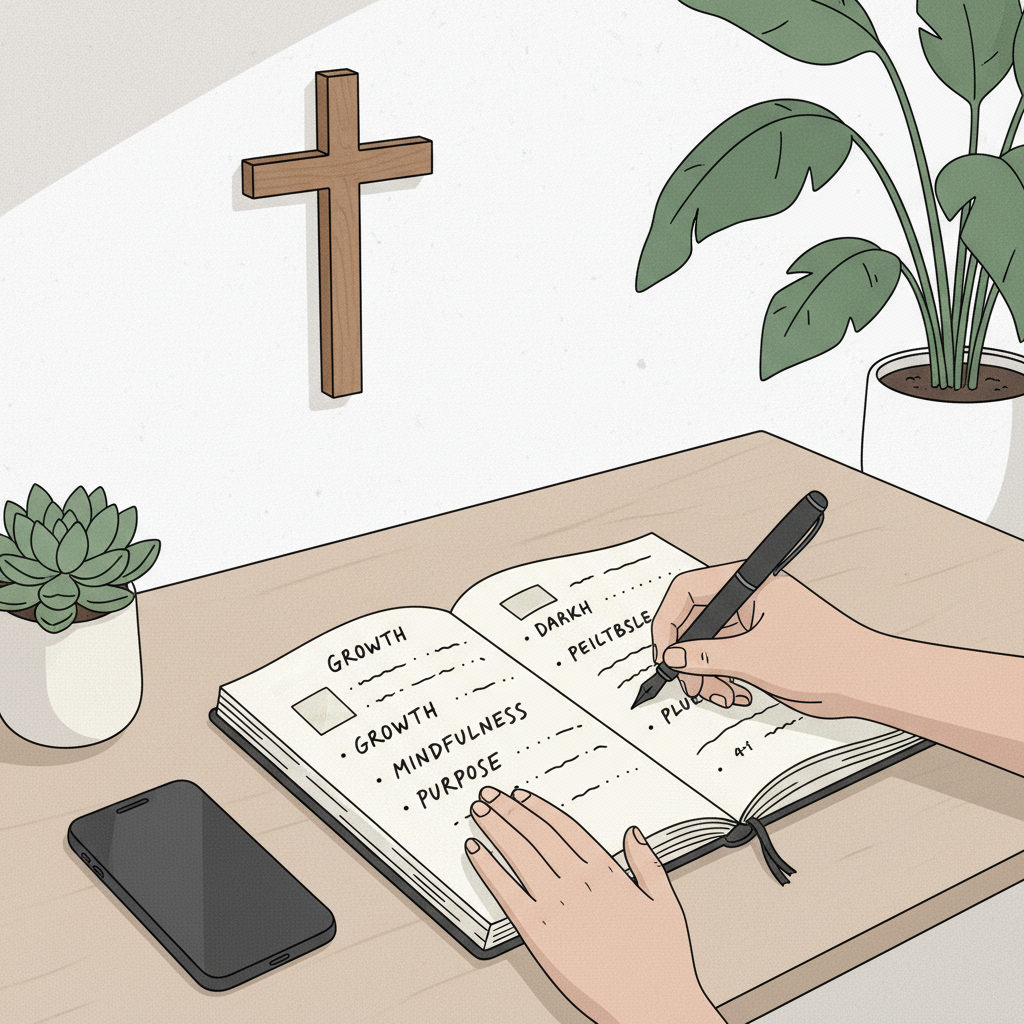
Rewiring My Mind: Practical Strategies That Moved Me Beyond White-Knuckle Willpower
I used to think beating this was about gritting my teeth harder. That approach failed spectacularly every time.
What actually worked was rewiring how I thought about triggers. Instead of "I can't look at that," I started asking "What am I really looking for right now?" Usually it was connection, stress relief, or escaping boredom.
I replaced the behavior with intentional alternatives. Feeling disconnected? I'd text a friend or call my accountability partner. Stressed? Five-minute prayer walks became my go-to. The key was having these responses ready before I needed them.
I also started viewing urges differently—not as failures, but as information about what I was missing emotionally or spiritually.
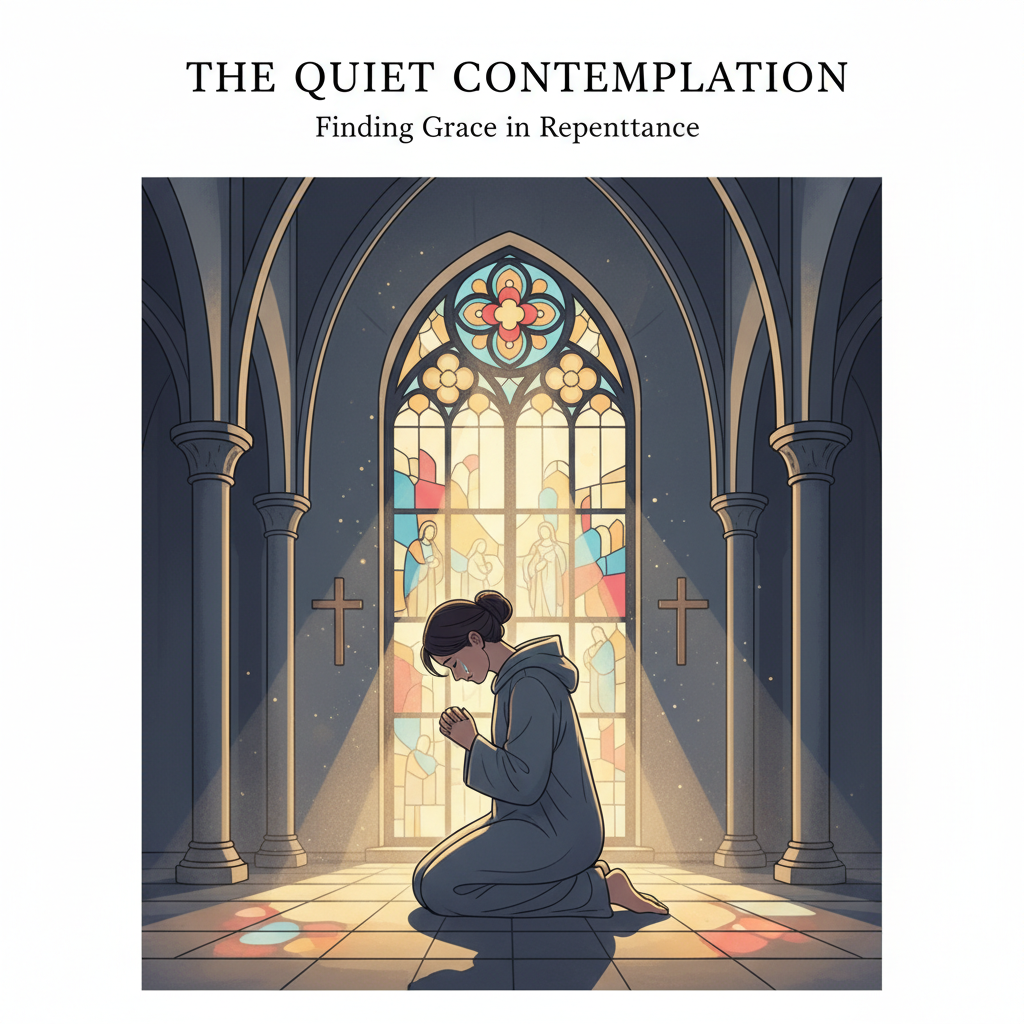
Shame vs. Conviction: Learning the Difference That Changed Everything
I spent years confusing shame with godly conviction, and it nearly destroyed my recovery. Shame whispers "you're worthless and broken beyond repair." Conviction says "this behavior doesn't align with who you're meant to be."
When I relapsed, shame made me want to hide from God and isolate completely. I'd stop praying, skip church, avoid accountability partners. That downward spiral always made things worse.
Conviction, though? It draws you toward repentance and restoration. It's that gentle but firm nudge that says "come back home." I've learned to recognize the difference in my body - shame feels heavy and suffocating, while conviction feels like a loving hand on my shoulder.
The moment I stopped beating myself up and started receiving God's grace, real healing began.
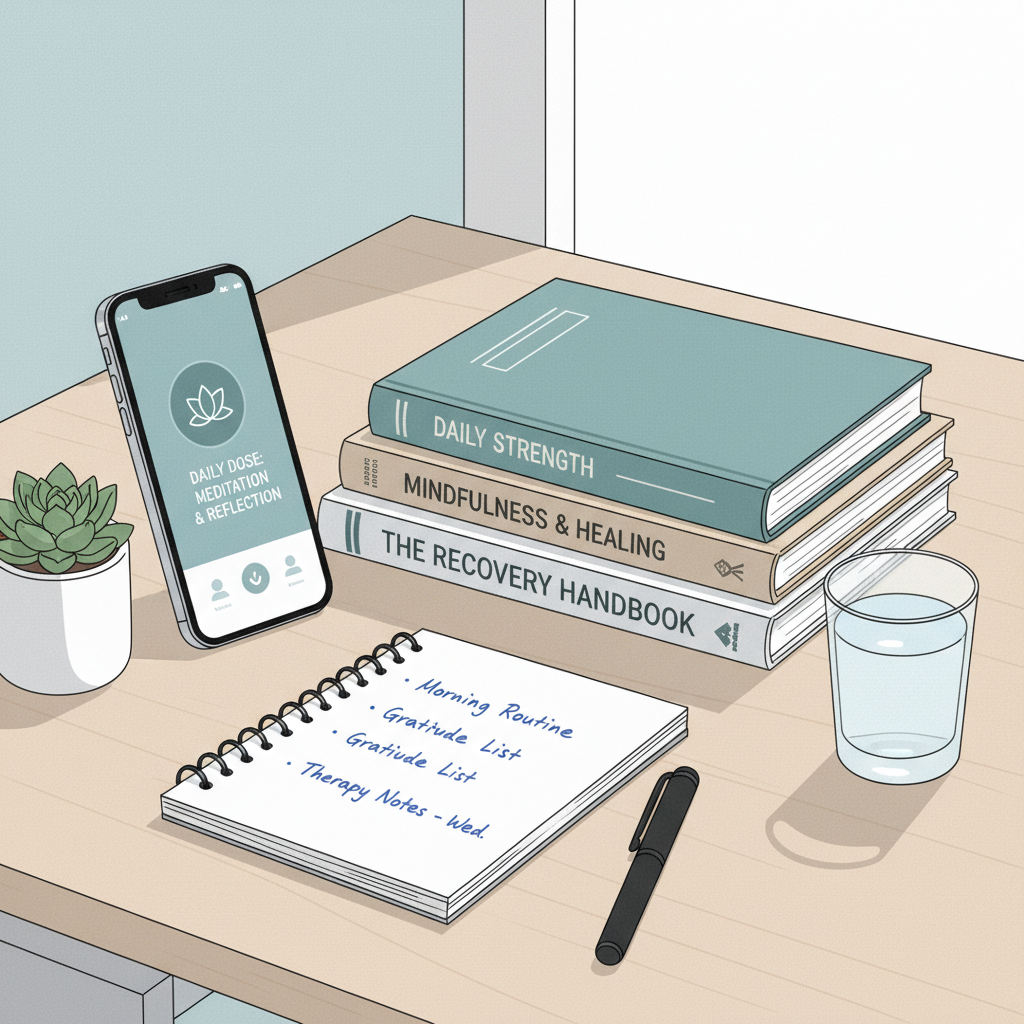
Recovery Resources That Actually Work: Apps, Books, and Programs I Wish I'd Found Sooner
Covenant Eyes - I resisted this for months thinking it was overkill.
Pros: The accountability reports actually work. My partner gets detailed breakdowns, not just "blocked site" notifications. The mobile monitoring caught things other filters missed.
Cons: Monthly cost adds up ($16/month), and the desktop app can slow things down. Sometimes flags legitimate sites.
Pure Desire Ministries - Their online courses tackle the shame piece that secular programs skip.
Pros: Ted Roberts gets the Christian struggle without being preachy. The spouse materials are solid too.
Cons: Interface feels dated, and some content is repetitive.
"Finally Free" by Heath Lambert - Best book I've read on this topic.
Pros: Practical without being shallow. Addresses root causes, not just behavior modification.
Cons: Heavy on theology, light on day-to-day tactics.
What People Ask
What if prayer and Bible study aren't helping with my porn addiction?
Look, I've been there - sometimes the spiritual disciplines feel empty when you're still struggling. From what I've seen work, you need to combine the faith stuff with practical accountability software, finding a trusted Christian friend or counselor to check in with regularly, and honestly addressing any underlying emotional issues that drive the behavior.
What should I do if my Christian accountability partner judges me or makes me feel worse about my addiction?
That's actually pretty common unfortunately - not every Christian knows how to handle this stuff with grace. I'd recommend finding a different accountability partner, maybe through a specialized ministry like Pure Desire or Celebrate Recovery, where people actually understand addiction rather than just spouting Bible verses at you.
My Honest Take
Look, I've seen too many people struggle in silence because they thought faith and addiction recovery couldn't mix. Here's what I'd do: start with one resource today, whether it's Pure Desire or a local support group. Your faith isn't your weakness here—it's actually your biggest advantage.


