
Compulsive Masturbation Help: Professional Treatment Options
Deloop is the #1 porn addiction recovery app. Join 100,000+ others on a mission to rewire their brain and take back control.


Here's something most people don't realize: when I talk to therapists who specialize in sexual health, they tell me compulsive masturbation is one of the most under-discussed issues they treat. Clients often spend months working up the courage to even mention it. But here's the thing—professional help exists, and it's more accessible than you might think. Let me walk you through what's actually available.
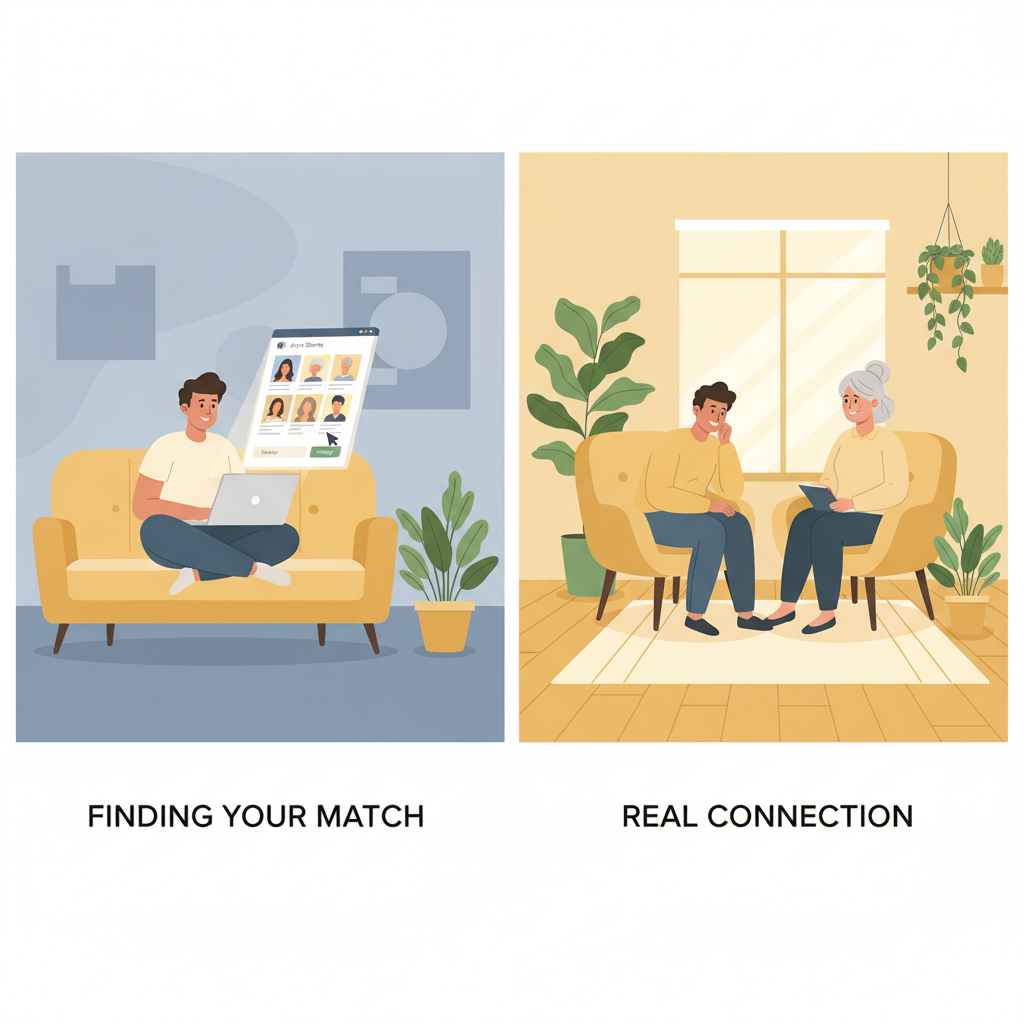
Finding the Right Therapist Isn't Like Online Dating (But Almost)
I spent months thinking any therapist would work—huge mistake. You need someone who actually gets sexual compulsions, not just someone who nods sympathetically while you explain masturbating twelve times a day.
Look for therapists who specifically mention sexual addiction or compulsive behaviors on their websites. I've found that many general therapists get uncomfortable fast or default to "just stop doing it" advice. The good ones will ask detailed questions without making you feel like a freak.
Pro tip: If they seem shocked during your intake call, keep looking.

When Your Brain Needs a Software Update: Medical Options That Actually Work
I used to think medication was giving up, but honestly? Sometimes your brain chemistry is just screwed up and needs help. SSRIs like sertraline can dial down that constant urge - took about six weeks before I noticed the difference. The key is finding a psychiatrist who actually gets it, not someone who gets weird about sexual issues.
Naltrexone is another option that worked for a friend of mine. It blocks those reward pathways that make the behavior feel so damn compelling. Don't expect miracles overnight, but when combined with therapy, it can give you enough breathing room to actually work on the psychological stuff.

Support Groups Saved My Sanity (And They're Not as Awkward as You Think)
I'll be honest - I avoided support groups for months because I pictured sitting in a circle sharing TMI with strangers. Turns out I was completely wrong.
Phase 1: Find Your Format Start with online groups like Sex Addicts Anonymous or SMART Recovery. I found the anonymity helped me open up first. Look for groups specifically addressing sexual compulsions, not general addiction meetings.
Phase 2: Test the Waters Attend as a listener initially. Nobody forces you to share. I spent three sessions just absorbing before saying anything.
Phase 3: Engage Gradually Share small wins first. The relief of talking to people who actually get it is incredible - no judgment, just understanding.
Common Questions Answered
Should I try therapy or medication for compulsive masturbation first?
I'd honestly start with therapy - from what I've seen, cognitive behavioral therapy or sex addiction counseling tends to address the root patterns better than jumping straight to meds. Medication might help with underlying anxiety or depression that's fueling it, but therapy gives you actual tools to break the cycle.
Is online therapy as effective as in-person treatment for this issue?
Online therapy can work really well if you're dealing with shame around discussing this face-to-face - I know plenty of people who made more progress initially because they felt safer behind a screen. That said, in-person gives you that human connection that can be crucial when you're working through compulsive behaviors, so I'd lean toward finding a local specialist if you can handle the awkwardness.
My Honest Take on Getting Help
Here's what I'd do if I were struggling with this - don't overthink which type of therapy to try first. Just pick one and start. The hardest part is making that initial call.
• Professional help works better than going it alone • CSAT therapists specialize in this exact issue • Online therapy makes it easier to take the first step • Support groups provide real peer connection
Sometimes the best treatment is simply admitting you need it.


