
Dopamine Detox Course Worth It: What You Actually Learn
Deloop is the #1 porn addiction recovery app. Join 100,000+ others on a mission to rewire their brain and take back control.


This might be unpopular, but I actually paid for one of those dopamine detox courses last year – you know, the ones that promise to rewire your brain and cure your phone addiction. I was skeptical as hell, honestly. But after three weeks of following their weird protocols (including some truly bizarre morning routines), I've got to admit something surprised me. Here's what these courses actually teach you, and whether dropping $200 was worth it.
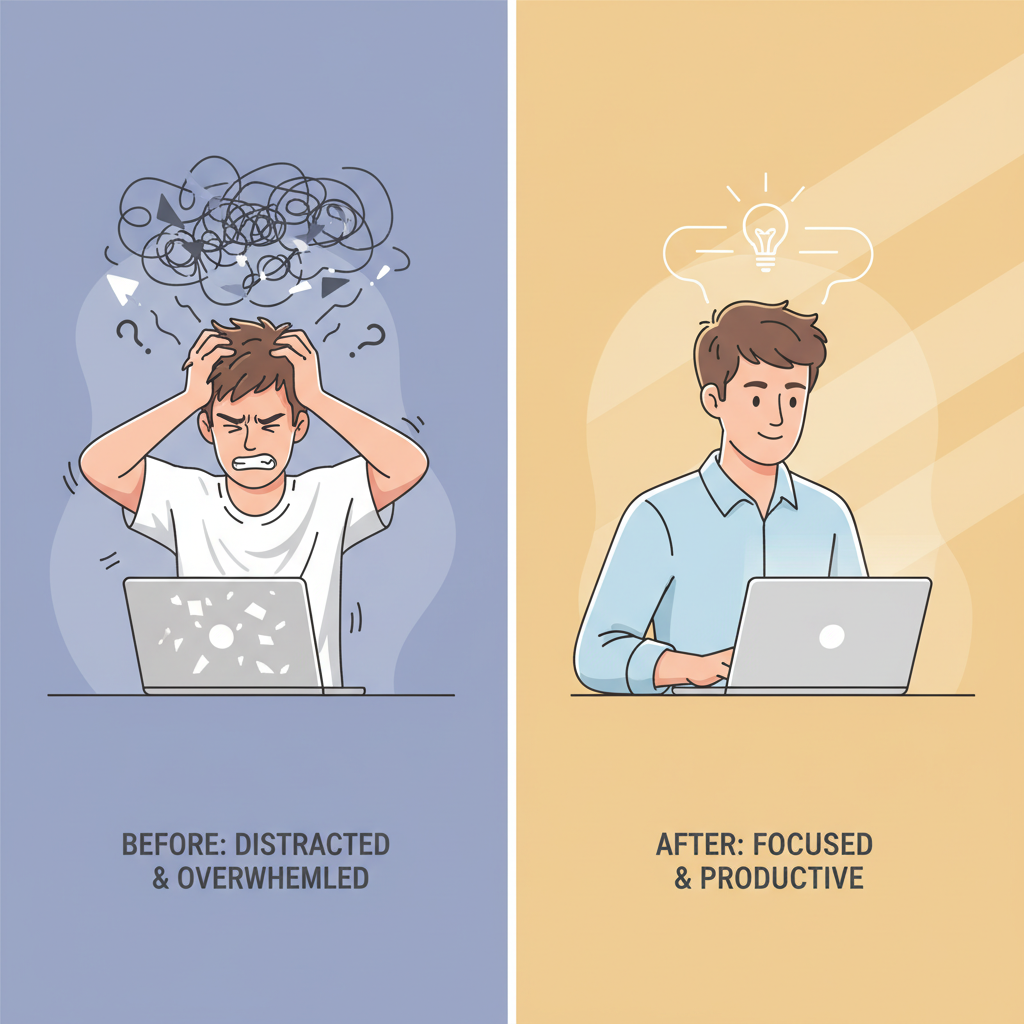
Why My First Week Was Pure Hell (And Why That's Actually Good)
I'm not gonna sugarcoat it - the first week made me want to throw my phone at the wall. My brain kept reaching for dopamine hits every thirty seconds. Scrolling Instagram became this phantom limb situation where I'd literally pick up my phone and stare at a blank screen.
Day three was the worst. I caught myself refreshing my email seventeen times in ten minutes, looking for literally anything to spike that reward center. The boredom felt physical, like restless leg syndrome but for my entire existence.
But here's the thing - that misery is actually your brain rewiring itself. The course warns you about this "dopamine withdrawal," and experiencing it firsthand made me realize how hijacked my attention really was.
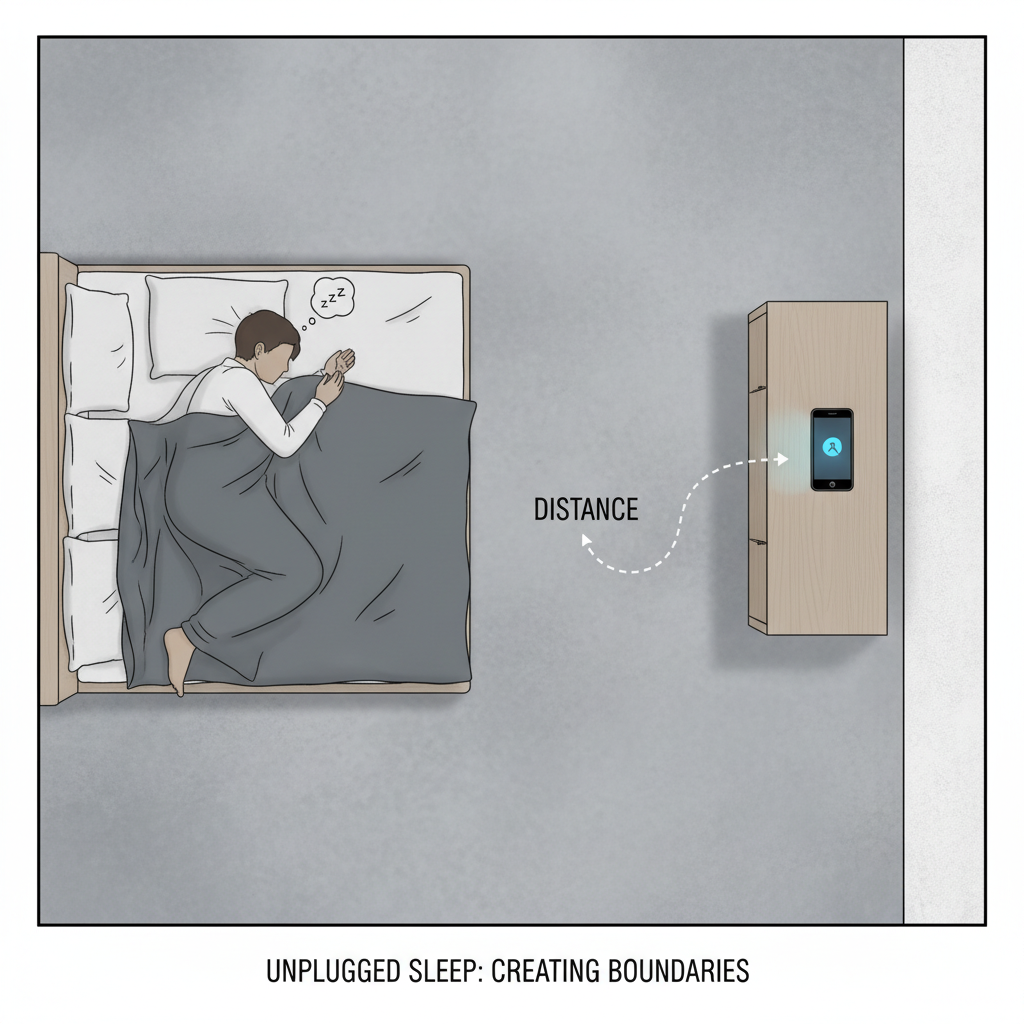
The Phone-in-Another-Room Trick Actually Changed Everything
I'll be honest - this felt ridiculously simple at first. But leaving my phone in the bedroom while working in the living room completely shifted how I think about digital boundaries.
Pros:
- I actually finished entire tasks without that phantom buzz anxiety
- Morning routine became way more intentional when I wasn't immediately scrolling
- Discovered I could sit with boredom instead of reflexively reaching for distraction
- Sleep improved dramatically without the bedside glow
Cons:
- Genuine anxiety about missing "important" calls (spoiler: there weren't any)
- Had to find an actual alarm clock like it's 2003
- Family got annoyed when I didn't respond to group chats instantly
The trick isn't just physical distance - it's creating friction. That 15-second walk to grab your phone gives your brain time to question whether you actually need it right now.
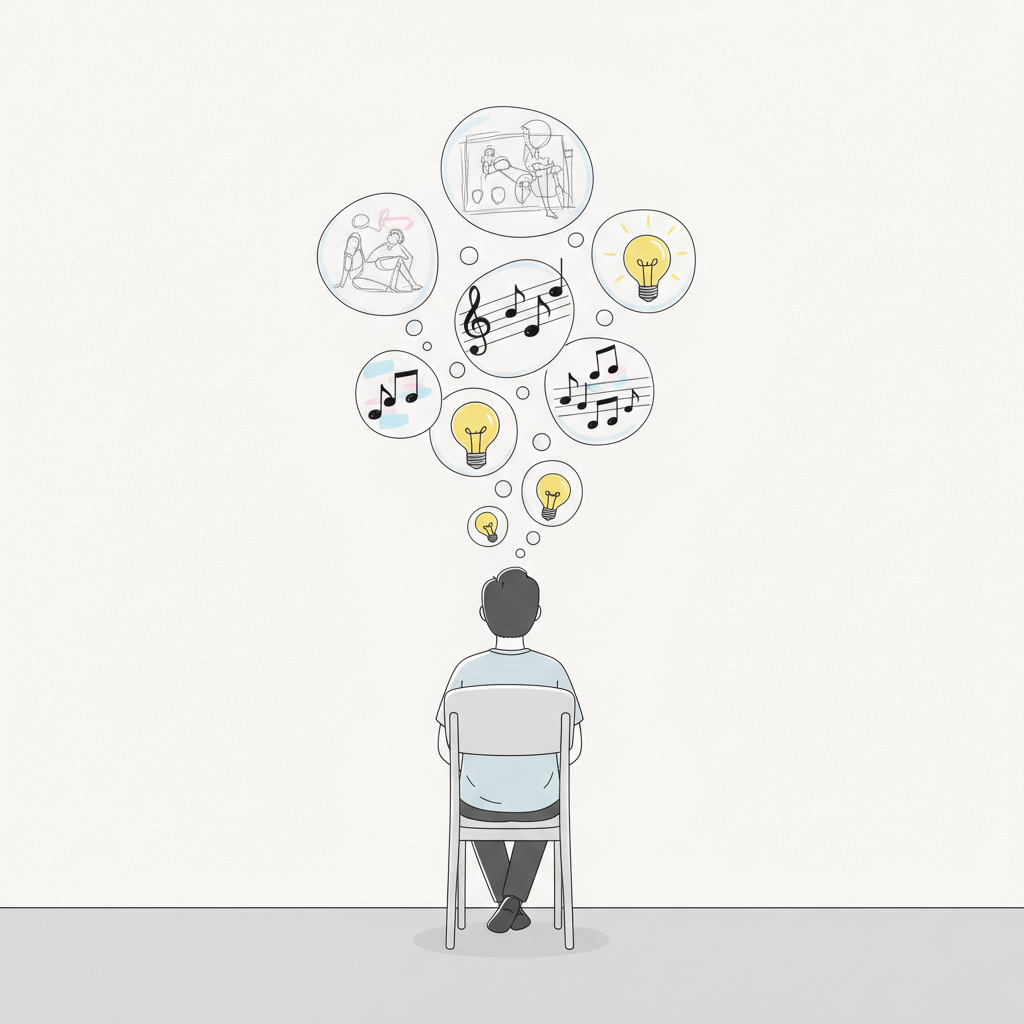
Boredom Became My Secret Weapon for Real Creativity
Phase 1: The Uncomfortable Silence I'd sit there after putting my phone away, feeling genuinely restless. My brain kept reaching for that dopamine hit. The first few days were honestly annoying - I kept checking the time, fidgeting, wondering what everyone was posting.
Phase 2: Ideas Started Bubbling Up Around day 5, something shifted. While waiting for coffee, instead of scrolling, I started noticing conversations around me. I overheard this woman explaining her side business to her friend, and it sparked three different article ideas I never would've caught while doom-scrolling.
Phase 3: Real Problem-Solving Mode By week two, boredom became productive. Standing in line at the grocery store, I'd actually think through work challenges instead of numbing out. I solved a client problem that had been bugging me for weeks, just because I gave my brain space to wander and connect dots.
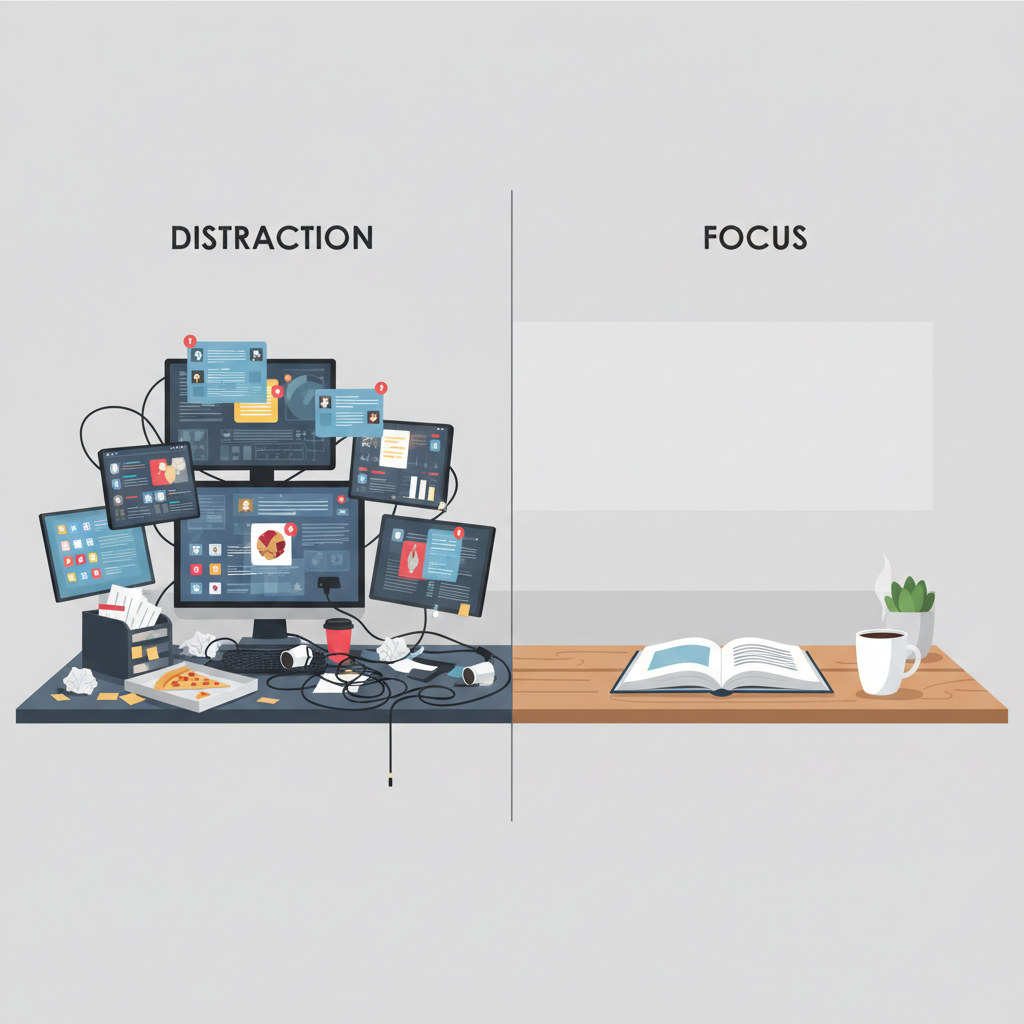
How I Rewired My Reward System Without Going Monk Mode
I learned the key isn't eliminating all pleasure—it's creating friction around the bad stuff and removing friction from the good stuff. Instead of deleting Instagram, I moved it to the third page of my phone and turned off notifications. Instead of banning Netflix, I logged out after each session so I'd have to consciously choose it.
What really worked was replacement stacking. When I felt the urge to scroll, I'd do five pushups first. Not because pushups are magical, but because that tiny delay let my prefrontal cortex catch up to my impulses. The course calls this "circuit breaking," and it's way more sustainable than going full hermit.
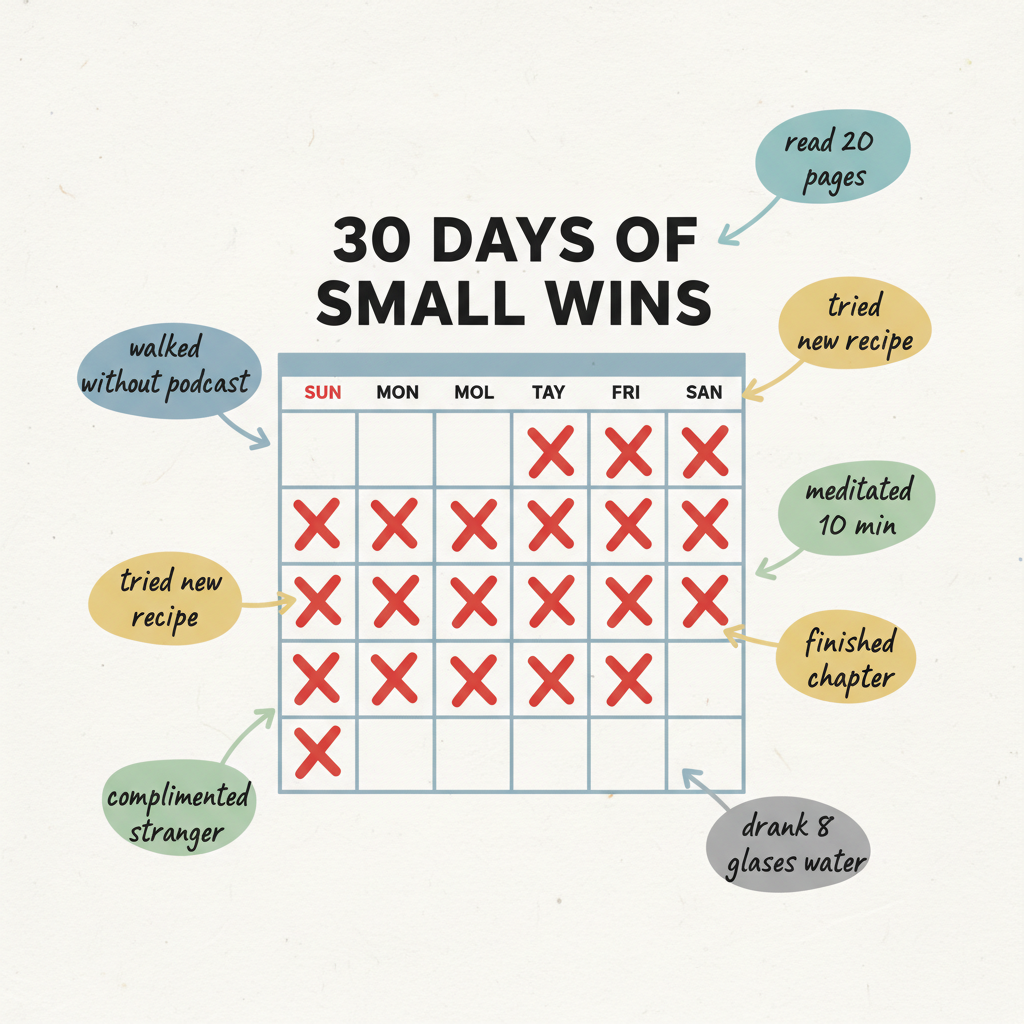
The Real Results After 30 Days (Spoiler: It's Not What You Expect)
Here's what actually happened: I didn't transform into some zen monk who meditates for hours. Instead, I got really good at catching myself mid-scroll and actually putting my phone down.
The biggest change? I stopped reaching for my phone every time I felt slightly bored or uncomfortable. Standing in line at the store used to trigger an automatic Instagram check. Now I just... stand there. Sounds boring, but it's weirdly liberating.
My attention span improved, but not dramatically. I can focus for maybe 45 minutes instead of 20. The real win was breaking the reflexive phone-grabbing habit that I didn't even realize controlled my entire day.
Frequently Asked Questions
Is dopamine detox worth it for someone who's never tried digital minimalism before?
From what I've seen, beginners actually get the most out of these courses because they're starting from zero and need that structured approach. I'd recommend it if you're constantly reaching for your phone and don't know where to start - the frameworks they teach are way more practical than just trying to wing it on your own.
Should I invest in a dopamine detox course if I'm running a small business and can't go offline?
Honestly, most of these courses are terrible for business owners because they push this all-or-nothing approach that doesn't work when you need to stay connected to customers. I'd skip the course and focus on setting specific boundaries instead - like no social media before 10am or turning off non-essential notifications during work hours.
My Honest Take After Going Through This
Look, I'd say skip the expensive courses and just start with a 24-hour phone break. See how that feels first. The real insights come from your own experiments, not someone else's framework.
What surprised you most about your own dopamine habits lately?


