
Masturbation Addiction Treatment That Works: Beyond Just Stopping
Deloop is the #1 porn addiction recovery app. Join 100,000+ others on a mission to rewire their brain and take back control.


I remember the first time someone told me they'd tried "just stopping" masturbation cold turkey. Three days in, they were climbing the walls, irritable as hell, and eventually gave up feeling worse about themselves than when they started. Sound familiar?
I've learned that treating compulsive masturbation like you'd treat quitting cigarettes—willpower and abstinence—misses the whole point. The real work isn't about stopping something; it's about understanding why you can't seem to control it in the first place.
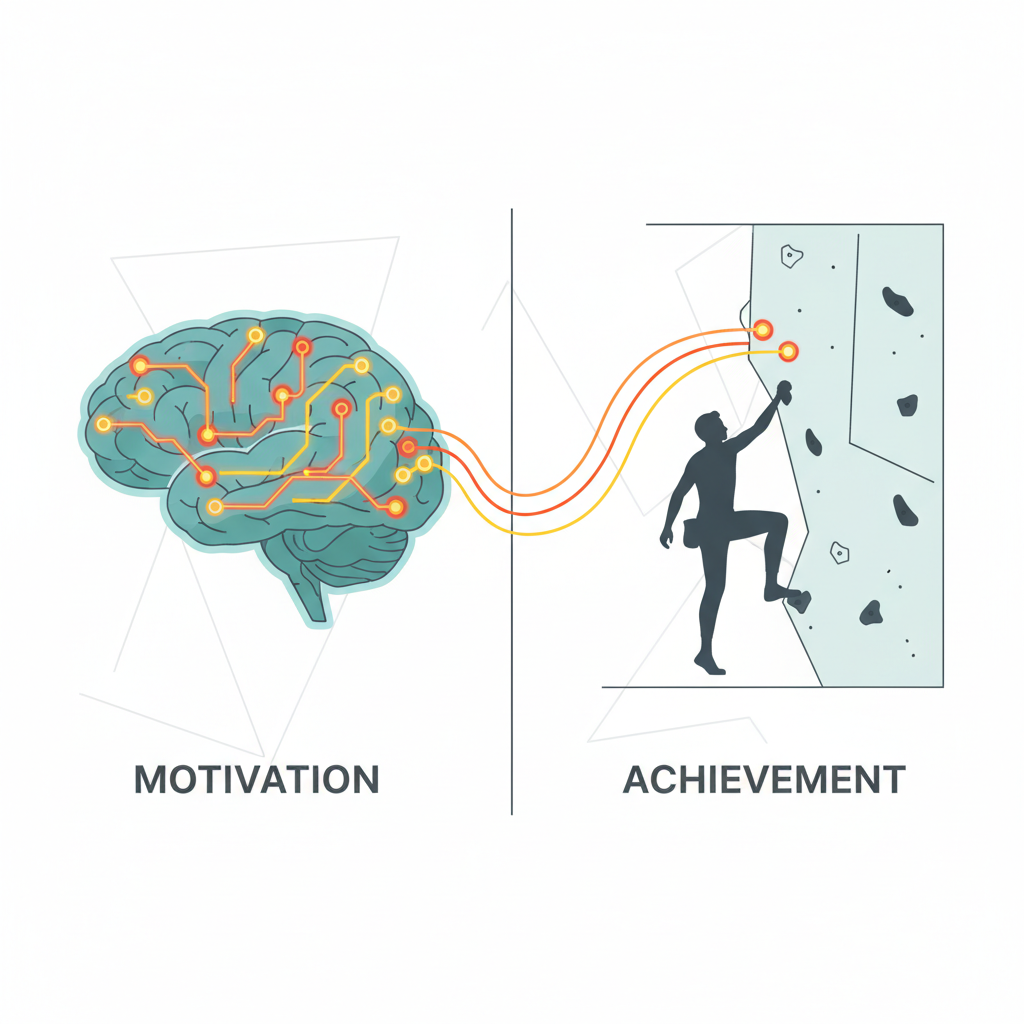
Rewiring Your Brain's Reward System Through Strategic Activity Replacement
Here's what I learned the hard way: your brain doesn't care about your willpower. It wants that dopamine hit, and if you just remove the source without replacing it, you're fighting a losing battle.
I've found the key is strategic replacement with activities that trigger similar reward pathways. Cold showers worked surprisingly well for me - that intense rush mimics the neurochemical response. High-intensity workouts, especially first thing in the morning, became my go-to replacement.
The timing matters more than most people realize. I mapped out my typical urge patterns and pre-loaded alternatives for those exact windows. When 3 PM hit and I felt that familiar pull, I'd already committed to a specific 15-minute activity that got my heart racing in a different way.
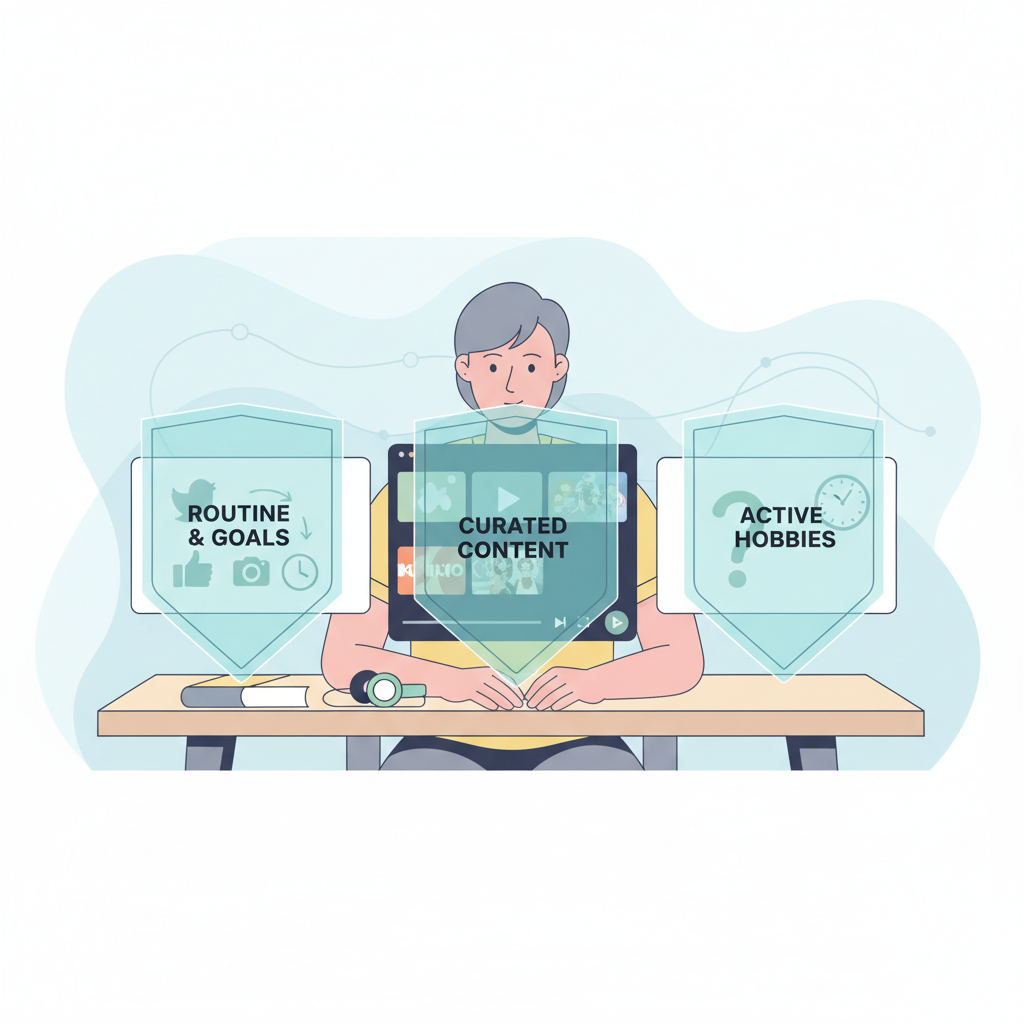
Building Your Personal Trigger Defense System in Real-World Scenarios
I learned this the hard way after my third relapse. I kept thinking willpower alone would save me when I got triggered, but that's like trying to resist ice cream while standing in front of an open freezer.
My breakthrough came when I mapped out my actual trigger patterns. Sunday evenings were brutal – that post-weekend depression mixed with tomorrow's work dread. My solution wasn't meditation or positive thinking. I started scheduling Sunday evening activities that got me out of my apartment. Rock climbing gym, visiting my sister, even grocery shopping worked.
The key is building physical barriers before the urge hits. I moved my laptop to the living room and gave my roommate the bedroom wifi password. When you're triggered, your rational brain goes offline. Your defense system needs to work automatically, not rely on perfect decision-making in the moment.
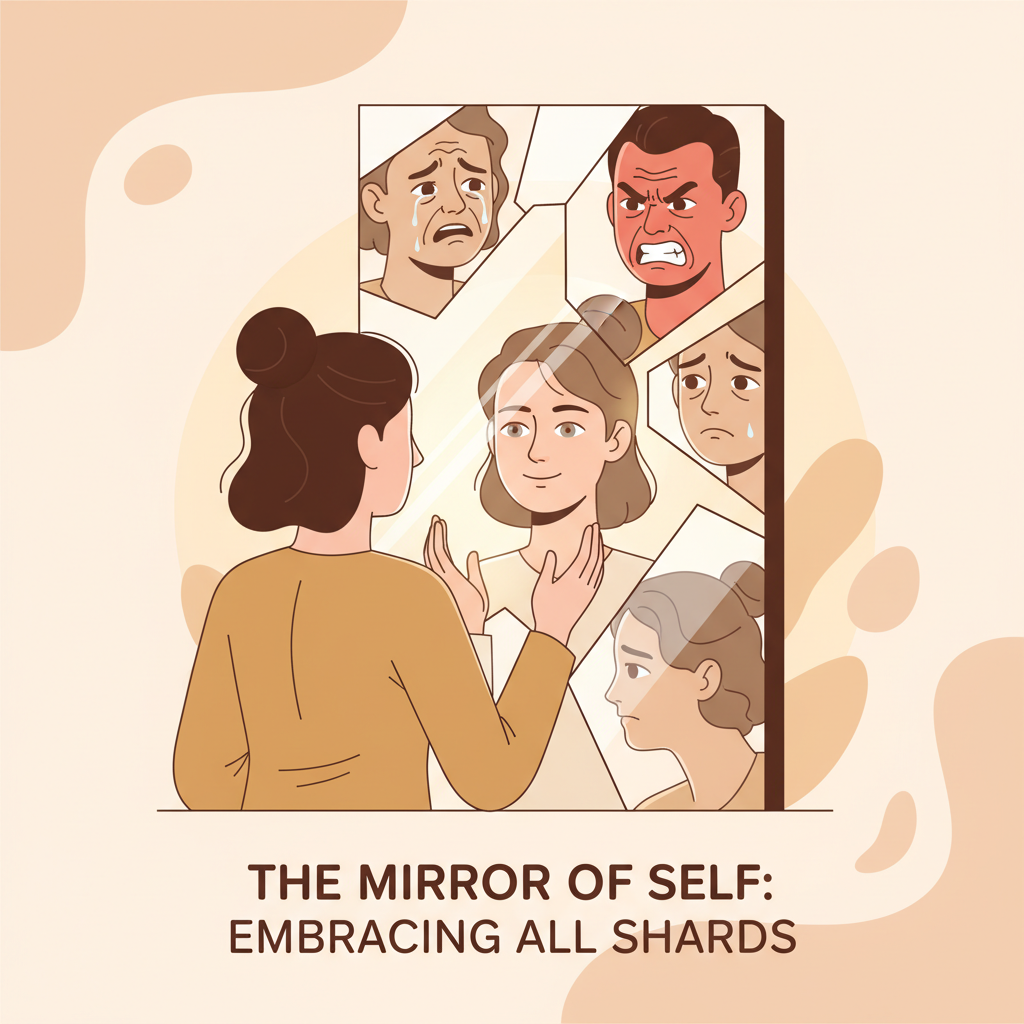
Turning Shame Into Your Recovery Fuel Through Radical Acceptance
I'm going to say something that might sound backwards: your shame isn't your enemy. It's information.
Most guys try to escape shame through more compulsive behavior or by pretending it doesn't exist. Both approaches keep you stuck. What I've found works is radical acceptance - looking directly at that shame and asking what it's trying to tell you.
When shame hits after a relapse, instead of spiraling into "I'm disgusting" or "I'll never change," I learned to say: "This shame exists because I violated my own values. That's actually good - it means my values are still intact."
The shame becomes rocket fuel when you stop running from it. It's your internal compass pointing toward what actually matters to you. Use it as directional energy, not self-punishment.
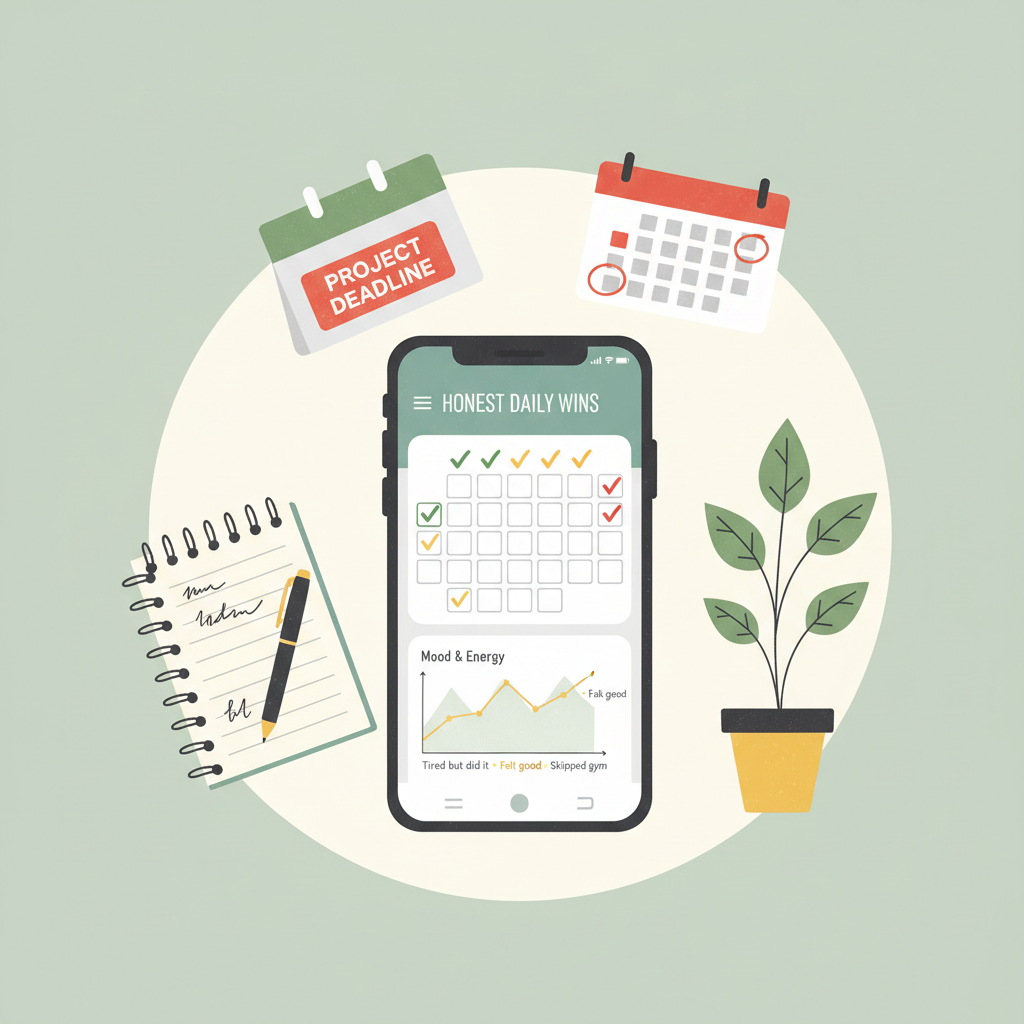
Creating Accountability That Actually Sticks When Nobody's Watching
Real accountability isn't telling someone "I slipped up again" after the fact. I've found it's about creating systems that catch you before you act on urges.
External accountability means having someone check in who actually cares about your progress - not just nodding along. This could be a therapist, trusted friend, or support group member who asks specific questions about your week.
Internal accountability is harder but more powerful. I track my emotional patterns, sleep quality, and stress levels because those predict my vulnerable moments. When I notice the pattern starting, I text my accountability person before I'm tempted, not after I've already relapsed.
The key is making it awkward not to follow through.

Rebuilding Intimacy and Connection After Compulsive Patterns
The situation: Marcus had been clean from compulsive masturbation for four months, but his relationship with his girlfriend felt distant and mechanical. They'd have sex, but he'd mentally check out halfway through, still stuck in old patterns of fantasy and performance anxiety.
What he did: Instead of just avoiding the behavior, Marcus started small intimacy exercises. Five minutes of eye contact during conversations. Asking his girlfriend about her day and actually listening. Taking showers together without any sexual agenda - just being present in his body around hers.
The breakthrough came when he told her about his struggle. Not the graphic details, just that he'd been dealing with compulsive sexual behavior and was working to be more present with her.
The results: Their connection deepened within weeks. Sex became about actually experiencing each other instead of performing or escaping. I've seen this pattern repeatedly - real intimacy starts with showing up as your actual self, not your fantasy version.
Common Questions Answered
Should I try going cold turkey vs gradual reduction for masturbation addiction?
From what I've seen, cold turkey usually leads to relapse within a few weeks because you're fighting years of wiring with pure willpower. I'd recommend gradual reduction combined with replacing the habit - like when you get the urge, immediately do 20 pushups or take a cold shower instead.
Is therapy better than online support groups for masturbation addiction recovery?
Therapy gives you personalized strategies and helps uncover underlying issues like anxiety or depression that fuel the behavior, while online groups mostly offer accountability and shared experiences. I'd say start with therapy if you can afford it - the one-on-one work addresses root causes that group support alone usually can't touch.
My Bottom Line on This
Here's what I'd do if I were starting today: find one person you can check in with weekly. Not a therapist necessarily, just someone who'll ask the hard questions without judgment. Progress happens faster when someone else is paying attention.


