
Porn Addiction Counseling Near Me: How to Find Local Therapists
Deloop is the #1 porn addiction recovery app. Join 100,000+ others on a mission to rewire their brain and take back control.


Here's the thing I've learned about finding porn addiction therapy: the hardest part isn't admitting you need help—it's figuring out which therapist actually gets it. I've watched friends waste months with well-meaning counselors who treated porn addiction like generic substance abuse, missing the unique shame and digital triggers involved. Finding someone who specializes in this stuff locally? That's where it gets tricky. Let me walk you through how to actually find the right therapist in your area.

Red Flags That Scream 'Run Away' During Your First Therapist Consultation
I've learned to trust my gut during first sessions. If they immediately push expensive "intensive programs" or seem shocked by porn addiction (it's 2024, come on), walk away. Run if they spend more time talking than listening, or if they make you feel judged or broken.
The biggest red flag? When they claim they can "cure" you in X sessions or guarantee specific timelines. Real recovery doesn't work that way. Also watch out for therapists who seem uncomfortable discussing sexual topics - you need someone who can handle these conversations without flinching or getting weird about it.
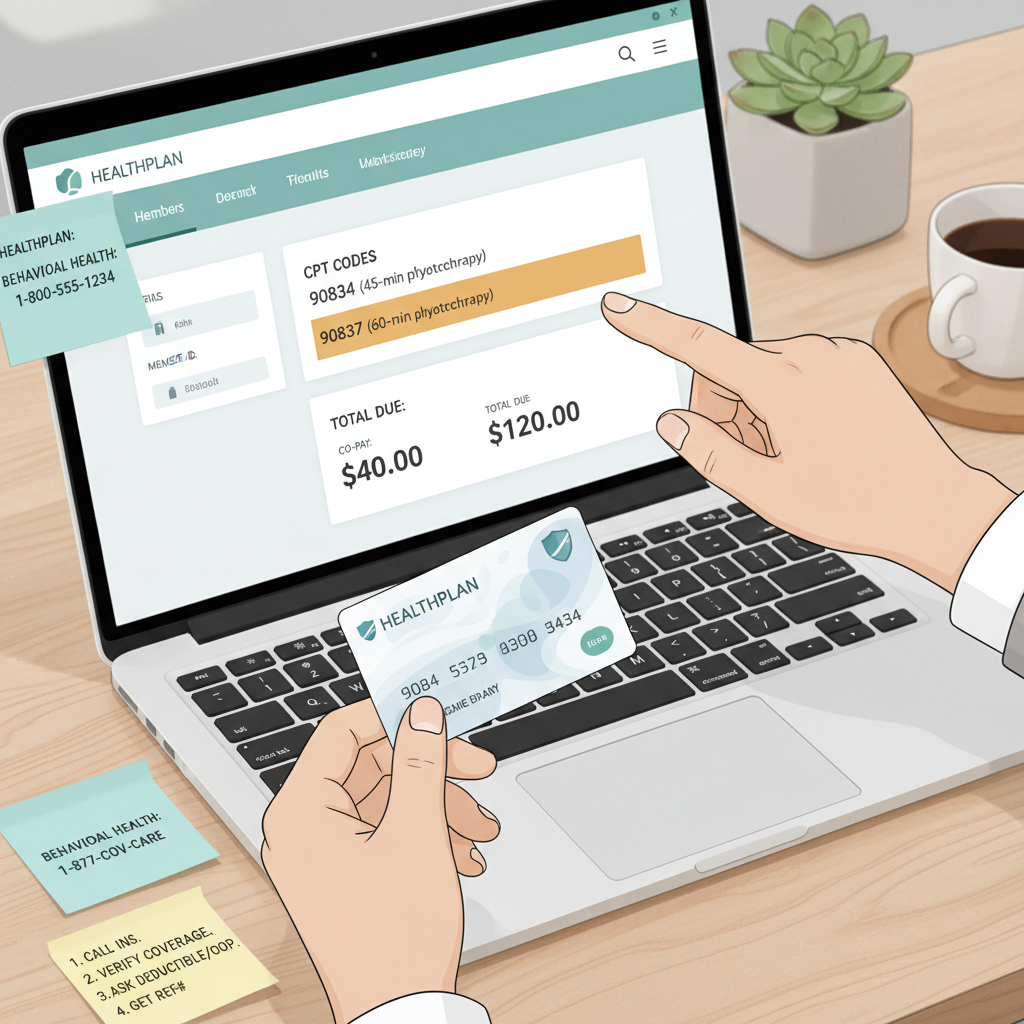
Insurance Codes and Billing Tricks That Actually Get Your Sessions Covered
I've learned the hard way that "porn addiction" isn't a billable diagnosis. Most therapists will code your sessions under F52.9 (Sexual Dysfunction, Unspecified) or Z73.0 (Burn-out) if there's work impact involved.
The trick is finding a therapist who knows how to frame your sessions properly. I had one therapist who coded everything under "anxiety disorder" because that's what insurance companies understand and pay for quickly.
Before your first appointment, call your insurance directly and ask about coverage for "behavioral therapy" or "substance abuse counseling." Don't mention porn specifically - just say you need help with "compulsive behaviors."
Also, check if your therapist offers sliding scale fees. I found someone charging $80 per session instead of the usual $150, which made going twice monthly actually affordable even without full insurance coverage.
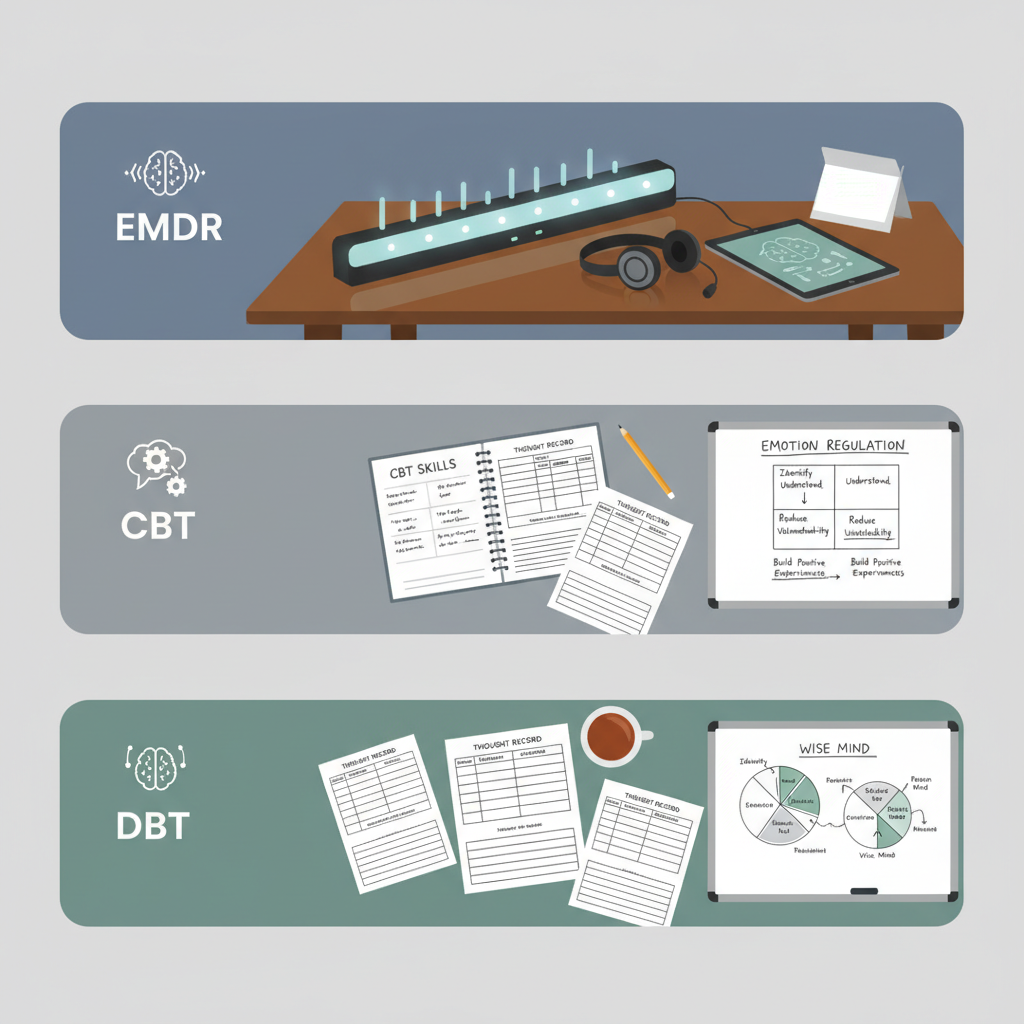
EMDR, CBT, or DBT: Matching Your Brain's Wiring to Treatment Methods That Actually Work
Understanding Your Response Patterns
I've learned that porn addiction hits different brains differently. If you're the type who gets triggered by specific images or situations, EMDR can be incredibly effective - it literally rewires how your brain responds to those triggers.
Matching Method to Mental Style
CBT works best if you're analytical and like understanding the "why" behind your behaviors. You'll track patterns, challenge thoughts, and build new habits systematically.
DBT is perfect for those intense emotional spirals. When shame hits hard and you can't regulate your feelings, DBT teaches you actual skills to ride out urges without acting.
Ask potential therapists which approach they use - many blend methods, but you want someone confident in their primary framework.
Frequently Asked Questions
Should I see a regular therapist or someone who specializes in porn addiction?
From what I've seen, you definitely want someone who specializes - regular therapists often don't really get the shame spiral and compulsive patterns that come with porn addiction. I'd recommend finding someone who specifically lists sex addiction or compulsive sexual behavior on their website, because they'll have the actual tools to help rather than just generic talk therapy.
Is online therapy better than in-person for porn addiction counseling?
Honestly, in-person feels more effective for this kind of work because there's something about sitting across from someone that makes it harder to minimize or hide behind screens. That said, if shame is keeping you from starting at all, online might be the way to go initially - I've found it's better to start with online therapy than to keep putting it off because you're too embarrassed to walk into an office.
My Honest Take
Here's what I'd do if I were in your shoes: start with that first phone call, even if your voice shakes a bit. The therapist who makes you feel heard in those first five minutes? That's your person. Trust that gut feeling.


