
Porn Addiction Group Therapy: What Happens in Sessions
Deloop is the #1 porn addiction recovery app. Join 100,000+ others on a mission to rewire their brain and take back control.


Here's what nobody tells you about porn addiction group therapy: the first thing that happens isn't talking about porn at all. I've sat in enough circles to know that most sessions actually start with someone sharing about their terrible commute or their kid's soccer game. That mundane chitchat isn't avoidance—it's how real healing begins. The heavy stuff comes later, after you remember these are just regular people dealing with something that's way more common than anyone wants to admit.

Real Talk: Nobody's Going to Judge Your Rock Bottom Story
I remember walking into my first group session convinced everyone would silently rank whose situation was "worse." Maybe the guy who lost his marriage would look down on me for "just" having relationship problems. Maybe I'd judge the college kid who seemed to have his life together otherwise.
Within ten minutes, that whole mental hierarchy crumbled. One member shared about watching porn during his lunch breaks at work. Another talked about lying to his therapist for months. I realized we were all there because we'd hit our own version of rock bottom – and honestly, the details didn't matter.
The guy I thought had it "easy" was struggling just as much as anyone else. What I learned is that shame doesn't have a ranking system, and neither does recovery. We were all just trying to get better.
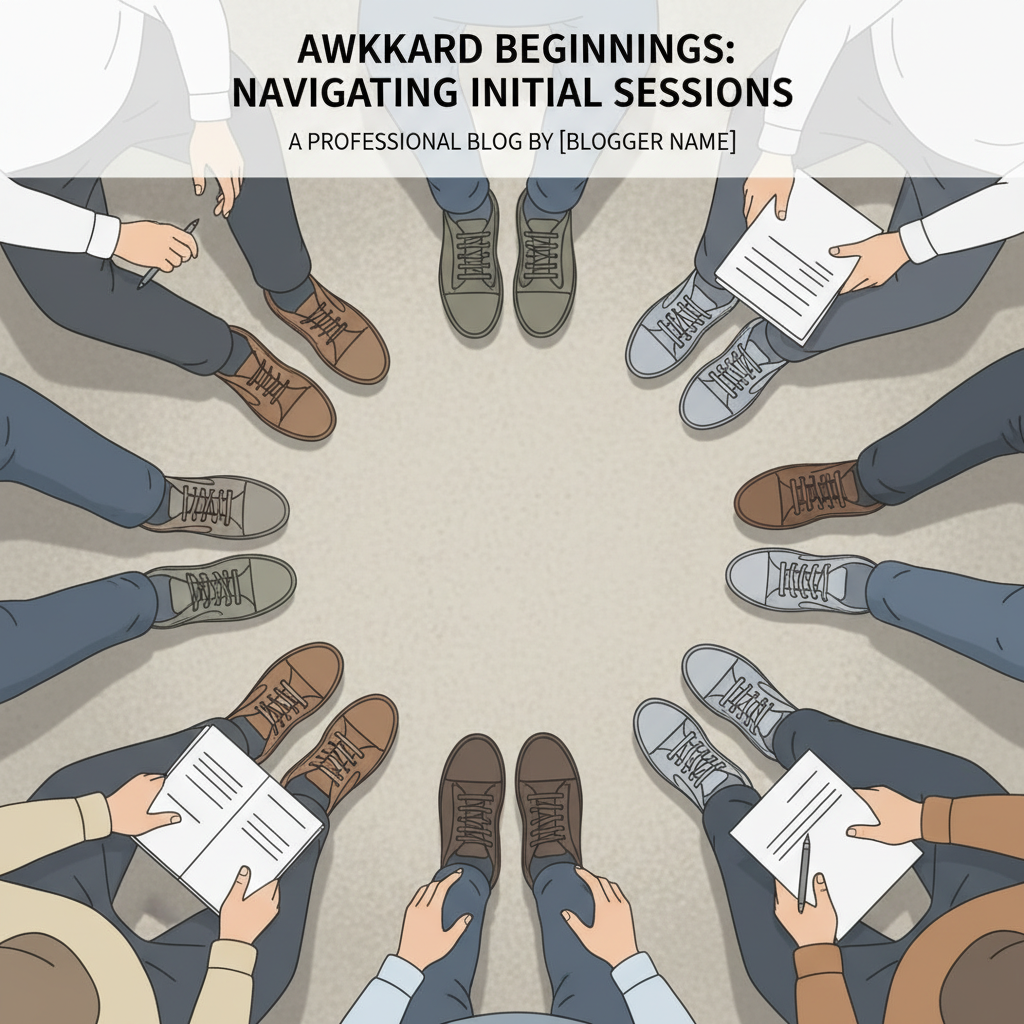
Why Everyone Stares at Their Shoes the First Few Times
I've watched dozens of newcomers shuffle into that circle, and the pattern's always the same. Eye contact feels impossible when you're convinced everyone can somehow see your search history written on your forehead. The shame runs so deep that even hearing someone else say "pornography" out loud makes you want to disappear.
What actually happens is way more mundane. Most people are too busy managing their own anxiety to judge yours. The guy fidgeting with his wedding ring isn't sizing you up—he's probably rehearsing what he'll say when it's his turn.
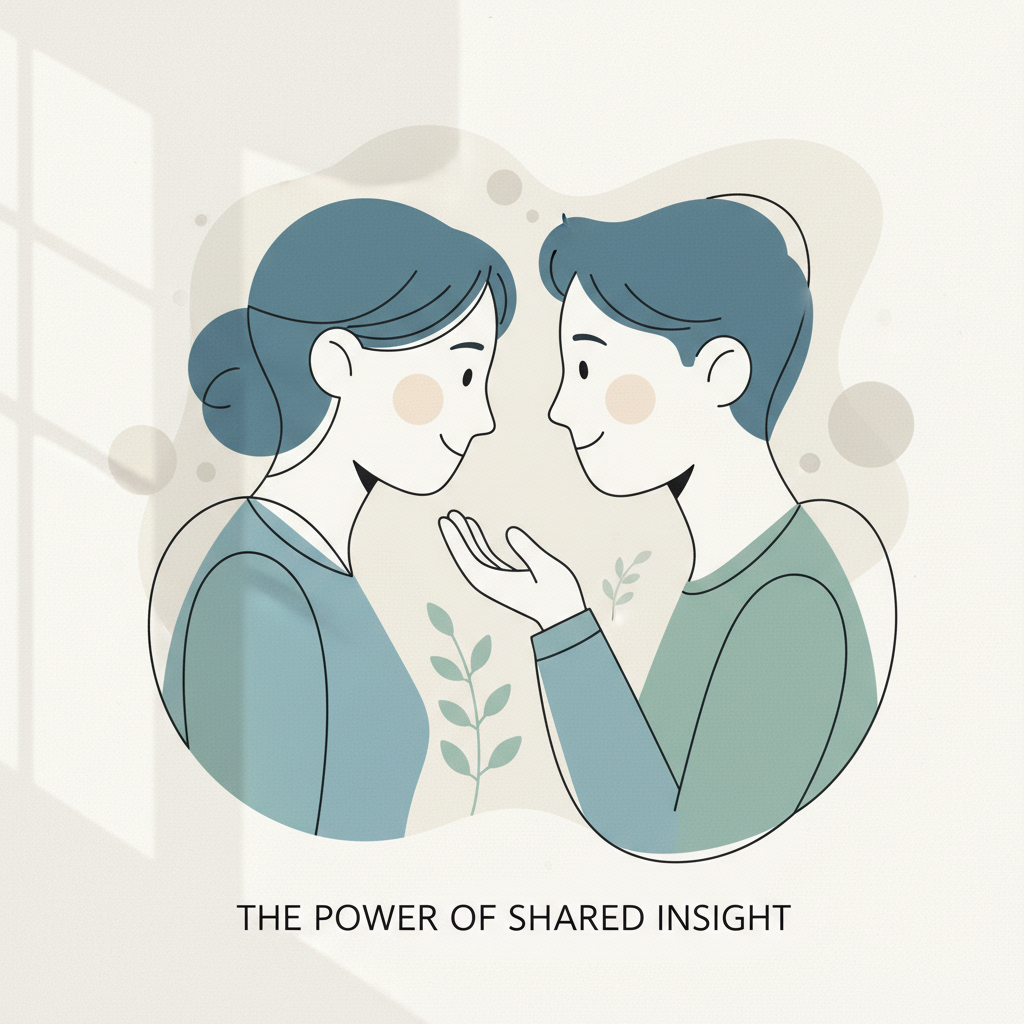
The Moment Someone Finally Says What You've Been Thinking
Pros:
- You realize you're not a broken weirdo - someone else gets exactly what you're going through
- That instant relief when they describe the shame spiral you thought only you experienced
- Finally hearing your thoughts said out loud makes them feel less scary and overwhelming
- Creates immediate connection and trust with at least one person in the room
Cons:
- Can be emotionally overwhelming when you weren't expecting to feel so understood
- Might make you overshare too quickly before you're ready
- Sometimes creates false intimacy with people you barely know
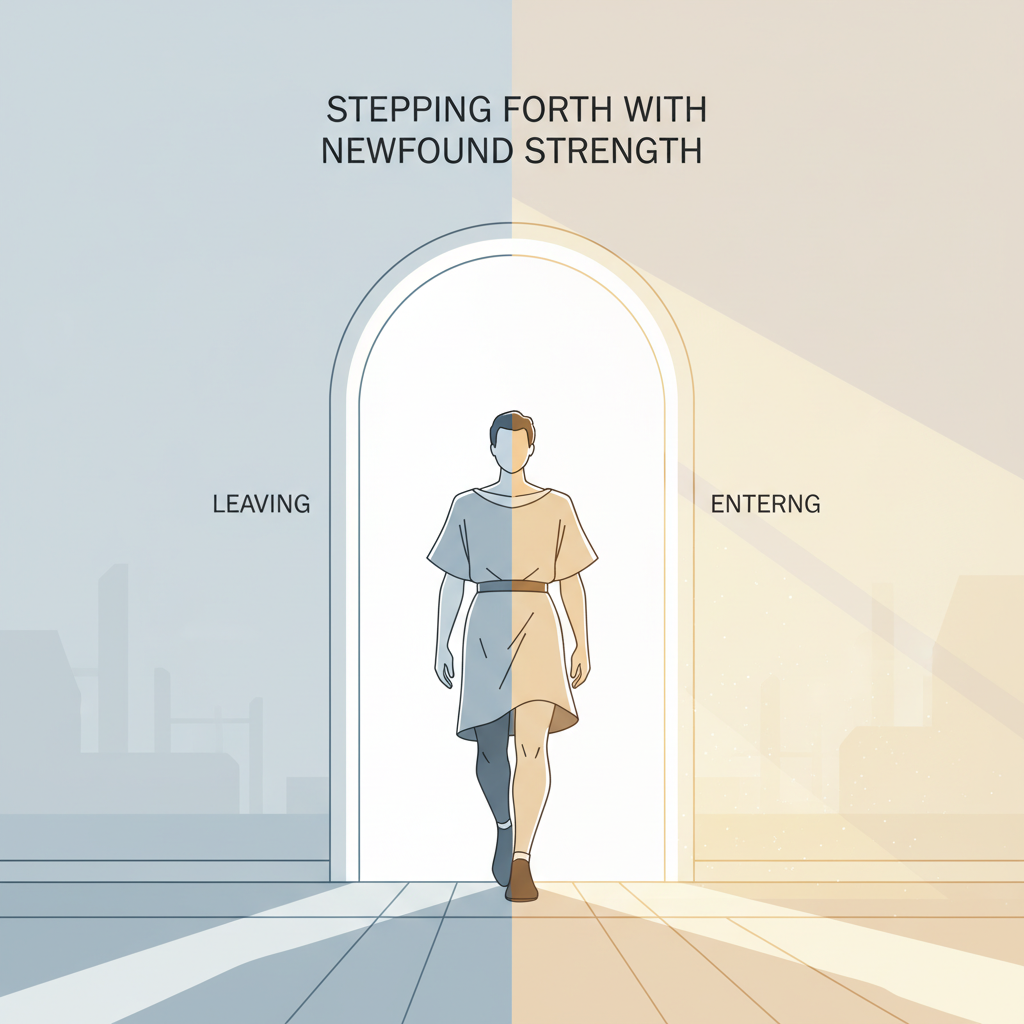
Walking Out After Week Eight Feels Different (Here's Why)
Your Brain Actually Changes I used to think eight weeks was arbitrary timing, but there's something real happening around week eight. The constant mental chatter about porn starts quieting down. You're not white-knuckling through every trigger anymore—your brain genuinely processes things differently.
The Group Becomes Your Anchor By week eight, these guys aren't strangers sharing awkward confessions. They're the people who get your specific brand of struggle. I've watched grown men tear up saying goodbye to their Tuesday night group.
Real Problems Surface Here's what nobody warns you about: when porn stops being your escape, everything else hits harder. Work stress, relationship issues, loneliness—it all feels more intense because you can't numb out anymore.
You Trust Your Own Progress For the first time, you believe recovery might actually stick.
Quick Answers
What if I'm too embarrassed to share in porn addiction group therapy?
From what I've seen, literally everyone feels this way at first - the facilitator usually starts with easier topics and lets you just listen for weeks if needed. I'd recommend finding a group where you can attend a few sessions without pressure to share, because once you hear other people's stories, you realize your stuff isn't nearly as unique or shameful as you thought.
What happens if someone in my porn addiction therapy group recognizes me or breaks confidentiality?
Most decent groups make everyone sign confidentiality agreements upfront, but honestly, the bigger issue I've found is that people are way too focused on their own problems to gossip about yours. If you're really worried about running into someone, I'd look for groups in a different area of town or ask about online options - the therapeutic benefit is the same, and you'll actually focus on the work instead of scanning faces.
Your Next Move
Here's what I'd do if I were you: call three therapists this week and ask about their group programs. Don't overthink it or wait for the "perfect" moment. The hardest part isn't the work itself—it's picking up the phone and making that first call.


