
Porn Addiction Help: 15 Resources Every Recovery Beginner Needs
Deloop is the #1 porn addiction recovery app. Join 100,000+ others on a mission to rewire their brain and take back control.


I've watched too many people stumble around online for months, clicking through generic "quit porn" articles that all say the same thing. The real problem isn't finding advice—it's finding the right resources that actually match where you're at right now. When you're just starting recovery, you don't need another lecture about willpower. You need practical tools that work when your brain is screaming at 2 AM.
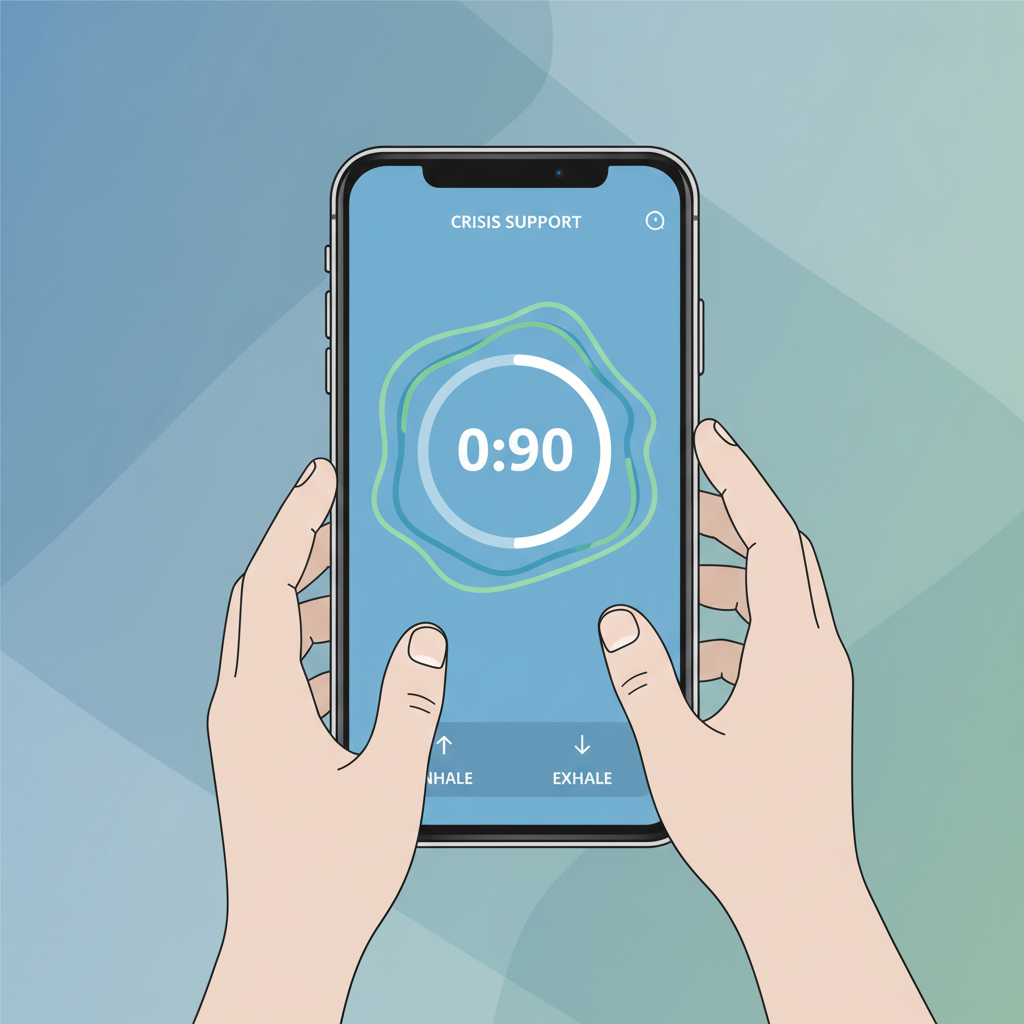
Emergency Toolkit: What to Do When Urges Hit Hard
When that familiar urge hits at 11 PM and you're home alone, having a plan matters more than willpower. I've learned to keep specific things ready: a cold water bottle in the fridge (seriously, splash your face), my running shoes by the door, and a friend's number I can actually text.
The key is interrupting the autopilot. I do 20 pushups immediately - sounds dumb, but it works. Or I call my mom. Doesn't matter what we talk about.
Your toolkit needs to be physical and immediate. Apps help some people, but I need something that gets me moving or talking to another human within 60 seconds.
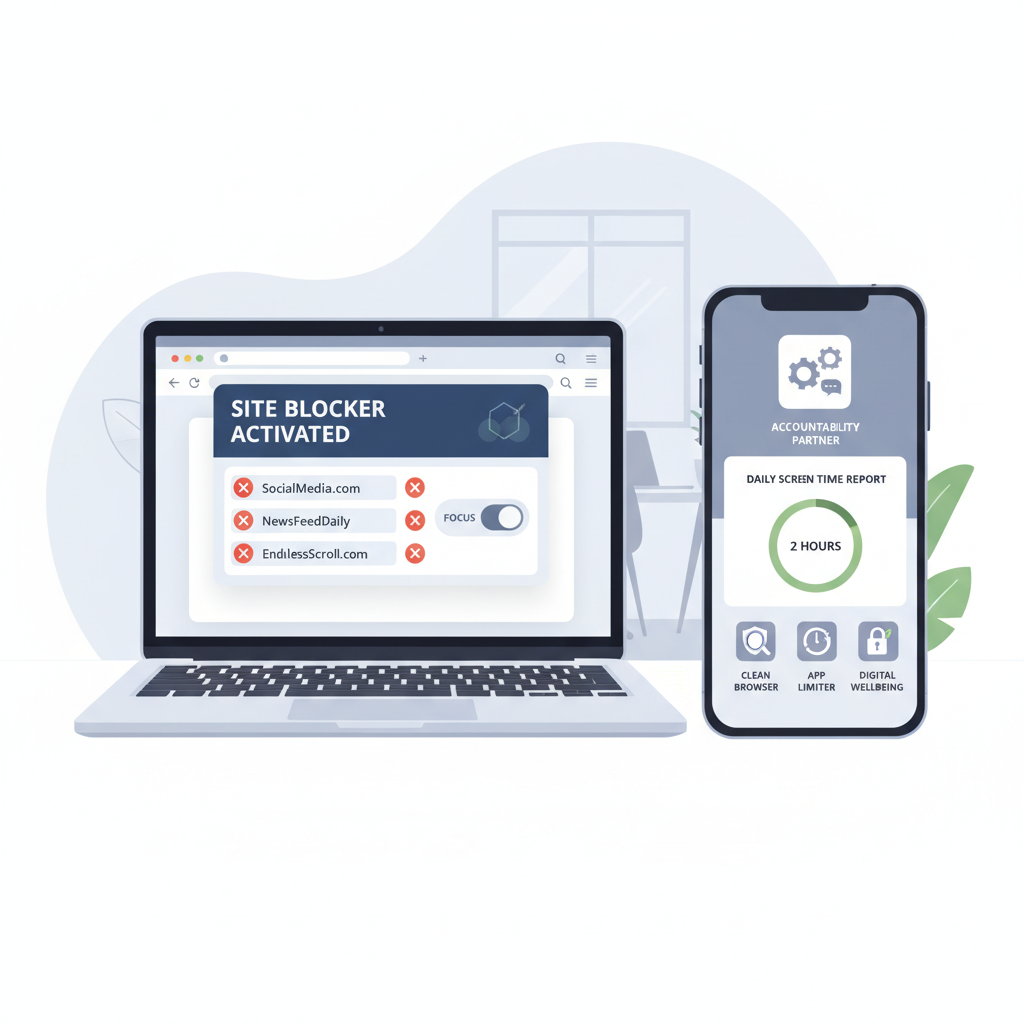
Digital Detox Arsenal: Apps and Blockers That Actually Work
I'll be honest - most blocking apps are garbage. They're either too easy to bypass or so restrictive they make your phone unusable. But a few actually work.
Cold Turkey Blocker has been my go-to for desktop. You can set it to nuclear mode where even restarting your computer won't break the block. For phones, I've found Qustodio works better than the popular ones because it's harder to uninstall when you're desperate.
The key is using multiple layers. I run a DNS filter at the router level, plus device-specific blockers. When one fails (and they will), the others catch you. Don't rely on willpower alone - that's a losing game.
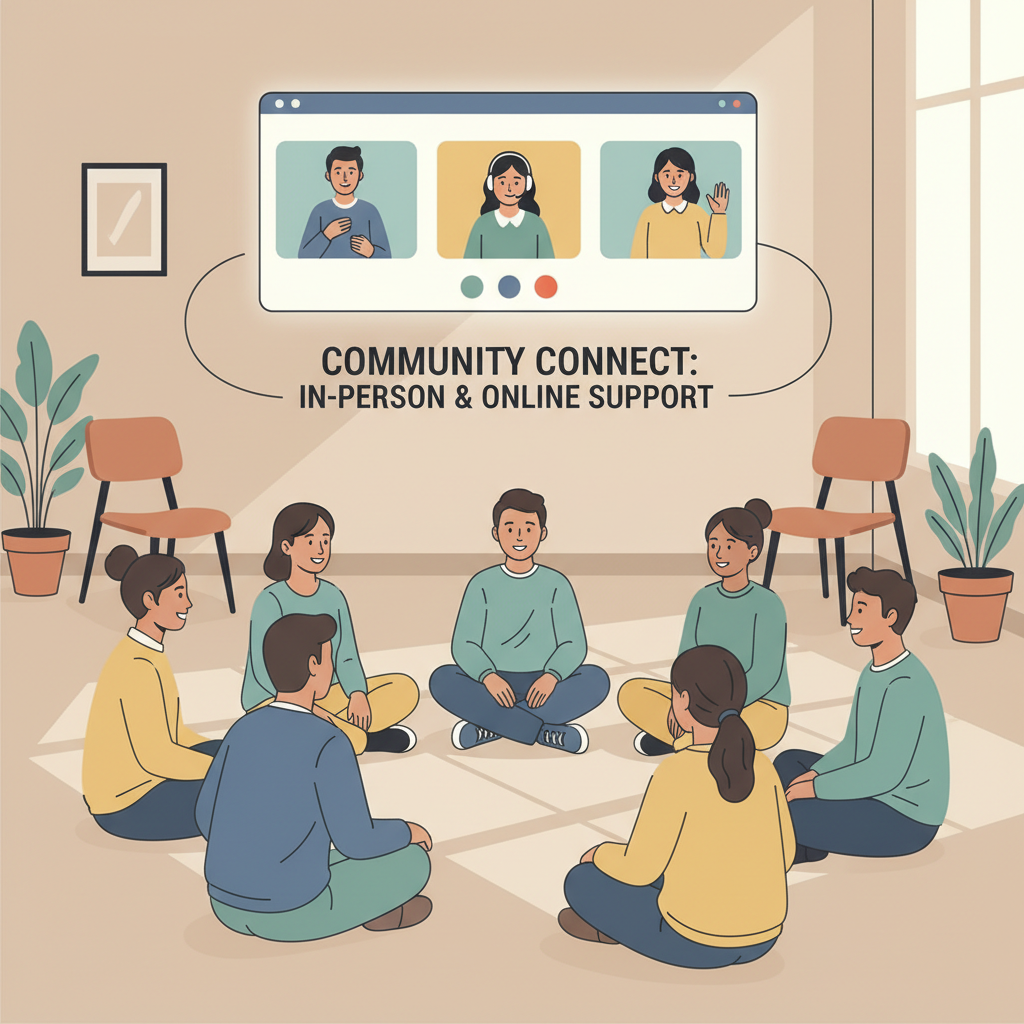
Finding Your Recovery Tribe: Support Groups and Communities
I'll be honest - trying to quit alone was my biggest mistake. The shame kept me isolated, which made everything worse.
What changed everything was finding people who actually got it. Not therapists reading from textbooks, but guys who'd been in the same dark places I had been.
Start with SAA (Sex Addicts Anonymous) if there's a meeting near you. If not, NoFap's online forums are surprisingly supportive once you get past the surface-level posts. I found the daily check-in threads most helpful.
The trick isn't finding perfect people - it's finding honest ones. Look for groups where people admit their struggles instead of just celebrating streaks.
Professional Help Navigation: Therapists, Programs, and What to Expect
I've learned the hard way that not all therapists understand porn addiction. Some still treat it like regular substance abuse, which misses the mark completely.
Look for therapists certified in CSAT (Certified Sex Addiction Therapist) or those specifically trained in problematic sexual behavior. I wasted three months with a general therapist who kept asking about my childhood when I needed practical strategies for managing triggers.
Intensive outpatient programs work well if you can't do residential treatment. Expect group sessions, individual therapy, and homework assignments. The group component was actually more helpful than I anticipated - hearing other guys' stories made me feel less broken.
Budget around $150-200 per session for specialized therapists. Insurance coverage is hit-or-miss, so call ahead. Some programs offer sliding scale fees if money's tight.
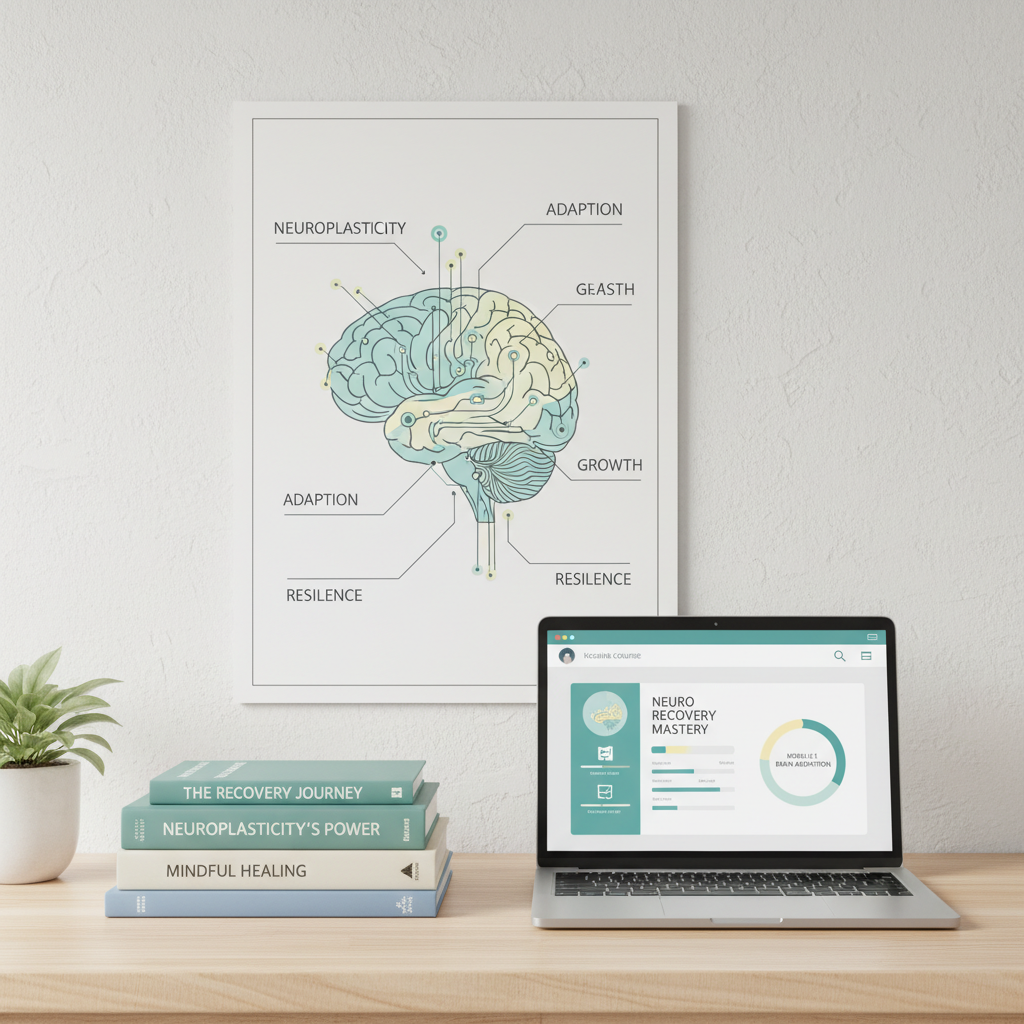
Rewiring Your Brain: Books, Courses, and Science-Based Recovery Methods
I'll be honest - the brain science stuff really clicked for me. Understanding how dopamine pathways work made everything feel less like a moral failing and more like a technical problem to solve.
"Your Brain on Porn" by Gary Wilson was my starting point. It explains the neuroplasticity angle without getting too academic. For courses, I found the free resources at NoFap's website surprisingly thorough, though some folks prefer paid programs like Porn Free Recovery.
What helped most was learning about the concept of "rebooting" - basically giving your brain time to reset those reward circuits. Takes patience, but knowing there's actual science behind recovery kept me motivated when willpower alone wasn't cutting it.
Frequently Asked Questions
How do I know if I actually need porn addiction help or if I'm just being dramatic about it?
From what I've seen, if you're asking this question, you probably already know the answer - most people don't worry about being "dramatic" unless something feels genuinely wrong. I'd say if porn is interfering with your relationships, work, or you find yourself unable to stop despite wanting to, that's when it's worth getting help regardless of what label you put on it.
What's the first thing I should actually DO after admitting I have a problem with porn?
Honestly, I'd start by downloading a basic blocking app on your devices and telling at least one person you trust about what you're going through - the combination of removing easy access and breaking the secrecy usually gives you enough breathing room to figure out your next steps. Don't overthink it with elaborate recovery plans right away; just create some friction and get out of isolation first.
The Real Talk You Need to Hear
Here's my honest take: you don't need all 15 resources at once. Pick one that actually speaks to you and commit for a full month. Recovery isn't about collecting tools—it's about using them consistently, even when motivation fades.


