
Porn Addiction Relapse Help: 5 Steps to Get Back on Track Fast
Deloop is the #1 porn addiction recovery app. Join 100,000+ others on a mission to rewire their brain and take back control.


Here's something I've noticed that nobody talks about: the moment right after a porn relapse isn't actually the worst part. It's the three days that follow, when shame turns into this weird paralysis and you can't figure out how to start over again.
I've been there—staring at my phone, knowing I need to reset my counter or reach out for help, but feeling completely stuck. That limbo phase is where most people stay trapped, not in the relapse itself.
The First 48 Hours: Emergency Damage Control Protocol
Person A: "I relapsed last night and I'm spiraling. What do I do right now?"
Person B: "First thing - get out of wherever you are. I mean physically leave the room, the house, whatever. Go for a walk, hit the gym, call someone. The urge to binge is strongest in the first few hours."
Person A: "But I feel like such a failure. Like all my progress is gone."
Person B: "That's the shame talking, and shame keeps you stuck. I've been there - one slip turned into week-long binges because I thought I'd already ruined everything. Truth is, you're only actually failing if you don't get back up. Delete your browser history, install blockers again, and focus on the next 24 hours, not the last 90 days."
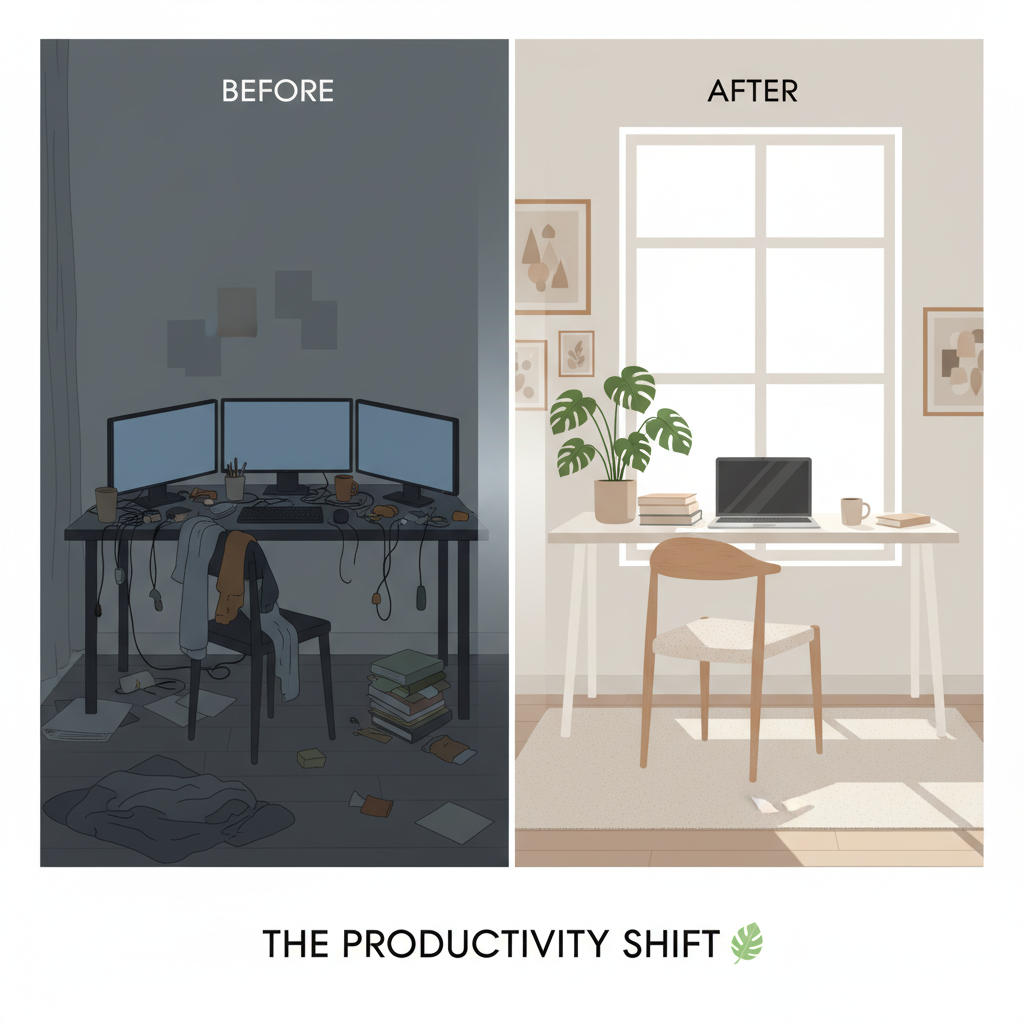
Rewiring Your Environment: Remove Triggers Before They Remove You
I learned this the hard way: your environment will beat your willpower every time. That laptop you keep next to your bed? Move it. Those apps you swear you'll use "responsibly"? Delete them now, not tomorrow.
I used to think I could just resist Instagram and TikTok, but late-night scrolling always led somewhere darker. Now my phone goes in a drawer at 9 PM, period. My bedroom became a phone-free zone.
The shower was another trigger zone for me - I installed a bluetooth speaker and blast podcasts instead. Sounds weird, but it works.
Your triggers know your weak moments better than you do. Remove them completely, don't negotiate.
The 3-2-1 Accountability Reset: Who to Call and What to Say
Most guys make the mistake of hiding their relapse for days or weeks, letting shame spiral into another binge. Don't be that person.
Here's what actually works: Call 3 people within 24 hours, tell 2 specific things you learned, commit to 1 immediate action.
I've found texting doesn't cut it - you need to hear another human voice. My accountability partner knows to ask "What triggered it?" not "Are you okay?" The second question lets you off the hook.
What to say: "I relapsed yesterday around 3pm. I was stressed about work and alone in my apartment. I'm deleting Instagram tonight and going to the gym tomorrow morning."
Simple. Honest. Forward-moving.
Biological Recovery Mode: Sleep, Exercise, and Dopamine Detox Essentials
Your brain chemistry is completely scrambled right now. I learned this the hard way - you can't willpower your way out of dopamine chaos.
On one end, there's the "just tough it out" approach that fails miserably. On the other end, there's treating your biology like it actually matters.
What worked for me: rigid 10 PM bedtime for two weeks minimum. Your sleep schedule is probably destroyed, and exhaustion makes every urge feel impossible to resist.
Exercise isn't optional - I'm talking about actual sweating, not a casual walk. Twenty minutes of something that gets your heart pounding rewires the reward pathways faster than anything else.
The dopamine detox part? Cut social media, video games, anything giving you cheap hits while your brain heals.
The 7-Day Momentum Builder: Small Wins That Stack Into Recovery
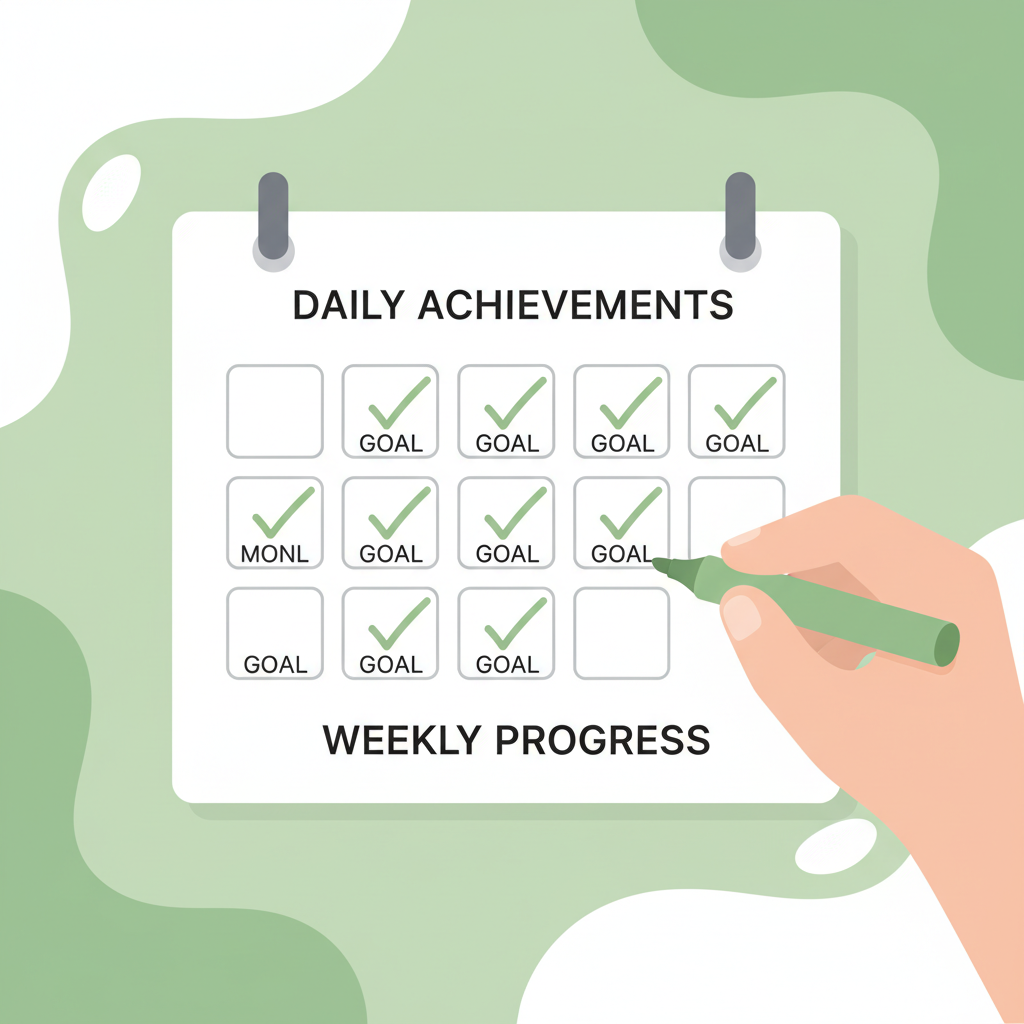
Option A: After a relapse, I've learned that diving into massive changes usually backfires. Instead, I focus on tiny wins that actually stick. Day 1: Delete apps and clear browser history - takes 5 minutes but feels decisive. Day 2: Take one cold shower. Day 3: Do 10 pushups when urges hit. Day 4: Go to bed 30 minutes earlier. Each small action builds genuine momentum without the pressure of perfection. By day 7, you've got real habits forming instead of broken promises. The key is making each task so simple you'd feel ridiculous not doing it.
Option B: What saved me from relapse spirals was building momentum with wins I couldn't screw up. Start stupidly small: Day 1, make your bed. Day 2, drink one extra glass of water. Day 3, walk around the block once. These aren't life-changing individually, but they create a winning streak in your head. When urges hit on day 4, you're not starting from zero - you're someone who's been succeeding daily. I stack one tiny habit each day until I've got genuine forward motion. The brain needs proof you can follow through before trusting you with bigger commitments.
What People Ask
Does the "5 steps to get back on track" approach actually work after a relapse?
From what I've seen with myself and talking to others, it definitely helps more than just wallowing in shame or pretending nothing happened. The key is actually following through on the steps instead of just reading about them - I've found that having a concrete plan makes the difference between bouncing back in a few days versus spiraling for weeks.
Is it worth trying to get back on track quickly, or should I just accept that I'll be stuck in this cycle for a while?
I'd absolutely recommend pushing to get back on track fast because momentum works both ways - the longer you stay in relapse mode, the harder it gets to climb out. I learned the hard way that "taking a break" from recovery usually just means extending the misery, so treating relapses as temporary setbacks rather than permanent failures has been game-changing for me.
Here's My Honest Take
Relapses suck, but they don't erase your progress. I've seen guys bounce back stronger after using these steps consistently. If you're serious about recovery, you might want to check out some accountability strategies next - having someone in your corner changes everything when willpower isn't enough.


