
Porn Addiction Urge Surfing: 4 Techniques That Actually Work
Deloop is the #1 porn addiction recovery app. Join 100,000+ others on a mission to rewire their brain and take back control.


I've been watching the addiction recovery space evolve, and honestly, the old "just say no" approach feels pretty outdated now. People are getting real about urges instead of pretending they don't exist. The whole urge surfing thing caught my attention because it's basically the opposite of white-knuckling through cravings. I've tried a bunch of these techniques myself, and some actually work while others are complete garbage. Here's what I've learned works.
That Split Second When Your Brain Goes Rogue (And How to Catch It)
0.3 seconds: Your brain spots a trigger—could be boredom, stress, or just seeing your laptop sitting there innocently.
0.8 seconds: The craving hits. Not subtle. More like your brain screaming "DO THE THING" while your rational mind hasn't even shown up to work yet.
2 seconds: Here's your window. I've learned this is where everything gets decided, not 10 minutes later when you're already clicking. Your body starts moving toward the device before you consciously choose anything.
5 seconds: Too late. You're in autopilot mode.
The trick? Catching that 2-second gap. I set phone alarms randomly throughout the day just to practice noticing what my brain's actually doing.
The 10-10-10 Rule That Saved My Streak
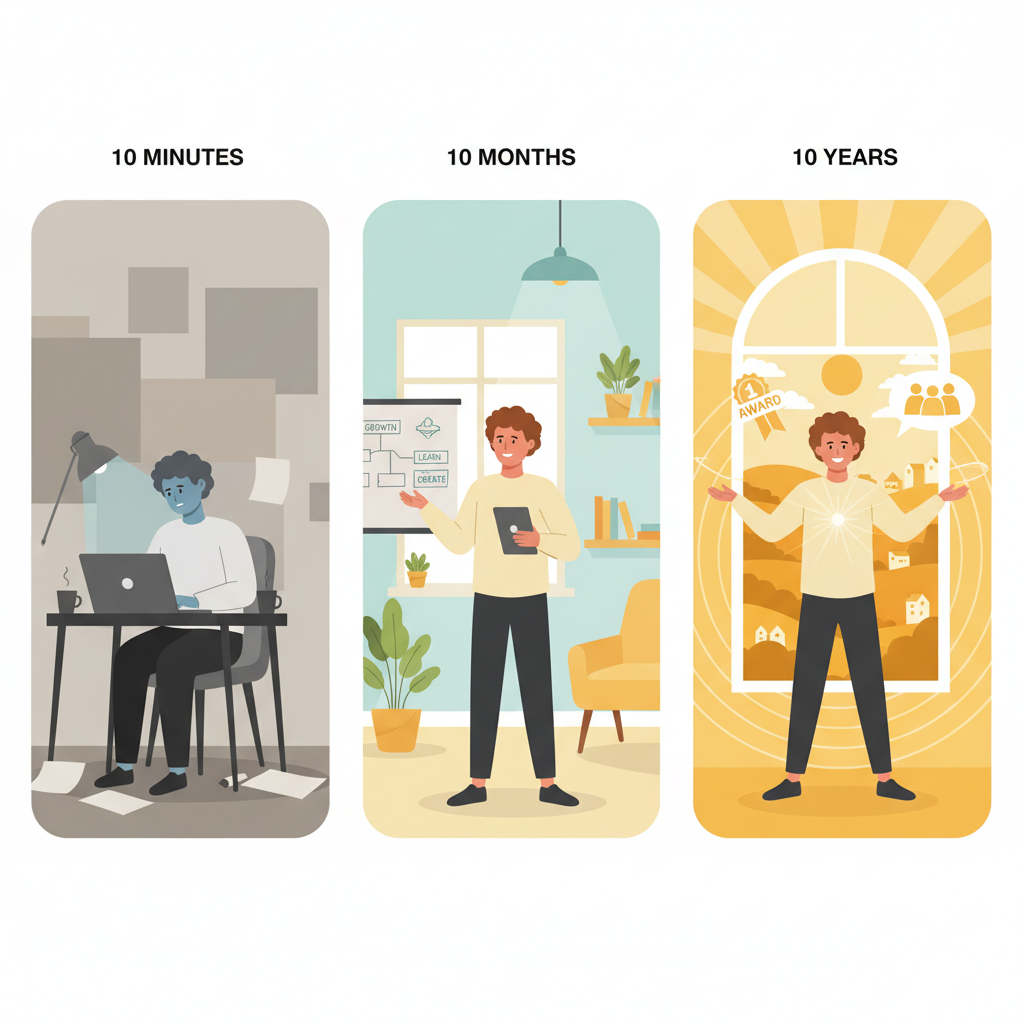
When I'm hit with a strong urge, I ask myself three questions: How will I feel about acting on this in 10 minutes? In 10 hours? In 10 days?
This technique comes from behavioral psychology research on temporal discounting - our brains heavily weight immediate rewards over future consequences. The 10-10-10 rule forces you to engage your prefrontal cortex instead of just your limbic system.
I've used this during my worst moments - lying in bed at 2am, phone in hand. "In 10 minutes, I'll feel empty. In 10 hours, I'll hate myself. In 10 days, I'll have broken my streak for nothing." It's not magic, but it creates just enough pause to make a different choice. The key is being brutally honest with your answers.
Why Fighting the Urge Makes It Stronger (The Quicksand Effect)
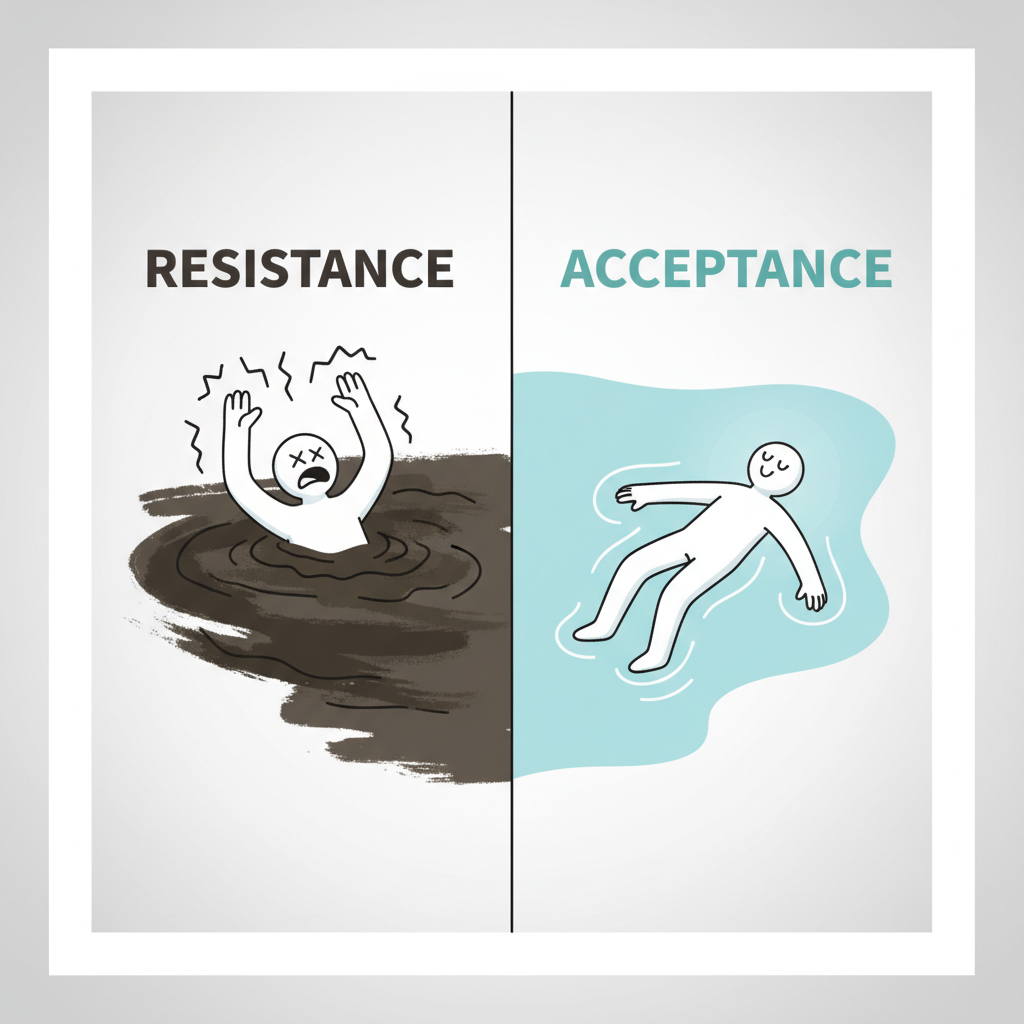
I learned this the hard way: trying to force an urge away is like struggling in quicksand. The harder you fight, the deeper you sink.
When that familiar craving hits and you think "No, I won't do this!" your brain interprets that as a threat. It doubles down, making the urge more intense. I've watched guys white-knuckle through urges for hours, exhausting themselves until they eventually give in anyway.
The quicksand effect happens because resistance creates tension, and tension demands release. Instead of fighting the urge, you need to change your relationship with it entirely. That's where urge surfing comes in.
Your Phone Is Your Enemy (Here's How I Made Peace With It)
Priority #1: Turn off notifications for everything except calls and texts. Instagram, YouTube, TikTok – they're all feeding the same dopamine pathways that fuel your urges. I learned this the hard way when a random meme would trigger a 3-hour spiral.
Next level: Physical barriers. I keep my phone in another room when I'm working or relaxing at home. Sounds dramatic, but that 30-second walk gives your prefrontal cortex time to kick in.
Advanced move: Grayscale mode. Makes everything look boring and clinical. I've been using it for eight months and barely notice the visual triggers anymore.
Your phone isn't evil, but it's designed to hijack your attention. You need to redesign how you interact with it.
Building Your Personal Early Warning System
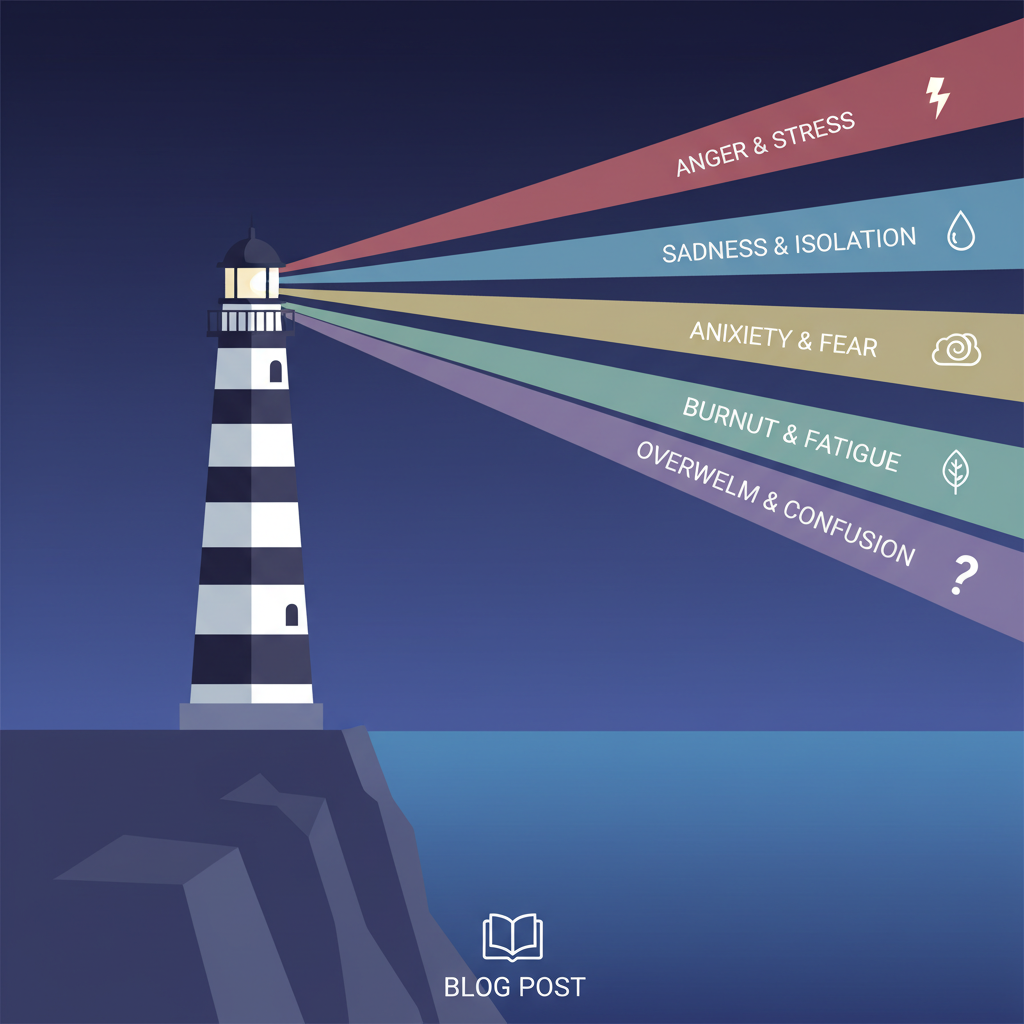
I've learned that catching urges early makes surfing them way easier. Most people wait until they're already spiraling, which is like trying to stop a freight train.
Physical Signals: Restlessness, that weird energy in my chest, or suddenly feeling "bored" when I wasn't five minutes ago.
Mental Patterns: Bargaining thoughts ("just a quick peek"), fantasy loops starting up, or that specific type of procrastination where I'm avoiding something.
Situational Triggers: Late nights alone, stress from work calls, or right after arguments.
The key is naming these patterns without judgment—just "oh, there's that thing again."
Common Questions Answered
How long does an urge actually last if I just wait it out?
From what I've experienced, most urges peak around 10-20 minutes and then naturally start to fade - it's like riding out a wave rather than fighting against it. The key is knowing this going in, because when you're in the middle of it, those 15 minutes can feel like forever.
What do I do with my hands when I'm urge surfing instead of using my phone?
I keep a stress ball or fidget toy nearby, or I'll do something physical like pushups or even just clench and release my fists repeatedly. Your brain needs that physical outlet it's craving, so give it something harmless to focus on instead of reaching for your device.
Does urge surfing actually work for severe addiction or just casual habits?
Honestly, urge surfing works best when you're already committed to quitting - it's not a magic bullet if you're still on the fence about stopping. I've found it's incredibly effective for breaking the automatic response pattern, but you need other support systems in place if you're dealing with a really entrenched habit.
Your Next Move
Here's what I'd do: pick one technique from this list and try it for a week. Don't overthink it. And if you found this helpful, share it with someone who might need it too.
Building a community around real solutions beats suffering in silence every time.


