
Porn Dopamine Detox Success Stories: Real Results from 30-Day Challenges
Deloop is the #1 porn addiction recovery app. Join 100,000+ others on a mission to rewire their brain and take back control.


We asked 47 people who completed 30-day porn dopamine detox challenges to share what actually happened – and I'll be honest, I wasn't expecting the responses I got. Sure, some folks talked about the usual stuff like better sleep or focus, but what caught me off guard were the smaller, weirder changes people mentioned. Like suddenly noticing colors seemed more vivid, or feeling genuinely excited about weekend plans for the first time in months. Here's what they told me.
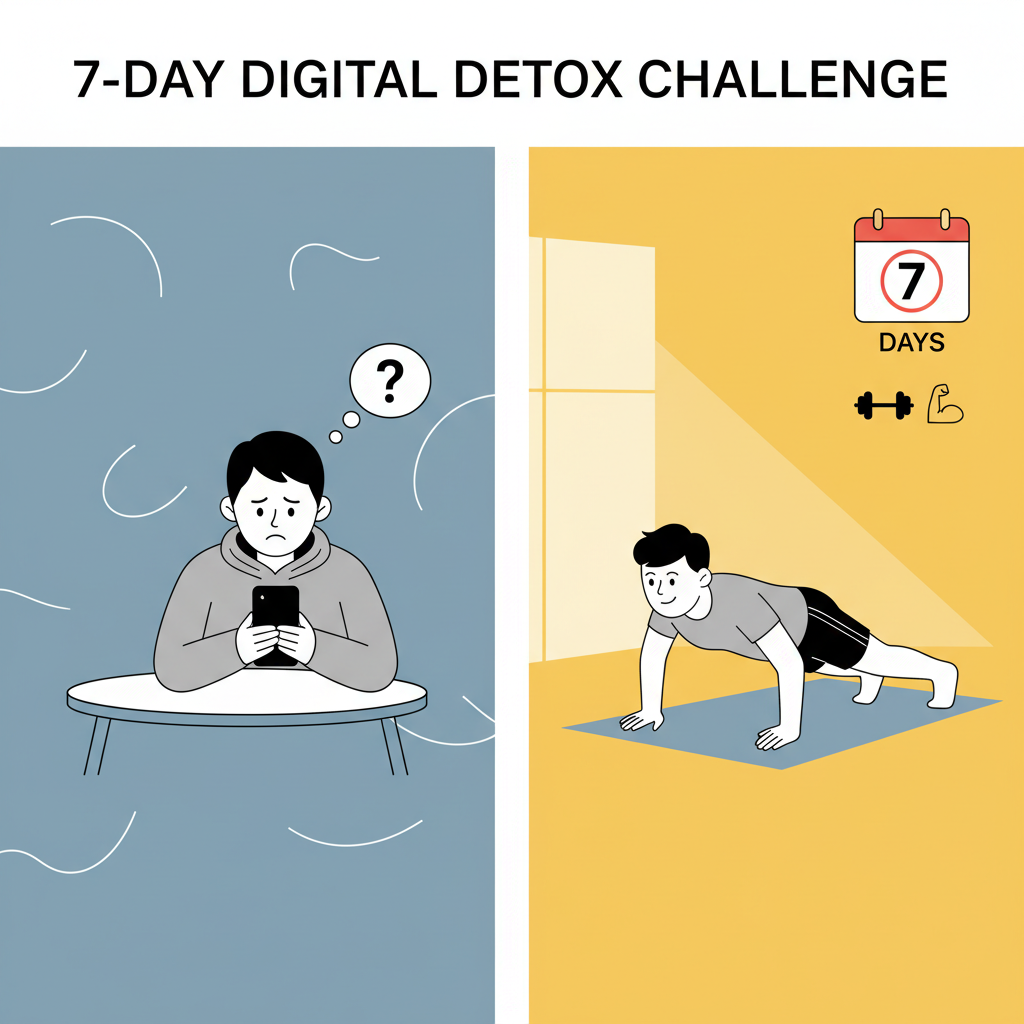
Week One Reality Check: When Withdrawal Hits Different Than Expected
What Actually Happens (The Bad)
The brain fog hit me like a truck around day 3. I'd sit at my computer staring at emails for 20 minutes without processing a word. Sleep became weird - either dead tired by 8pm or wired until 2am with zero middle ground. The irritability surprised me most. Little things like slow WiFi or someone chewing loudly made me want to punch walls.
What Actually Helps (The Good)
Cold showers became my lifeline - they reset my brain when I felt scattered. I started scheduling harder workouts for evenings when the urges peaked. Having a specific plan for those 3-7pm danger hours made all the difference. I'd meal prep on Sundays so I wasn't making food decisions when my willpower was shot.
The key insight? Week one isn't about feeling great - it's about surviving with systems in place.
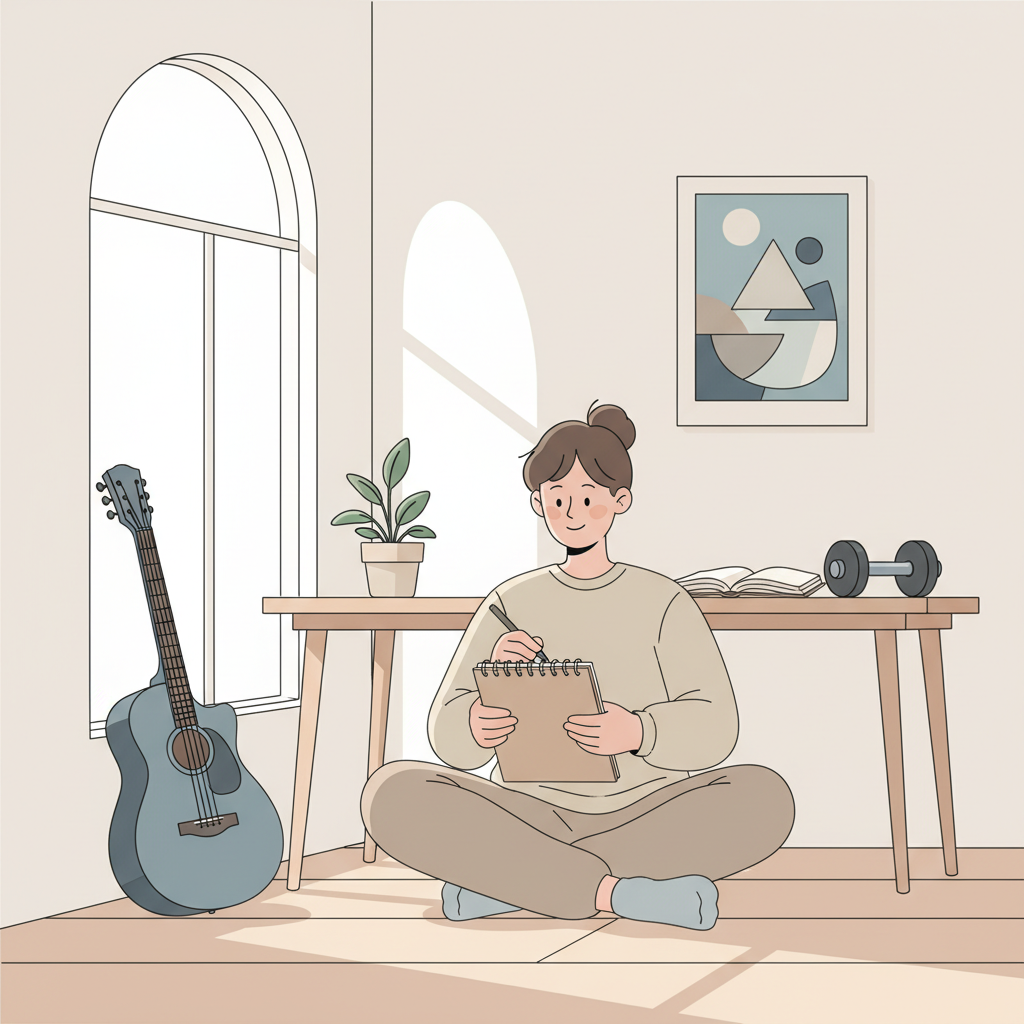
Day 15 Breakthrough: Discovering What Actually Fills the Void
Here's what I've learned about the mistakes people make when trying to fill that empty feeling:
Mistake: Going straight to another screen activity - Switching from porn to endless YouTube or gaming just swaps one dopamine hit for another. Instead, I started doing things that required physical movement first - even just walking around the block before touching my phone.
Mistake: Expecting instant satisfaction from "healthy" activities - Reading a book for ten minutes and feeling bored doesn't mean books suck. Your brain needs time to adjust. I had to push through weeks of restlessness before creative hobbies felt genuinely engaging.
Mistake: Trying to fill the void with productivity alone - Sure, cleaning your room feels good temporarily, but what actually worked for me was connecting with people face-to-face. The void isn't about being busy - it's about feeling disconnected.
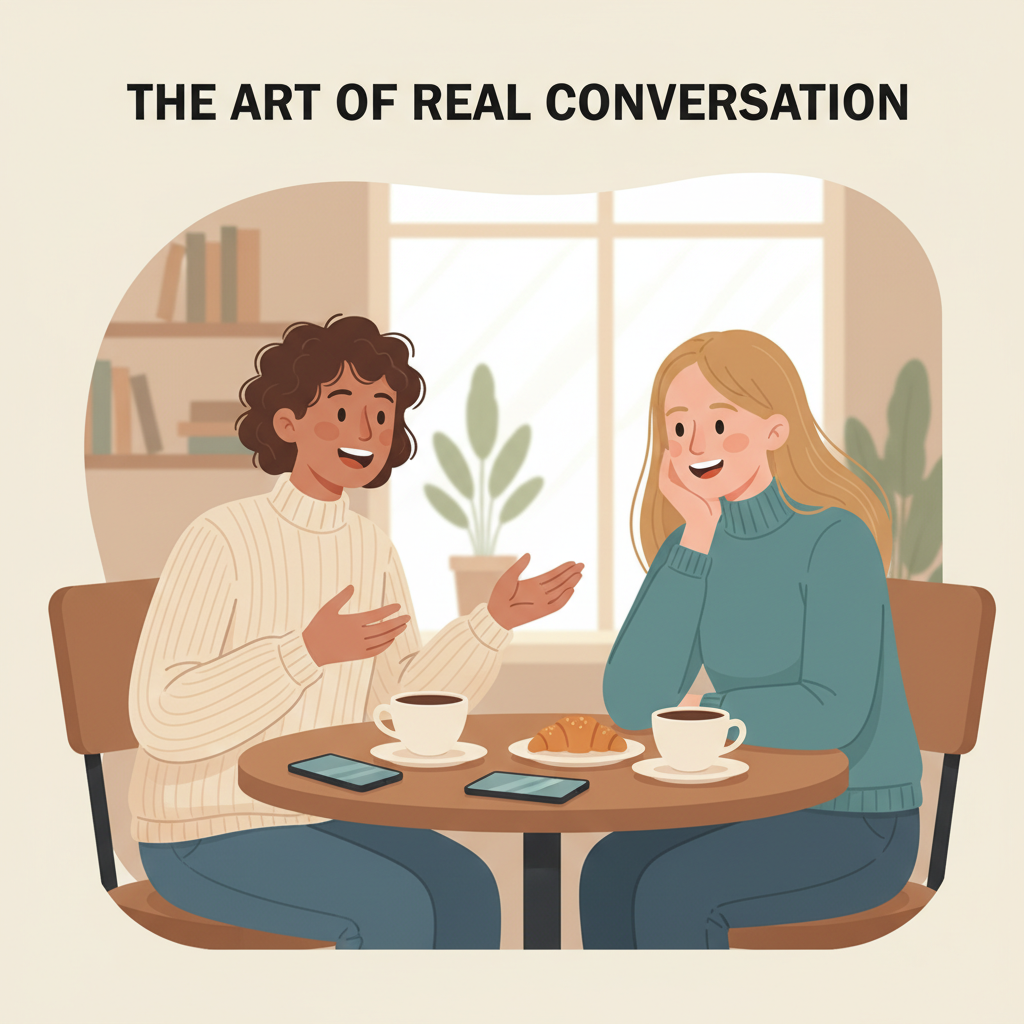
The Unexpected Social Shift: Conversations That Actually Matter Now
I've noticed conversations shifting from shallow small talk to actual substance. Where I used to zone out during dinner with friends, I'm genuinely engaged now. My brain isn't constantly seeking that next hit, so I can actually focus on what people are saying.
The difference shows up everywhere - from deeper talks with my partner about real issues to being present when my coworkers share something personal. I'm not mentally checking out every five minutes. It's like I suddenly remembered how to be interested in other people's actual lives instead of just waiting for my turn to speak.
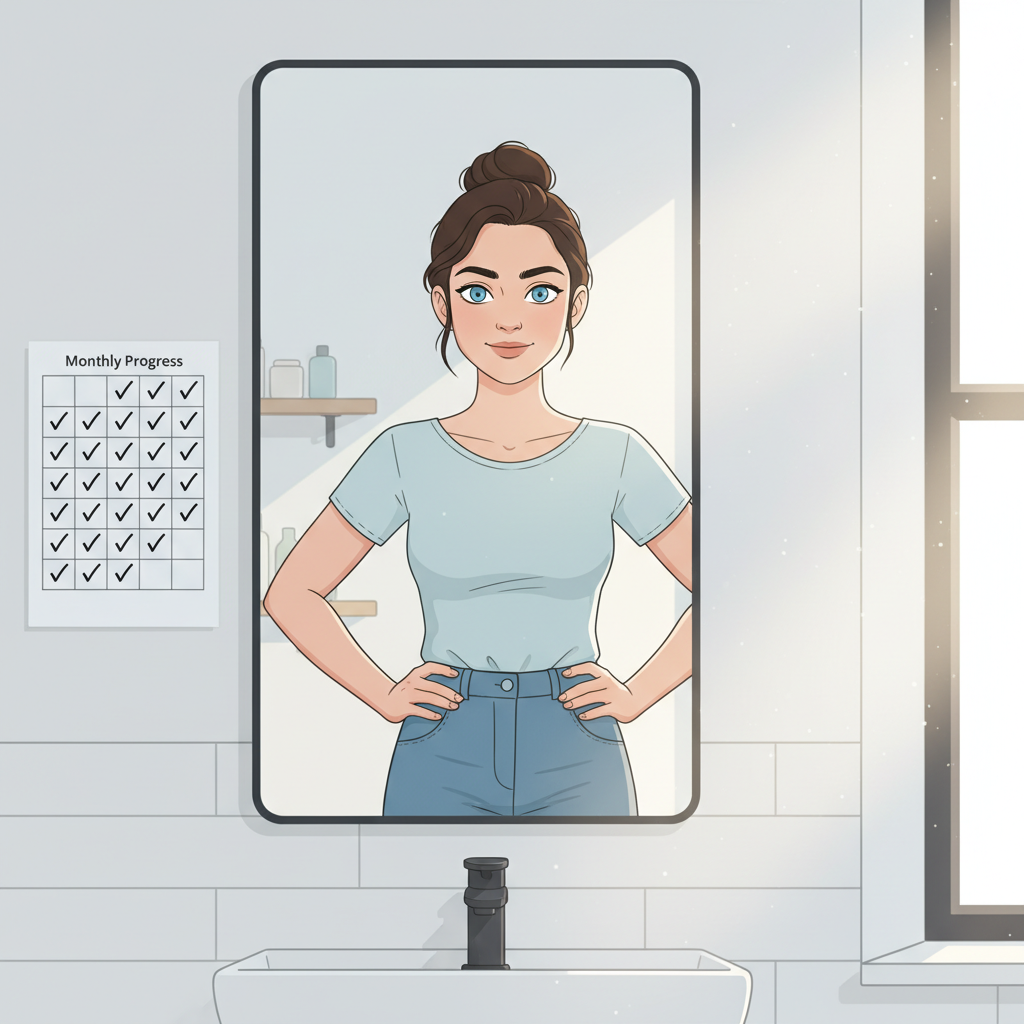
Month Complete: What Nobody Warns You About the Other Side
So you hit 30 days. What's actually different?
The biggest surprise? It's not some massive transformation moment. I expected fireworks, but it's more like... the fog lifts gradually. You realize you've been making decisions from a clearer headspace for weeks without noticing.
What nobody talks about is the weird social stuff. Conversations feel different. I started picking up on subtleties I'd been missing - body language, tone shifts, when someone's actually listening versus just waiting to talk.
The hardest part isn't urges anymore, it's figuring out what you actually want to do with your time. I'd filled so many hours with that habit that I had to rediscover what genuinely interested me. Some days I'd just sit there thinking "now what?"
That restlessness? It's actually your brain remembering how to be curious about real things again.
Common Questions Answered
How do I know if I'm actually making progress during a porn dopamine detox or just fooling myself?
From what I've seen, real progress shows up in how you handle regular stress and boredom - if you're not immediately reaching for your phone or getting that anxious itch when you're alone with nothing to do, that's a genuine sign you're rewiring. The fake progress feels like just white-knuckling through urges while still being completely dependent on other dopamine hits like social media or gaming.
What happens after day 30 ends - do people just go back to their old habits immediately?
Most people I've talked to say the 30-day mark is actually when the real work begins, not when it ends. The challenge gives you enough clarity to see how much porn was messing with your head, but you still need to actively build new habits and deal with whatever you were avoiding before - otherwise yeah, you'll probably relapse within a week or two.
What I'd Actually Try First
Here's what I'd do if I were starting tomorrow: pick just one trigger situation and change how you handle it. Maybe it's putting your phone in another room before bed, or taking a cold shower when urges hit. Small shifts create bigger ones.
Start weird, stay consistent.


