
Sex Addicts Anonymous Meeting Near Me: Finding Local Support
Deloop is the #1 porn addiction recovery app. Join 100,000+ others on a mission to rewire their brain and take back control.


Do you find yourself googling "SAA meetings near me" at 2 AM, then closing the browser before hitting enter?
I get it. I've been there—that weird push-pull between desperately wanting help and feeling terrified of actually walking into a room full of strangers. Finding Sex Addicts Anonymous meetings in your area isn't just about location logistics. It's about working up the courage to admit you need support, then figuring out which group might actually feel safe enough to keep showing up to.
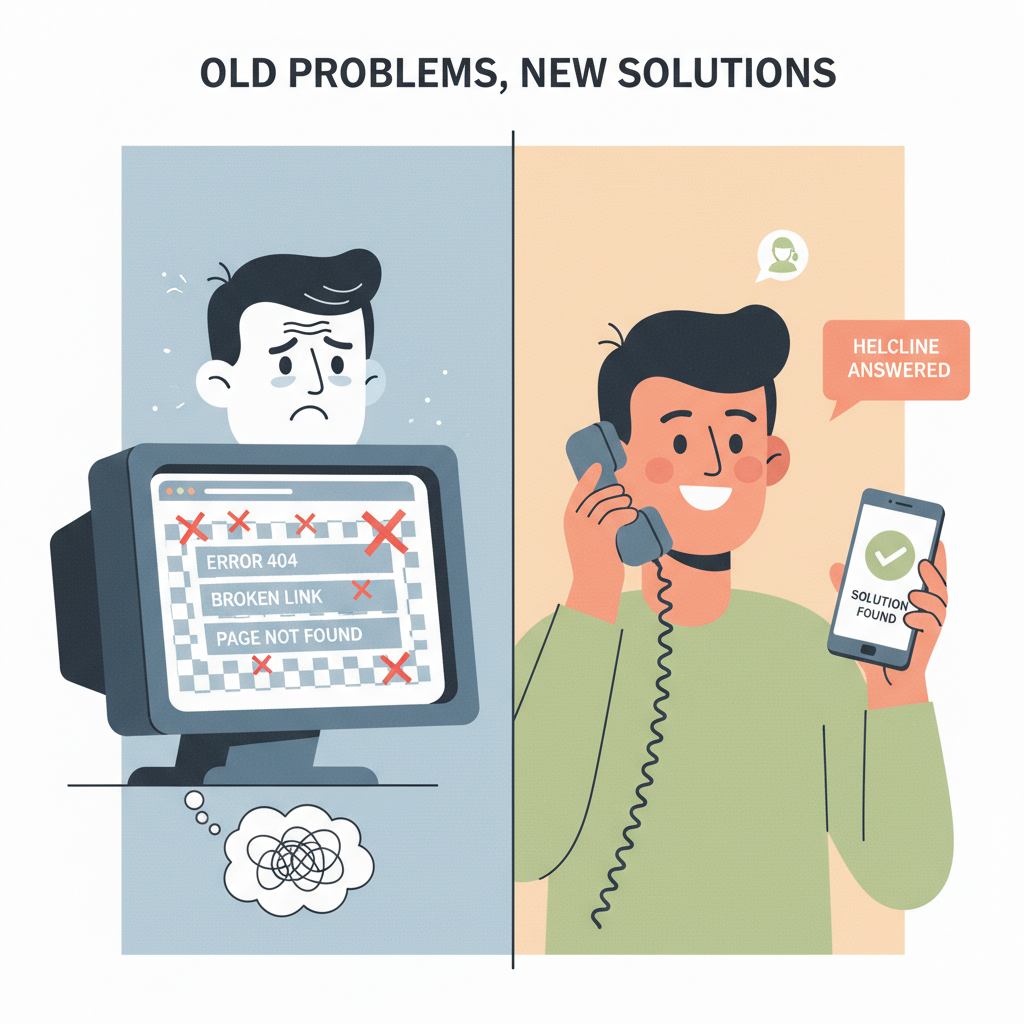
Tracking Down Meetings That Actually Exist (Beyond Outdated Websites)
Mistake: Trusting the first Google result Half the meeting directories I've found are years out of date. That community center meeting listed for Tuesday nights? Probably ended in 2019. I always cross-reference at least three sources now.
Mistake: Not calling ahead I've driven across town to empty rooms more times than I care to admit. A quick phone call to the venue saves the frustration. Churches and community centers usually know if groups are still active.
Mistake: Giving up after one dead end The facilitator moved, the group dissolved, whatever. I've learned to ask whoever answers: "Do you know of any other SAA meetings in the area?" People in recovery communities talk to each other.
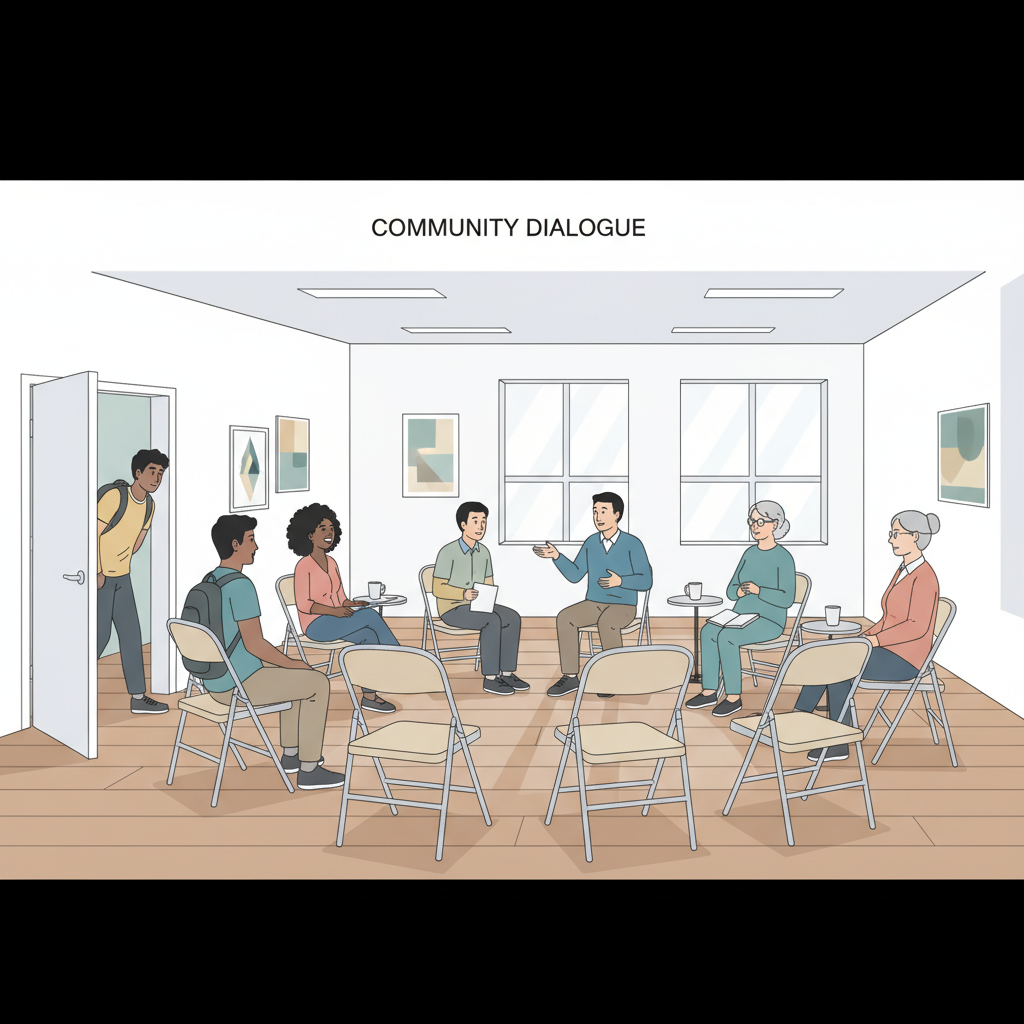
What Really Happens in Your First Meeting (And How to Survive It)
Option A: Show up cold with zero preparation, hoping you'll figure it out.
Option B: Call ahead or check their website for basic logistics first.
I've watched too many people walk into their first meeting completely blind. Option A usually means awkward confusion about when to speak, where to sit, or whether there's a specific format. You end up distracted by logistics instead of focusing on why you're there.
Option B gives you the mental space to actually absorb what's happening. Most groups have simple guidelines posted online - like whether it's discussion-based or speaker format, if there's a suggested donation, basic meeting flow.
The difference is night and day. Go with Option B.
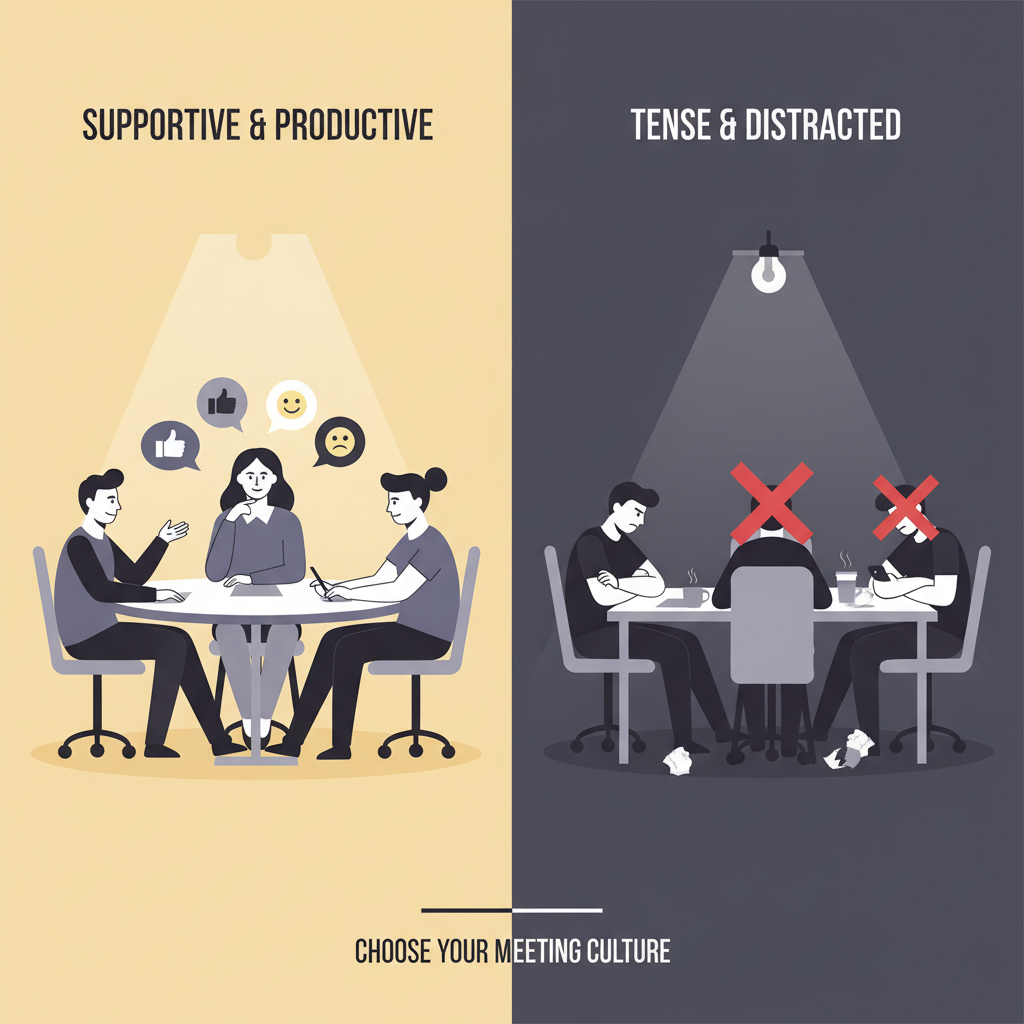
Reading the Room: Spotting Healthy Groups vs. Dysfunctional Ones
I've walked into meetings where something felt off within minutes. Healthy SAA groups have clear boundaries - people share without being interrupted, meetings start on time, and there's genuine respect for anonymity. Red flags? Groups that feel more like therapy sessions with one person dominating, or where members pressure you to share before you're ready.
The best groups I've found stick to the format but feel warm. People make eye contact, laugh appropriately, and newcomers get welcomed without being overwhelmed. If the group feels cult-like, overly rigid, or like people are performing recovery rather than living it, trust your gut and try somewhere else.
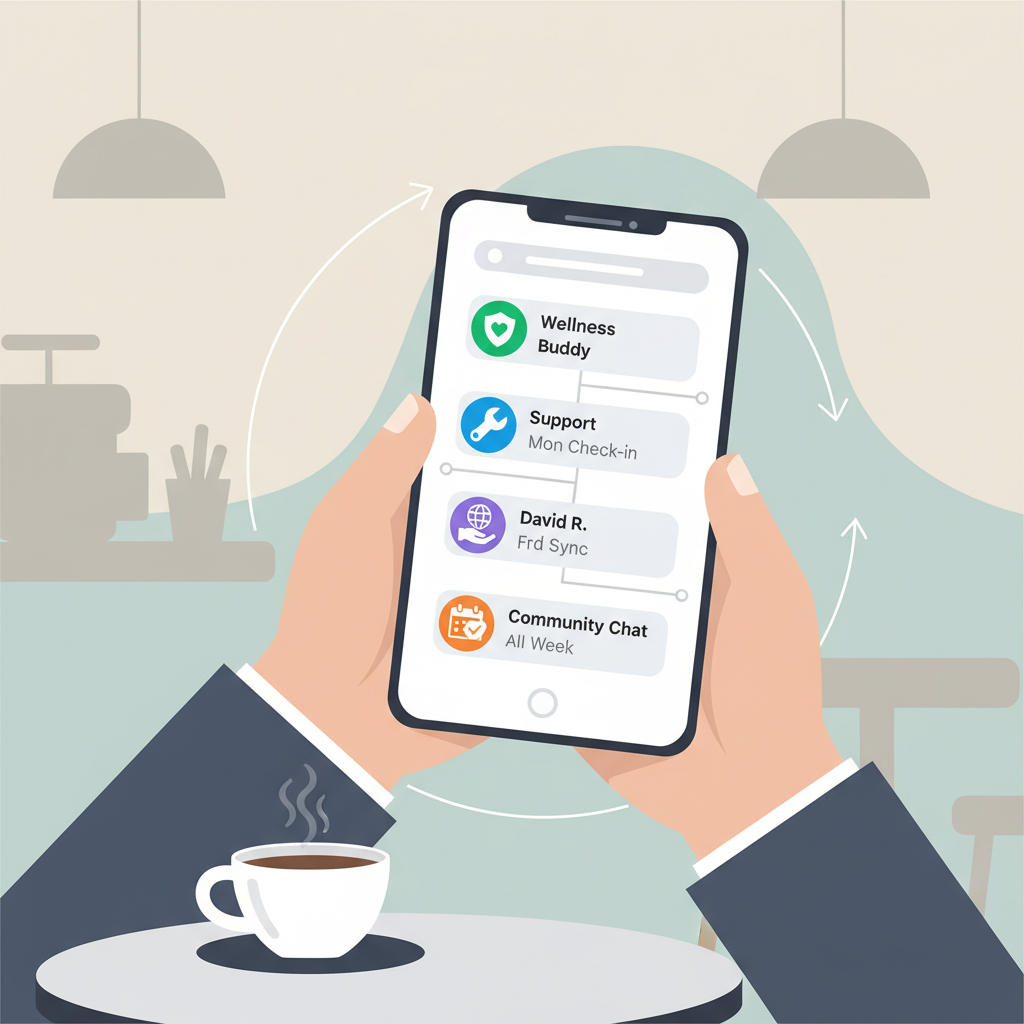
Building Your Recovery Network Beyond Saturday Mornings
I've learned that relying on one weekly meeting isn't enough. The guys who stay sober longest have what I call "backup systems" - they've got a sponsor they actually call, not just exchange numbers with. They show up to coffee meetups after meetings. They've joined online SAA groups for weeknight check-ins when cravings hit.
What worked for me was treating recovery like building a friend group. I started saying yes to invitations, even awkward ones. That Tuesday night step study? Game changer. The accountability partner who texts every morning? Annoying but effective.
One meeting gives you hope. Multiple touchpoints give you actual sobriety.
Frequently Asked Questions
SAA meetings vs SLAA meetings - which should I choose for sex addiction?
From what I've seen, SAA tends to be more straightforward about sexual acting out behaviors, while SLAA focuses more on the love/relationship addiction side of things. I'd honestly try both if they're available near you - the group dynamic and facilitator make way more difference than the specific program.
Are online SAA meetings as effective as in-person meetings near me?
Online meetings are convenient and can be a great starting point, but I found the accountability and real connection you get from sitting in a room with people going through the same stuff just hits different. That said, if transportation or scheduling makes in-person impossible, online is infinitely better than nothing.
Should I go to a general addiction meeting or specifically look for SAA meetings?
I'd go straight for SAA meetings if you can find them - the shame and specific triggers around sexual addiction are pretty unique compared to substance abuse. General addiction meetings can be supportive, but you'll spend half your time explaining why this is "real" addiction instead of actually working on recovery.
What I'd Actually Do Next
Here's what I'd do if I were in your shoes - start by finding just one meeting this week. Don't overthink the "perfect" group or worry about saying the right things. My honest take? The hardest part is showing up that first time. Everything else gets easier from there.


