
The Complete Guide to Quitting Porn for Good After Multiple Relapses
Deloop is the #1 porn addiction recovery app. Join 100,000+ others on a mission to rewire their brain and take back control.


I guarantee that in five years, we'll look back at how we handled porn addiction and cringe at how backwards our approach was. Most advice treats relapses like moral failures instead of what they actually are—predictable patterns with identifiable triggers. I've watched hundreds of people cycle through the same shame-relapse-shame loop because nobody talks about the real mechanics of quitting after you've already "failed" multiple times. Here's what actually works when willpower isn't enough.
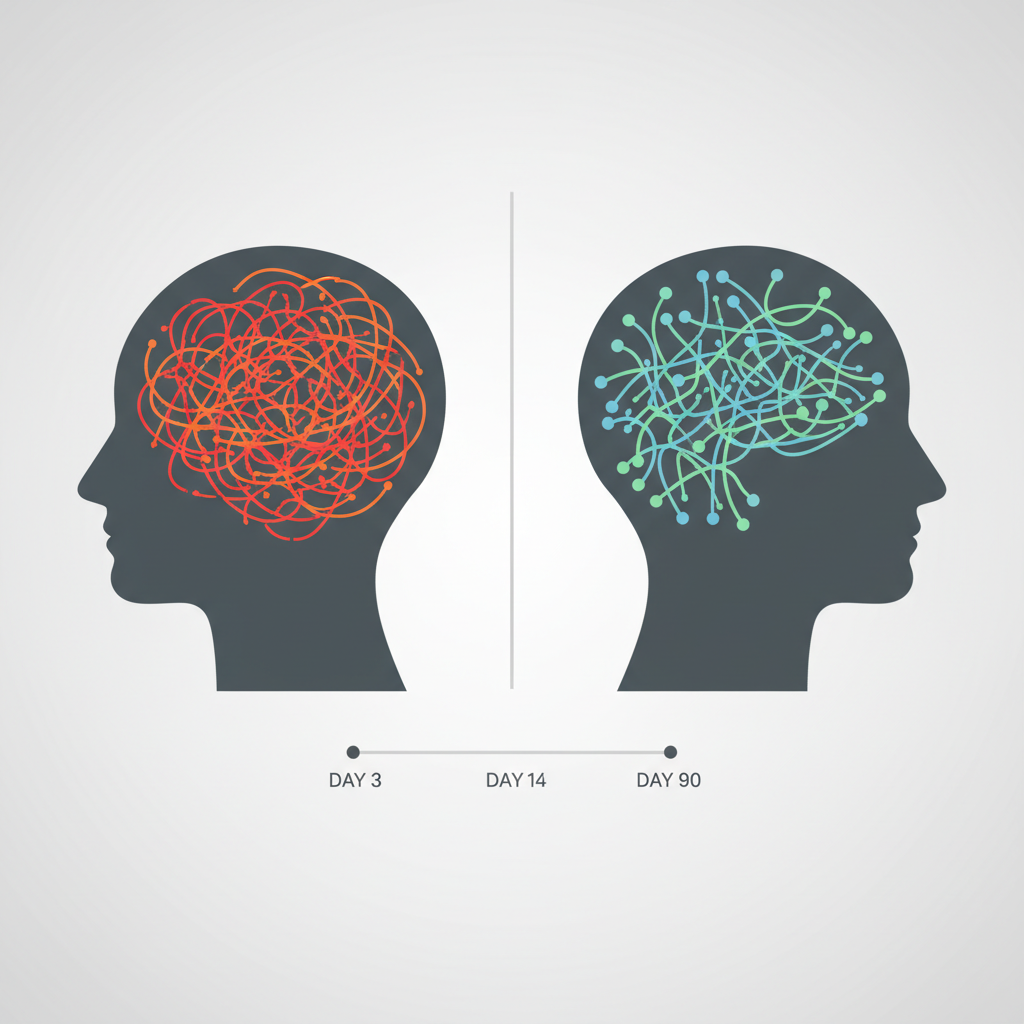
Your Brain on Reset: Why Day 3, 14, and 90 Hit Different
I've noticed three breaking points that hit like clockwork. Day 3 is when your brain starts screaming because the dopamine party's over. You'll feel restless, maybe irritable - this is your reward system throwing a tantrum.
Around day 14, something shifts. The fog lifts slightly and you start thinking clearer. But here's the trap - you feel "cured" and think you can handle just one peek. Don't.
Day 90 is where real change happens. I've watched guys white-knuckle through 89 days only to binge because they thought they'd crossed some magical finish line. The 90-day mark isn't graduation - it's when your brain finally starts rewiring for good.

The Trigger Audit: Mapping Your Personal Danger Zones
I used to think my triggers were random until I started tracking them obsessively for two weeks. Turns out they weren't random at all.
The pattern was brutal but clear: Sunday evenings when I felt that work-week dread, right after intense gym sessions when my dopamine crashed, and weirdly, during the first 20 minutes of any Netflix binge. My brain had learned to associate these specific moments with porn as an escape route.
Here's what actually works for mapping triggers: write down the exact time, your emotional state, what you were doing for the previous hour, and your stress level (1-10) every time you get an urge. Not just when you relapse - every single urge.
After a week, the patterns become obvious. Mine were boredom + physical fatigue, Sunday scaries, and that specific restless feeling after scrolling social media. Once I knew my danger zones, I could plan actual countermeasures instead of just hoping willpower would save me.
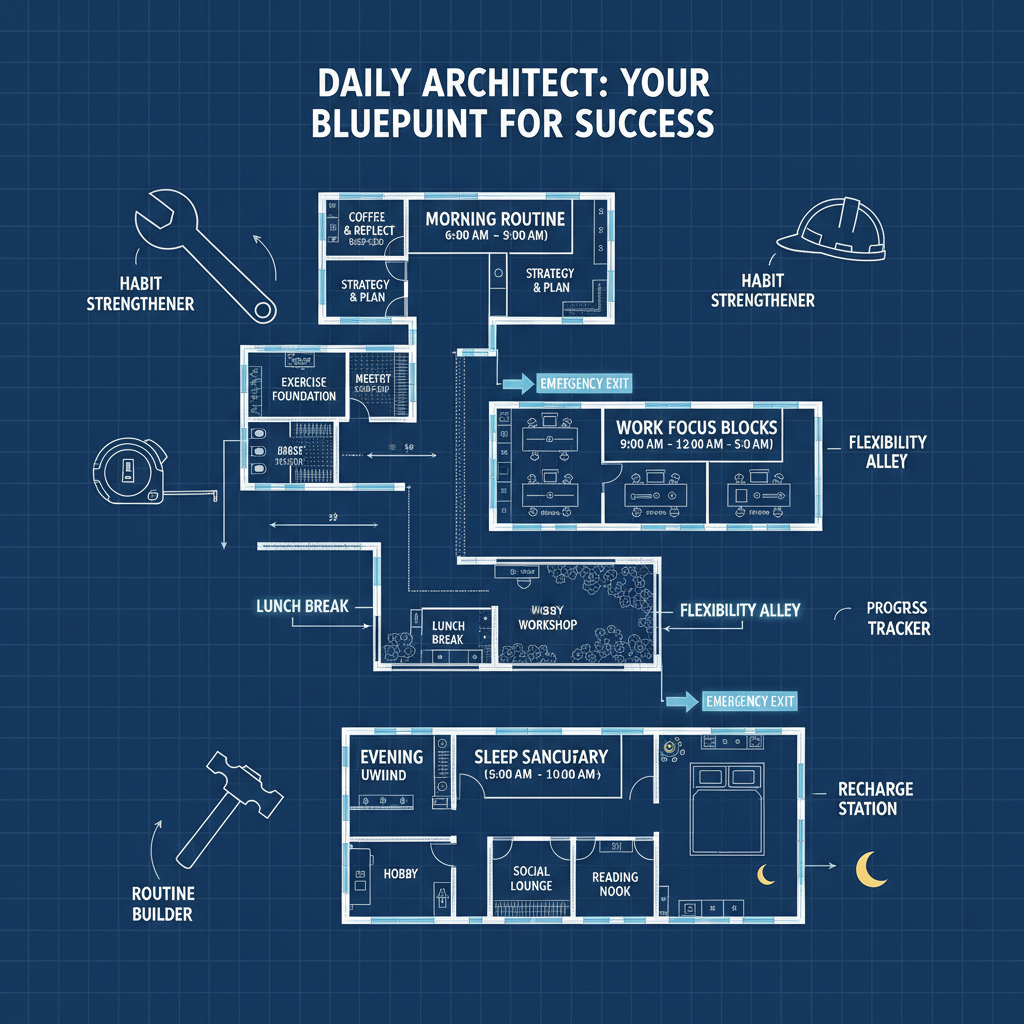
Building Your Relapse-Proof Daily Architecture
Q: What does a relapse-proof day actually look like?
I learned this the hard way - you can't just remove porn and leave empty space. Your brain will fill that void with the same old patterns.
The days I stayed clean weren't about superhuman willpower. They were structured differently from hour one. I'd wake up and immediately do something that required focus - could be pushups, journaling, or just making my bed properly. No phone for the first 30 minutes.
The key insight? Urges hit hardest during transition moments - between work tasks, after meals, before sleep. I started planning those gaps specifically. Instead of scrolling mindlessly, I'd have a predetermined activity ready. Sometimes just walking outside for five minutes killed the urge completely.
Your Questions, Answered
Does this guide actually work if you've already relapsed dozens of times?
From what I've seen with people who've been stuck in the relapse cycle for years, it really comes down to whether you're willing to dig into the uncomfortable psychological stuff that most guides skip over - this one doesn't sugarcoat the mental work you'll need to do, which is honestly why it tends to stick better than the surface-level approaches that failed you before.
Is buying another porn addiction guide worth it when free resources haven't worked?
I'd say it depends on how much you value having a structured, step-by-step system versus piecing together random advice from forums and YouTube videos. The free stuff tends to give you bits and pieces, but when you're dealing with multiple relapses, you need something that addresses the specific mindset and triggers that keep pulling you back - which is where a comprehensive guide actually pays for itself in time saved and frustration avoided.
The One Thing That Actually Matters
Here's what I'd tell my past self: stop treating relapses like you're starting over from zero. You're not. Every attempt builds something, even when it feels like failure. The real win isn't perfection—it's getting back up faster each time. That momentum is everything.


