
12 Step Program for Porn Addiction: Does It Actually Work
Deloop is the #1 porn addiction recovery app. Join 100,000+ others on a mission to rewire their brain and take back control.


Here's the thing everyone gets wrong about 12-step programs for porn addiction: people think they're either a magic cure-all or complete nonsense. I've watched friends go through these programs, and the reality is way more complicated than either camp wants to admit. Some guys I know swear by the structure and community. Others couldn't connect with the spiritual component at all. The truth? It depends on who you are and what you actually need to heal.

What Actually Happens in Those First 30 Days (Spoiler: It's Messier Than They Tell You)
That first meeting? You'll probably sit in the back, sweating through your shirt, convinced everyone knows why you're there. I spent my first week showing up twenty minutes late just to avoid awkward small talk.
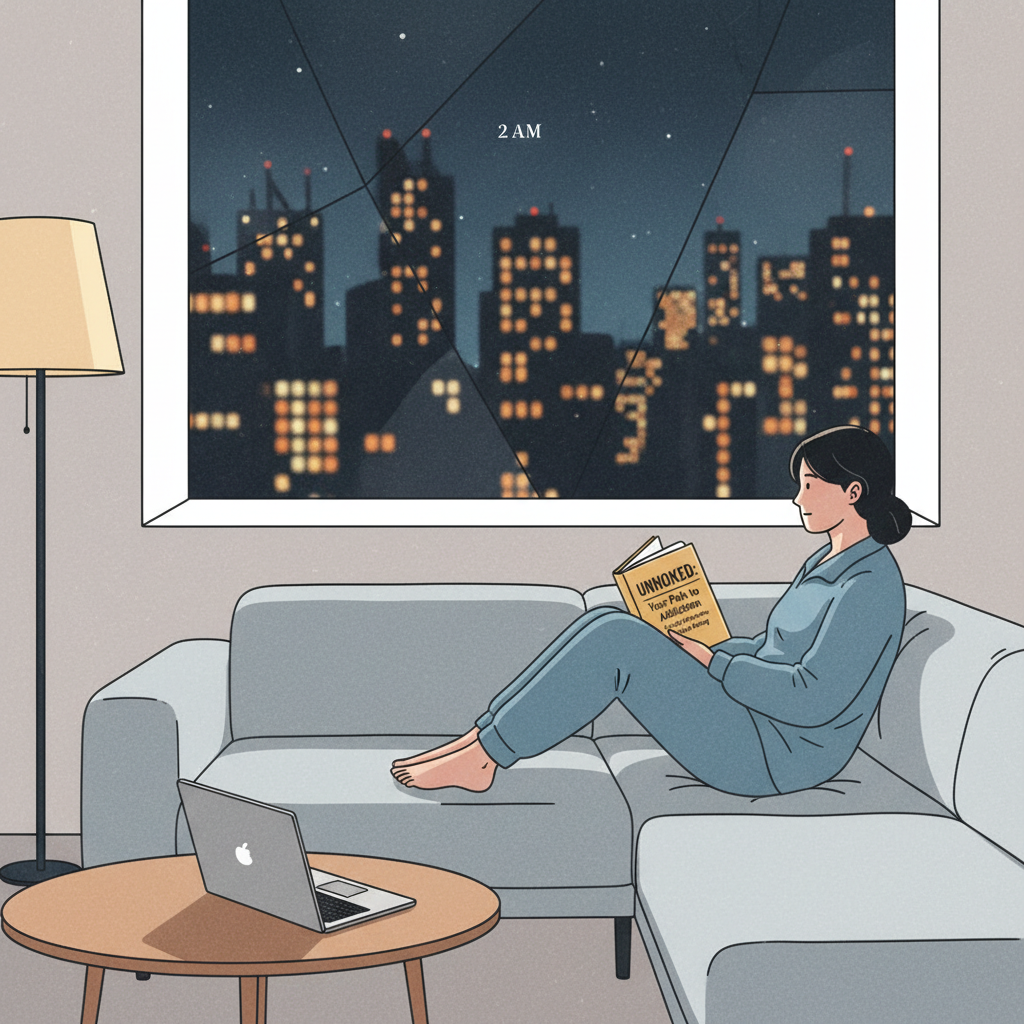
Week two hits different. The initial motivation wears off, and you're white-knuckling it through normal Tuesday afternoons. Your sponsor will tell you to call when you're struggling, but actually picking up that phone feels impossible when you're spiraling at 2 AM.
By week three, you'll either find yourself opening up during shares or making excuses to skip meetings entirely. The guys who seem to have it figured out? They're usually the ones who relapsed last month. Everyone's figuring it out as they go.
The Sponsor Relationship Reality Check: When Good Intentions Meet Human Complexity
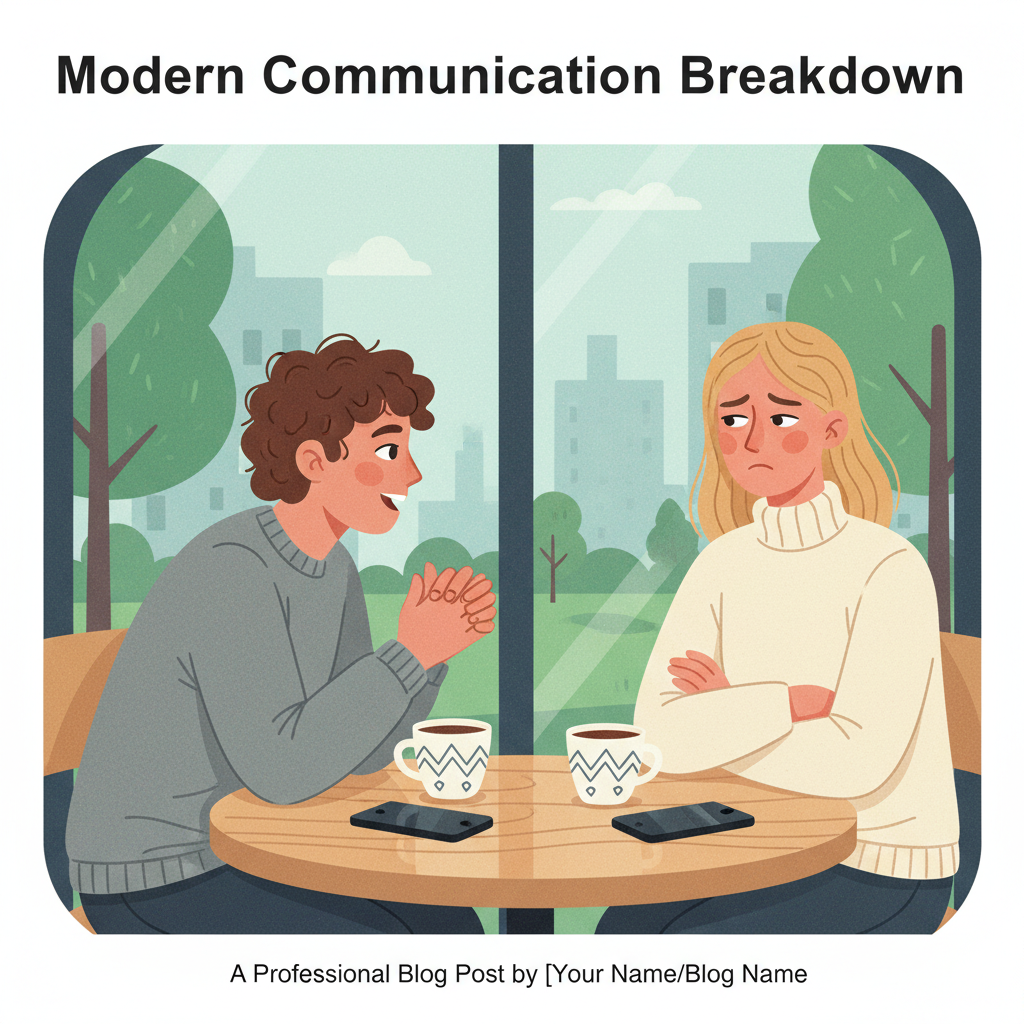
Here's the mental model I use for sponsor relationships: they're intimate friendships with complete strangers, built around your most shameful secret. That's inherently weird.
I've seen sponsors who were amazing listeners but terrible at boundaries—calling at midnight "just to check in." Others had their own recovery figured out but couldn't relate to anyone else's journey. The guy who sponsored me for six months turned out to be struggling worse than I was.
The best sponsor relationship I had felt more like having an older brother who'd been through hell. We talked twice a week, no drama, just real conversation about real problems.
Step 4's Moral Inventory: The Exercise That Either Breaks You Open or Breaks You Down
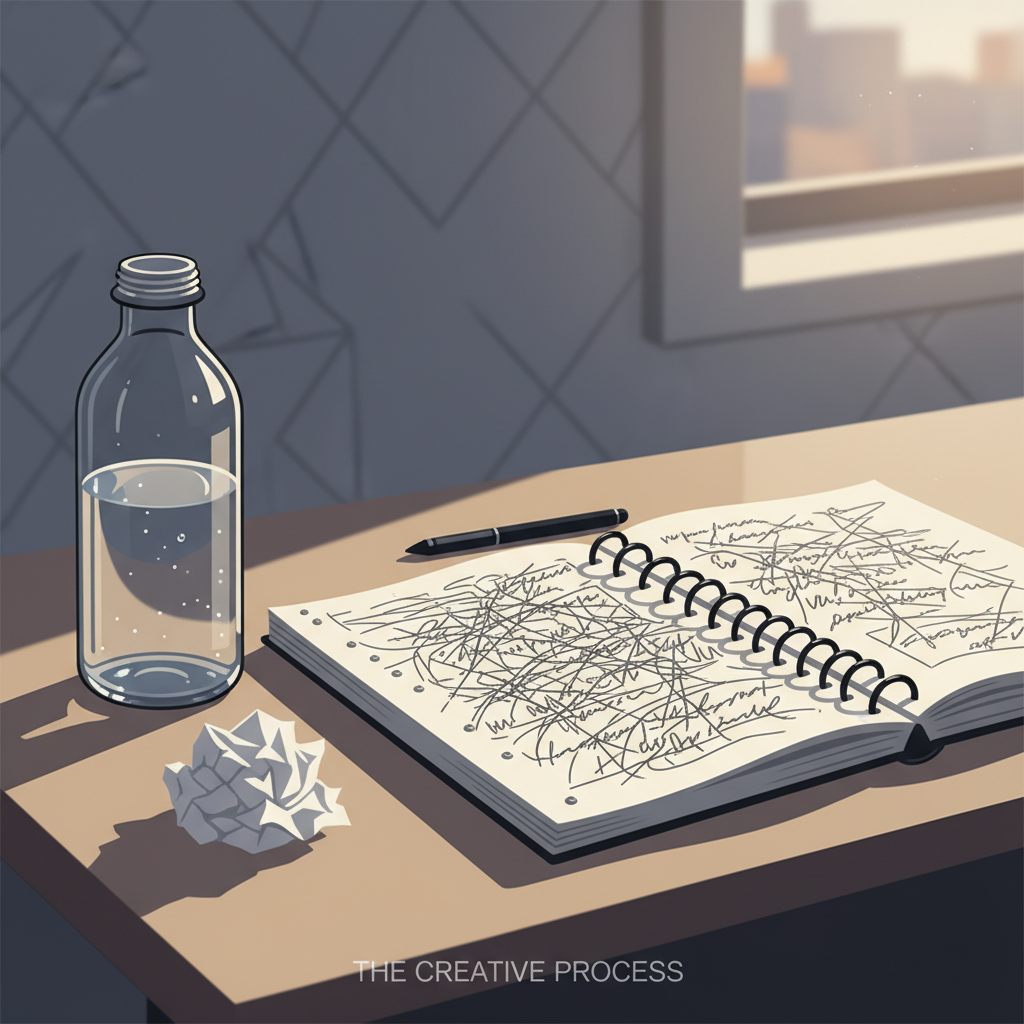
Step 4 separates the serious from the desperate. I've watched guys spend months avoiding this step because writing down every shameful thing you've done feels impossible.
Basic Level: Start with just your porn-related behaviors. When did you lie to partners? Skip work? Spend money you didn't have? Don't try to inventory your entire life yet.
Advanced Level: Connect the dots between your sexual acting out and other character defects. I discovered my porn use was tied to resentments I'd been carrying for years. The guys who dig deepest here get the most relief later.
Fair warning: this step either cracks you open for real healing or sends you running back to your old patterns.
Beyond the Meeting Room: What Recovery Looks Like When Nobody's Watching
What does actual recovery look like day-to-day?
It's messy and boring, honestly. I spend way more time figuring out what to do with my hands at 11 PM than discussing deep spiritual insights. Recovery means having awkward conversations about installing accountability software, explaining to your roommate why you need the router password changed, and sitting through incredibly uncomfortable urges while doing mundane stuff like grocery shopping.
How do you handle triggers when you're completely alone?
I've learned that the "call your sponsor" advice only works if you actually do it before you're already halfway gone. What really saved me was building stupid-simple systems - like keeping my phone in another room after 9 PM, or having a specific playlist I put on when I feel that familiar restlessness creeping in. The fancy coping strategies from meetings are great in theory, but when you're triggered, you need something that requires zero thinking.
What surprised you most about the recovery process?
How much time I suddenly had. I didn't realize how much mental energy was going toward planning, hiding, and recovering from acting out until it stopped. But then I had to figure out what to actually do with all these empty hours, which was its own challenge that nobody really prepares you for.
What People Ask
Does the 12-step program work better for porn addiction than therapy or counseling?
From what I've seen, it really depends on your personality - if you thrive on community support and spiritual approaches, 12-step groups can be incredibly powerful, but if you need to dig into underlying trauma or mental health issues, one-on-one therapy is usually more effective. I'd honestly recommend trying both if possible, since they complement each other well.
Should I go with SAA (Sex Addicts Anonymous) or SLAA (Sex and Love Addicts Anonymous) for porn addiction?
SAA is usually the better fit for porn addiction specifically since it focuses more directly on sexual behaviors rather than relationship patterns. SLAA tends to attract people dealing more with codependency and relationship addiction, so unless your porn use is tied up with romance addiction, SAA meetings will probably feel more relevant to what you're going through.
Is the 12-step approach more effective than apps like Covenant Eyes or accountability software?
The 12-step program addresses the deeper emotional and spiritual stuff that drives the addiction, while apps are basically just digital guardrails - and from my experience, most people find ways around the software eventually anyway. Apps can be helpful tools as part of recovery, but they're not going to solve the underlying issues that keep you coming back to porn in the first place.
My Honest Take
Here's what I'd do if I were starting this journey - don't get hung up on whether it's the "perfect" program. The 12 steps work for some people, not others. What matters more is finding something that gives you structure and accountability. Start somewhere, then adjust as you learn what actually helps you.


