
When to Seek Porn Addiction Therapy: 10 Signs You Need Professional Help
Deloop is the #1 porn addiction recovery app. Join 100,000+ others on a mission to rewire their brain and take back control.


I remember the exact moment I realized my relationship with porn had crossed a line. It wasn't dramatic—no rock bottom moment or intervention. Just sitting there at 2 AM, feeling empty after another late-night session, knowing something was seriously off. The thing is, I'd been telling myself "everyone does this" for months, maybe years. But everyone doesn't lose sleep, skip social events, or feel that gnawing shame that follows you around like a shadow. Recognizing when casual viewing becomes compulsive behavior isn't always obvious, but there are clear signs worth paying attention to.
Your Brain Feels Hijacked: When Urges Override Everything Else
Tier 1: The Override Moments When I'm describing this to clients, I call it "autopilot mode" - you'll find yourself opening apps or websites before you even realize what you're doing. Your rational mind says "not now" but your hands are already moving. These moments feel like someone else is driving your brain.
Tier 2: The Full Hijack Here's where it gets scary: you'll skip important meetings, stay up until 3am on work nights, or ignore your crying kid because the urge feels more urgent than everything else in your life. When porn consistently wins against your responsibilities and relationships, that's your cue for professional help.
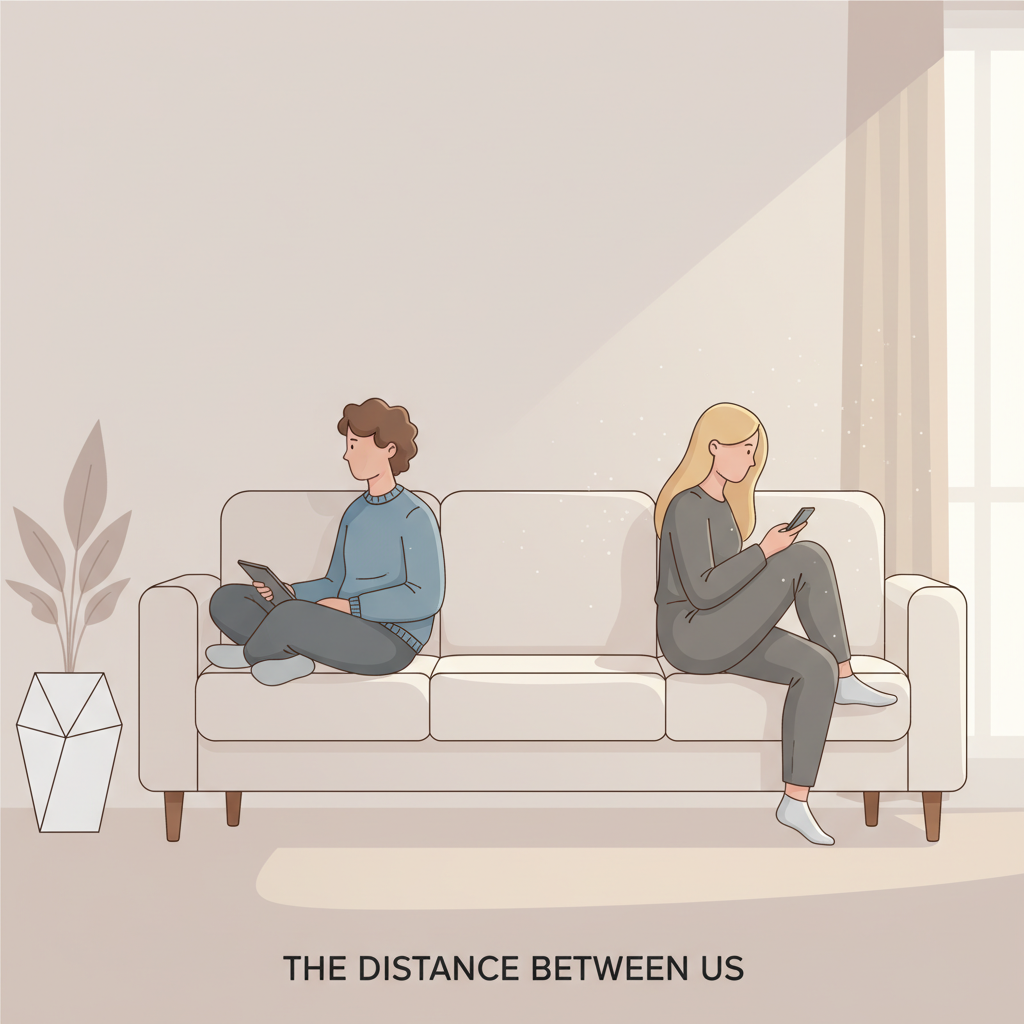
Real Relationships Start Feeling Like Poor Substitutes
I've talked to guys who describe dating like they're going through the motions. They'll sit across from someone attractive, even someone they genuinely like, and feel... nothing. Or worse, they're mentally comparing their date to what they watched that morning.
The brutal truth? Real intimacy starts feeling clunky and awkward when you're used to the instant gratification and fantasy perfection of porn. You find yourself getting impatient with the slow build of actual connection. Real people have bad breath, insecurities, and don't look like they stepped out of a video.
When I hear someone say "real sex is boring" or they're losing interest in pursuing relationships altogether, that's usually porn addiction talking. Your brain has been rewired to expect something real life simply cannot deliver.
The 3 AM Shame Spiral That Keeps Repeating
You know this cycle. Use, immediate regret, promise to never do it again, delete apps, feel good for a day or three, then right back to square one. I've watched people get stuck in this loop for years - the shame actually becomes part of what drives the behavior forward.
What makes this particularly brutal is how the shame compounds. Each relapse feels like proof you're broken or weak, which creates more emotional pain to escape from. The cycle becomes self-perpetuating. When you're spending more mental energy on shame and self-hatred than actual recovery strategies, that's when professional help stops being optional.
Glossary:
Shame spiral - The cyclical pattern where guilt over porn use leads to emotional pain, which drives more compulsive behavior, creating deeper shame
Relapse - Returning to unwanted porn use after a period of abstinence or attempted control
Compulsive behavior - Actions performed repeatedly despite negative consequences, often to regulate difficult emotions
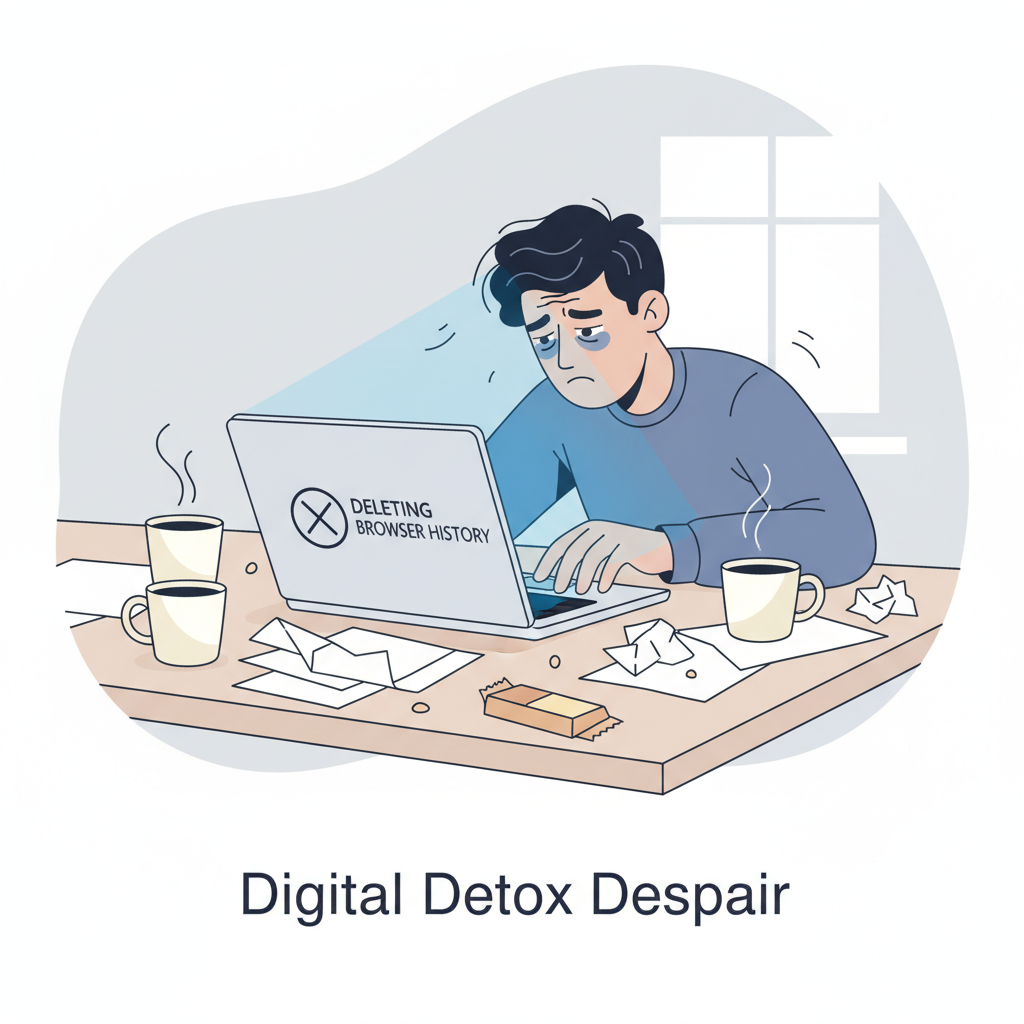
When Your Secret Takes More Energy Than Your Actual Life
I've watched people become absolute masters of deception over porn habits, and honestly? The mental gymnastics are exhausting to witness.
You're clearing browser histories like you're covering up a crime. Incognito mode becomes your default. You've got elaborate systems for when you can and can't use your phone. You're timing bathroom breaks around other people's schedules. Some guys I know have separate devices just for this stuff.
Here's what really gets me: you're spending more brainpower managing your secret than you are on actual important things. Your relationship, your work, your goals - they're all getting the leftover mental energy after you've exhausted yourself playing digital hide-and-seek.
When the cover-up becomes more complex than your actual life, that's not just a bad habit anymore. That's addiction territory, and it's time to get help.

Professional Help Isn't Giving Up—It's Getting Your Power Back
I used to think seeing a therapist meant admitting total defeat. What a backwards way to think about it.
The reality hit me when I watched my friend Mark struggle alone for two years, white-knuckling through cycles of shame and relapse. Meanwhile, I started working with a therapist who specialized in compulsive behaviors. Within three months, I had actual tools instead of just willpower and guilt.
A good therapist doesn't judge your browser history—they help you understand the patterns underneath. They teach you how to handle triggers before you're already clicking. Most importantly, they help you rebuild your relationship with yourself.
Going to therapy was the most powerful decision I made. It wasn't surrender; it was finally fighting smart instead of just fighting hard.
Frequently Asked Questions
How much does porn addiction therapy typically cost?
From what I've seen, most therapists who specialize in this charge between $100-200 per session, and you're usually looking at weekly sessions for at least a few months to see real progress. Some offer sliding scale fees if money's tight, and honestly, it's worth asking upfront because this kind of therapy works best when you can commit to regular sessions without stressing about the cost.
How long does it usually take to see results from porn addiction therapy?
I'd say most people start noticing some shifts in their thinking and urges within 4-6 weeks of consistent therapy, but real lasting change typically takes 3-6 months of dedicated work. It's not like flipping a switch - you're rewiring years of habits, so anyone promising quick fixes is probably overselling it.
Here's My Take
Look, I've seen too many people wait until their relationships implode or their work suffers before getting help. My advice? Trust your gut. If you're reading this list and nodding along to half of it, that's probably your answer right there.
The hardest part isn't admitting there's a problem - it's picking up the phone.


