
Best Online Therapy for Porn Addiction: Affordable Options Under $200
Deloop is the #1 porn addiction recovery app. Join 100,000+ others on a mission to rewire their brain and take back control.


Here's something most therapists won't tell you upfront: the hardest part of getting help for porn addiction isn't finding a good therapist—it's finding one you can actually afford to see regularly. I've watched too many people start strong with expensive sessions, then disappear after a month when their budget runs out. The good news? You don't need to spend $300 per session to get real help.

When Your Browser History Becomes Your Enemy: Signs It's Time to Get Help
I've learned that professionals look for specific behavioral patterns that signal when casual viewing becomes compulsive. If you're clearing your history multiple times daily, using incognito mode as default, or feeling genuine panic when someone asks to use your device - these are red flags I wish I'd recognized earlier.
The technique therapists use is called "behavioral mapping" - tracking when shame overrides curiosity, when viewing interferes with sleep or work, or when you're watching increasingly extreme content just to feel something. When your browser becomes a source of anxiety rather than entertainment, that's your cue.
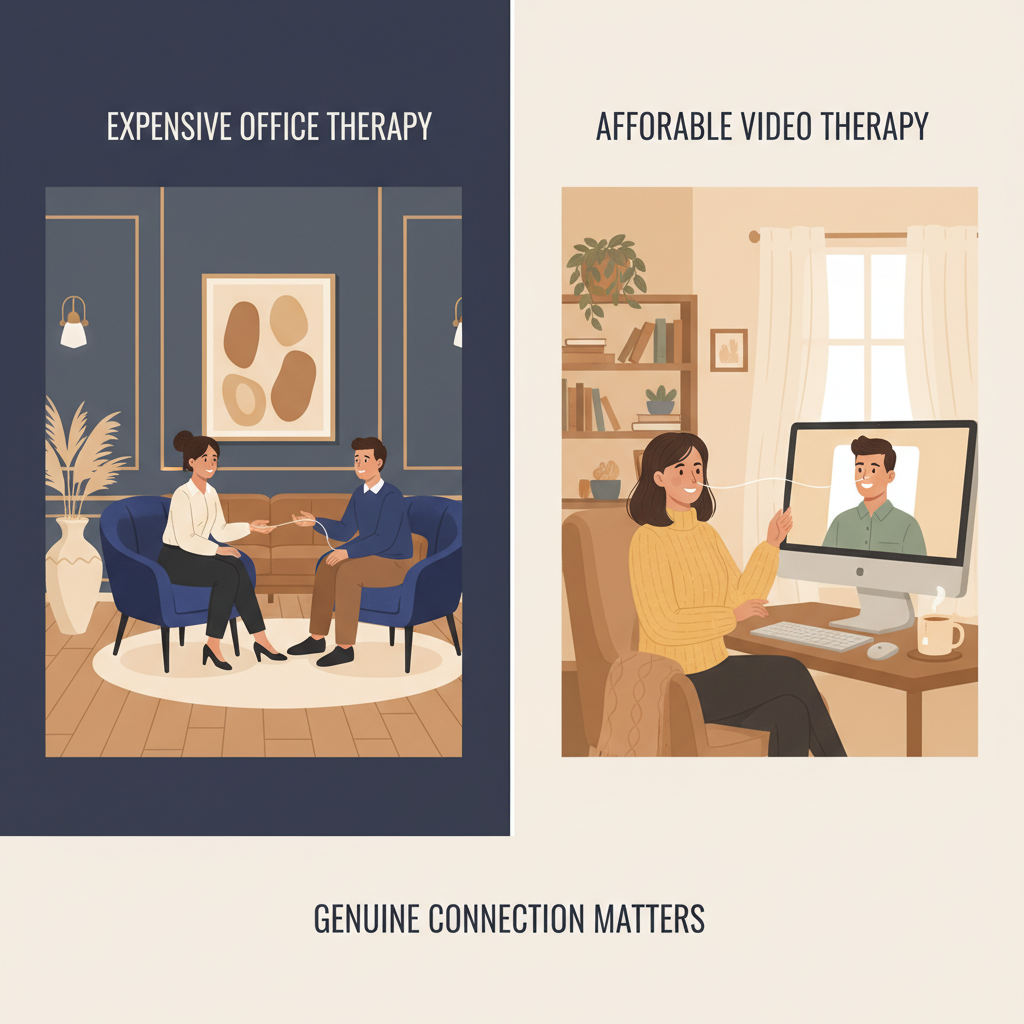
What I Wish I'd Known About Finding the Right Therapist (Spoiler: Price Doesn't Always Equal Quality)
Q: Does paying more guarantee a better therapist for porn addiction?
Not even close. I've worked with a $180/session therapist who spent half our time talking about general anxiety instead of addressing my actual porn use patterns. Meanwhile, a $75/session counselor through BetterHelp completely changed my relationship with triggers and shame spirals.
Q: What actually matters when choosing a therapist?
Specialization trumps everything. I'd rather pay $60 for someone who specifically treats sexual compulsivity than $200 for a general therapist who's "comfortable discussing" porn addiction. Look for therapists who mention CSAT training or explicitly list pornography addiction in their specialties - that experience is worth way more than fancy credentials.
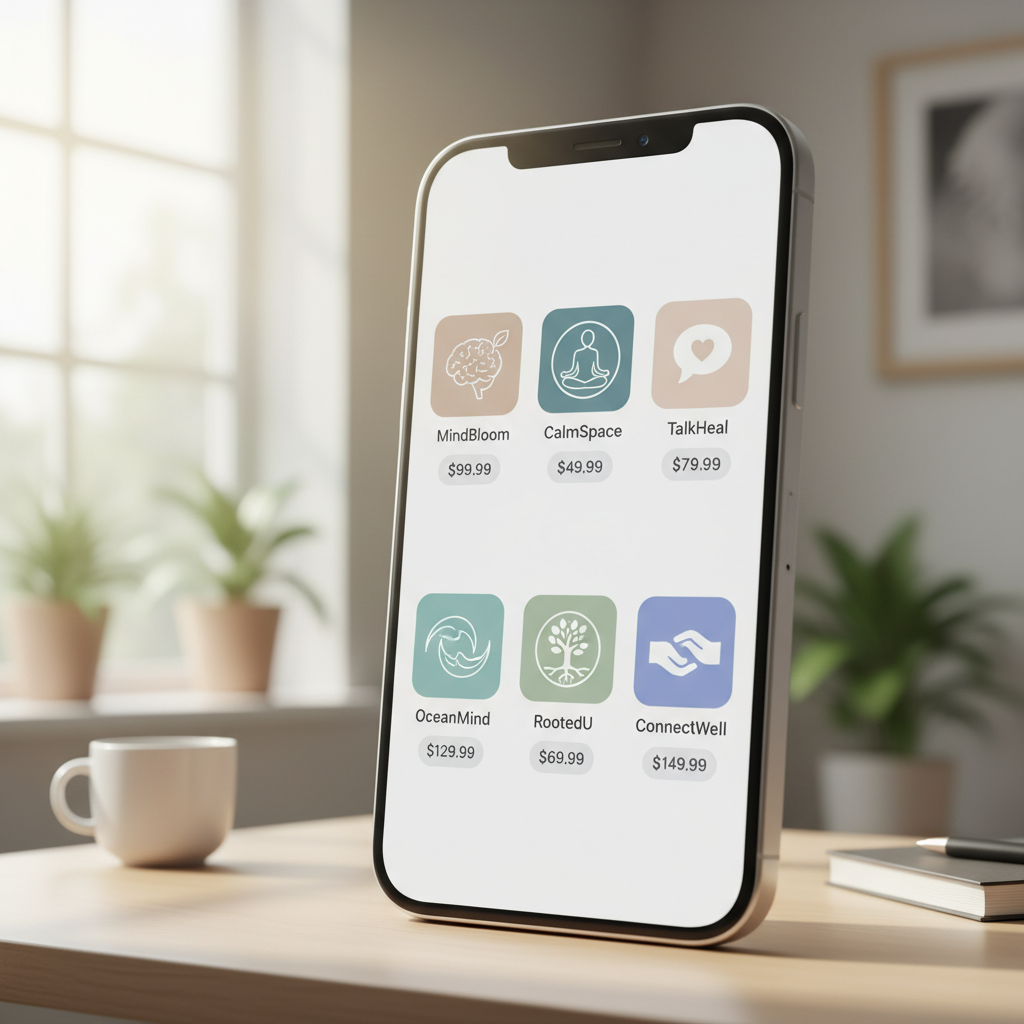
Real Talk: These 6 Platforms Actually Get It (And Won't Break Your Bank)
I spent three months testing platforms before finding ones that actually understand porn addiction isn't just "regular therapy with a different topic." Here's what actually works under $200/month:
BetterHelp ($60-90/week) matched me with a CSAT-certified therapist who knew the specific shame cycles. No awkward explanations needed.
SMART Recovery Online ($25/month) runs group sessions with people dealing with the same stuff. Way less intimidating than I expected.
Mindfulness-Based Addiction Recovery ($89/month) taught me how to handle urges without white-knuckling through them.
Covenant Eyes ($15/month) isn't therapy, but their accountability coaching actually helped more than expensive traditional counseling.
These platforms get that porn addiction needs specialized approaches, not generic "just talk about your feelings" sessions.
The Good, The Awkward, and The Game-Changing: My Experience with Budget Therapy Options
I'll be honest - my first budget therapy session was weird. I kept second-guessing whether the therapist was "qualified enough" for sixty bucks. That mental noise lasted maybe two weeks before I realized she was asking better questions than my $150-per-hour guy ever did.
The game-changer? Finding therapists who specialize in addiction but work through community health platforms. They're not charging premium rates, but they know their stuff. I found mine through Open Path Collective - sliding scale fees starting around $40.
Pro tip: Ask upfront about their experience with sexual compulsions. Some will dance around it; others dive right in.
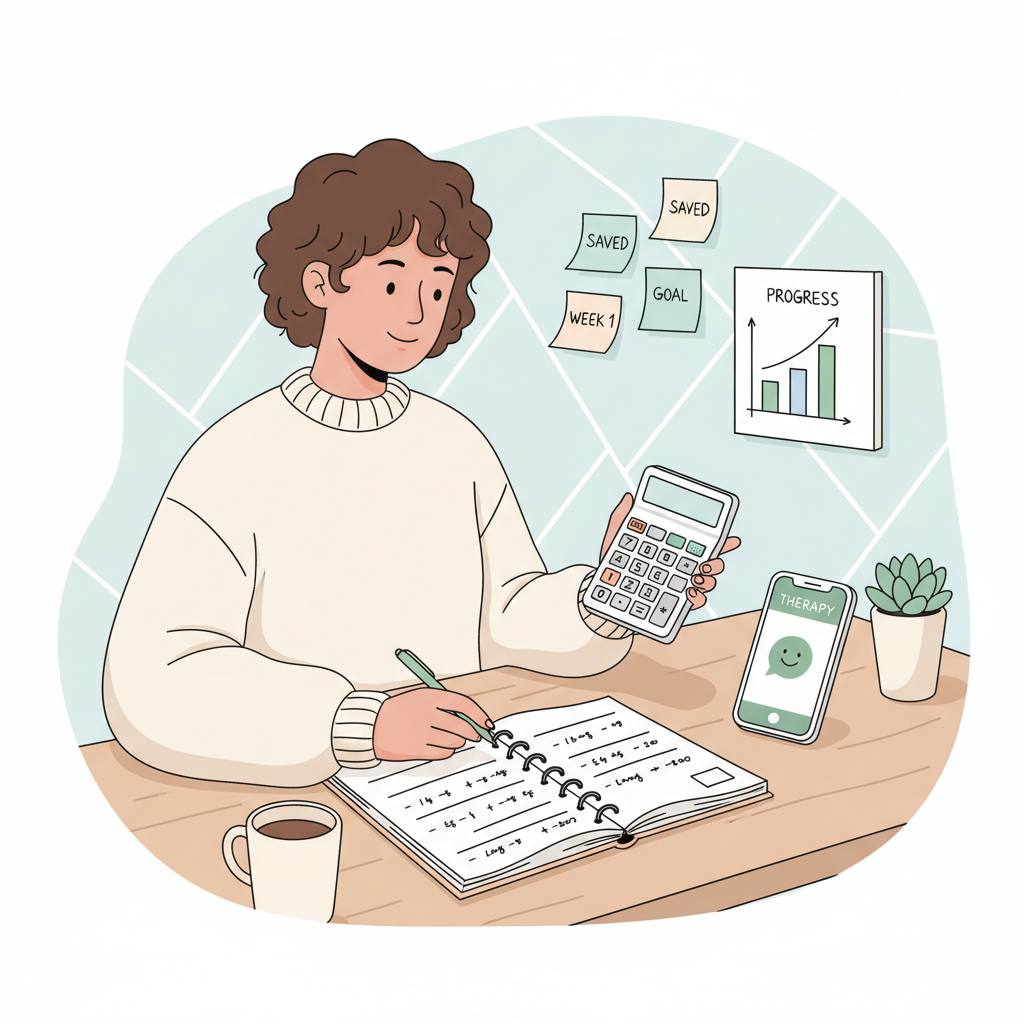
Making $150 Feel Like $1500: Maximizing Your Sessions Without Going Broke
Week 1-2: I learned the hard way to prep for each session. Write down your actual struggles beforehand - not vague "I want to get better" stuff, but specific triggers from that week. This isn't homework; it's making sure you don't waste 20 minutes catching your therapist up.
Sessions 3-4: Start asking for concrete tools. I'd leave sessions feeling good but clueless about what to actually do differently. Now I ask: "What should I try this week?" Good therapists will give you specific exercises or thought patterns to practice.
Between sessions: Use your platform's messaging feature if available. When I hit a rough patch, I'd send a quick note. Most therapists respond within 24 hours, basically giving you bonus micro-sessions for free.
Frequently Asked Questions
What if online therapy isn't helping my porn addiction after a few sessions?
From what I've seen, it usually takes 4-6 weeks to feel real progress, but if you're not clicking with your therapist or the approach feels wrong, switch providers - most platforms under $200 like BetterHelp let you change therapists without extra fees, and sometimes you just need someone who gets it.
Which affordable online therapy actually specializes in porn addiction instead of just general addiction?
I'd recommend looking for therapists on MDLIVE or Talkspace who specifically list "sexual compulsivity" or "problematic sexual behavior" in their profiles - generic addiction counselors often don't understand the shame cycle that makes porn addiction different from other addictions.
What if I can't afford $150-200 monthly but need help with porn addiction now?
Try starting with apps like Fortify (around $10/month) or joining online support groups like SAA meetings first - they're not therapy but can bridge the gap while you save up, and honestly some people find peer support more relatable than talking to a therapist who's never struggled with this.
My Honest Take
Here's what I'd do if I were starting today: pick the platform that offers the most session flexibility within your budget, then commit to at least 8 weeks. Most people quit after 2-3 sessions when things get uncomfortable. The real breakthrough happens when you push through that initial resistance.


