
How to Stop Gooning: Breaking the Edging Addiction Cycle
Deloop is the #1 porn addiction recovery app. Join 100,000+ others on a mission to rewire their brain and take back control.


I've watched too many guys get stuck in this weird loop where what started as occasional "edging" sessions gradually took over their lives. They'll spend hours—sometimes entire days—in these marathon sessions that leave them feeling drained, foggy, and weirdly disconnected from everything else. The problem isn't just the time lost; it's how this behavior rewires your brain's reward system, making normal activities feel boring and unsatisfying. Breaking free requires understanding why your brain gets hooked on this cycle in the first place.
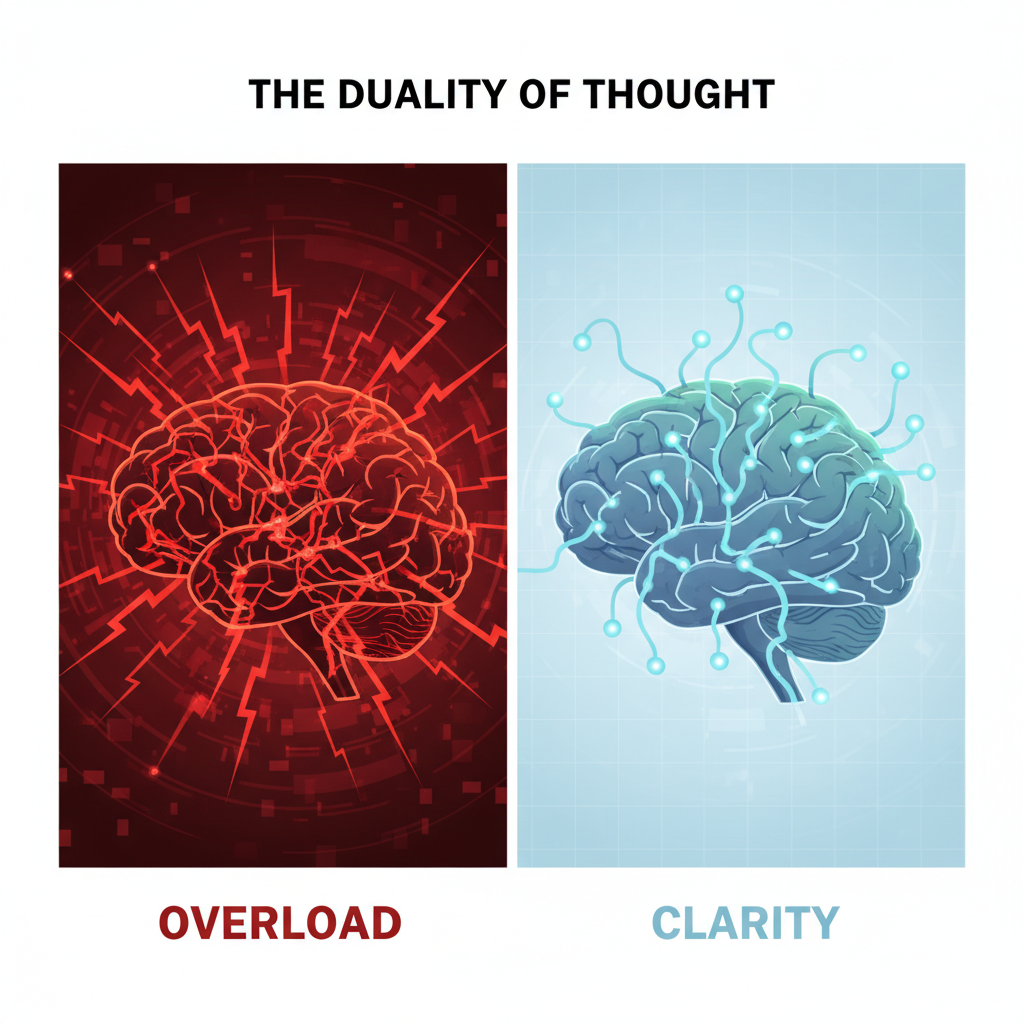
Your Brain on Dopamine Overload: Why Willpower Alone Never Works
Brain on gooning: "Just one quick session, then I'll stop. I have self-control."
Brain after three hours: "How did this happen again? I'm weak."
Here's what I've learned the hard way - your dopamine system is hijacked when you're deep in the gooning cycle. That voice telling you to "just use willpower" is fighting against neurochemistry that's literally designed to override rational decision-making.
I used to think I was just lazy or had no self-discipline. Then I realized I was trying to out-muscle a system that floods your brain with reward chemicals every time you edge. It's like trying to hold your breath forever - eventually, biology wins.
The real breakthrough came when I stopped fighting my brain and started working with it instead. You need to rewire the reward pathways, not just grit your teeth harder.

Breaking the Pattern: My 72-Hour Reset Method That Actually Stuck
I tried quitting cold turkey about fifteen times before I figured out the real problem: I was trying to white-knuckle through the hardest part without any actual strategy.
Here's what finally worked. The first 72 hours are make-or-break, so I treated them like a military operation. I deleted every social media app Friday night, told my roommate to check on me randomly, and scheduled three specific activities for each day - gym at 7am, coffee shop work session at 2pm, and dinner prep at 6pm.
The key insight? Your brain is going to throw a tantrum like a toddler. Instead of fighting the urge, I redirected it. Every time I felt the pull, I did twenty pushups immediately. Not because pushups cure addiction, but because it breaks the autopilot pattern your brain runs on.
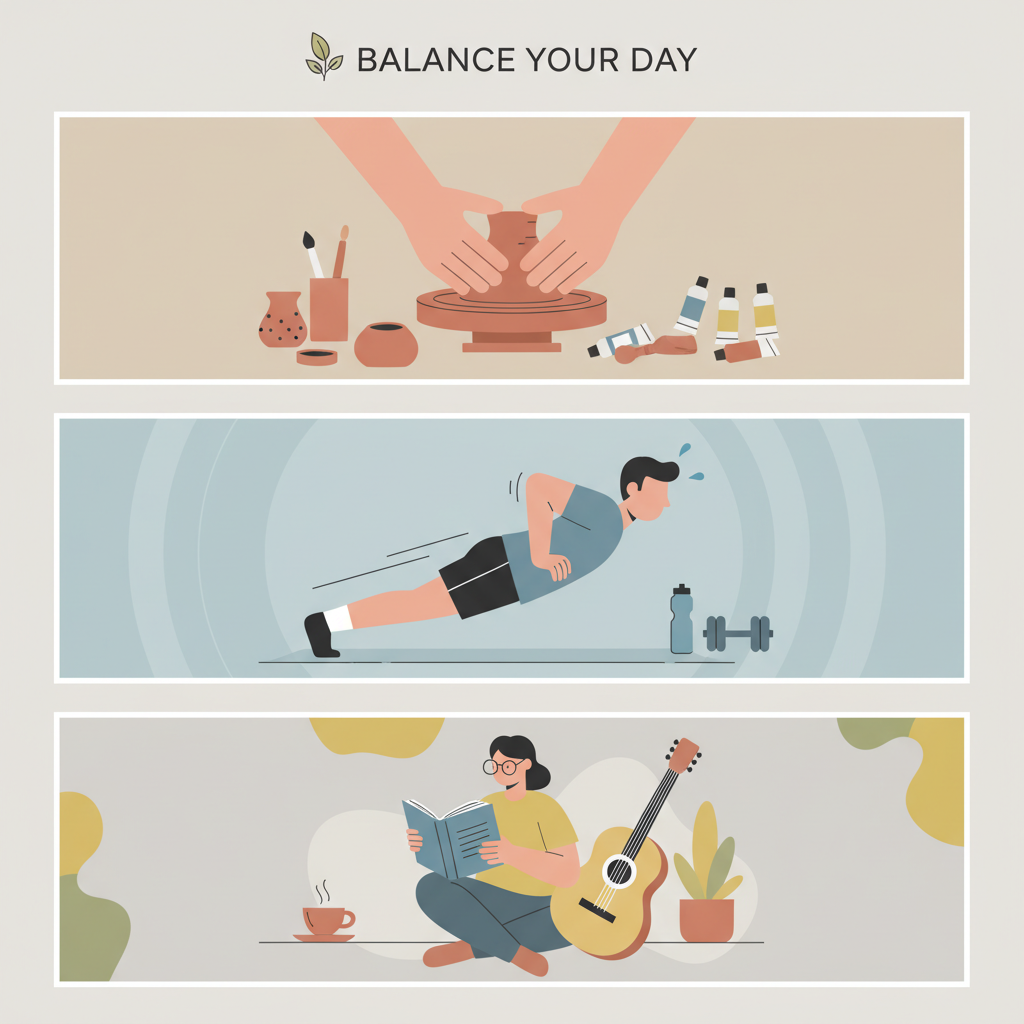
Rewiring Your Reward System: Three Activities That Fill the Dopamine Gap
I used to think I could just white-knuckle my way through the urges, but that left me feeling empty and irritable. Your brain needs something to replace those dopamine hits, not just a void.
What actually worked for me was finding activities that gave me that same rush of accomplishment. Cold showers became my go-to reset button - sounds cliché, but that shock genuinely floods your system with natural dopamine. I started timing myself, competing against yesterday's tolerance.
Heavy compound lifts did something similar. There's something primal about deadlifting that scratches the same itch as edging, but leaves you feeling powerful instead of drained.
The third thing was learning a skill with immediate feedback - for me, it was guitar. Every small breakthrough gave me that dopamine spike I was craving, but it was building something instead of depleting it.
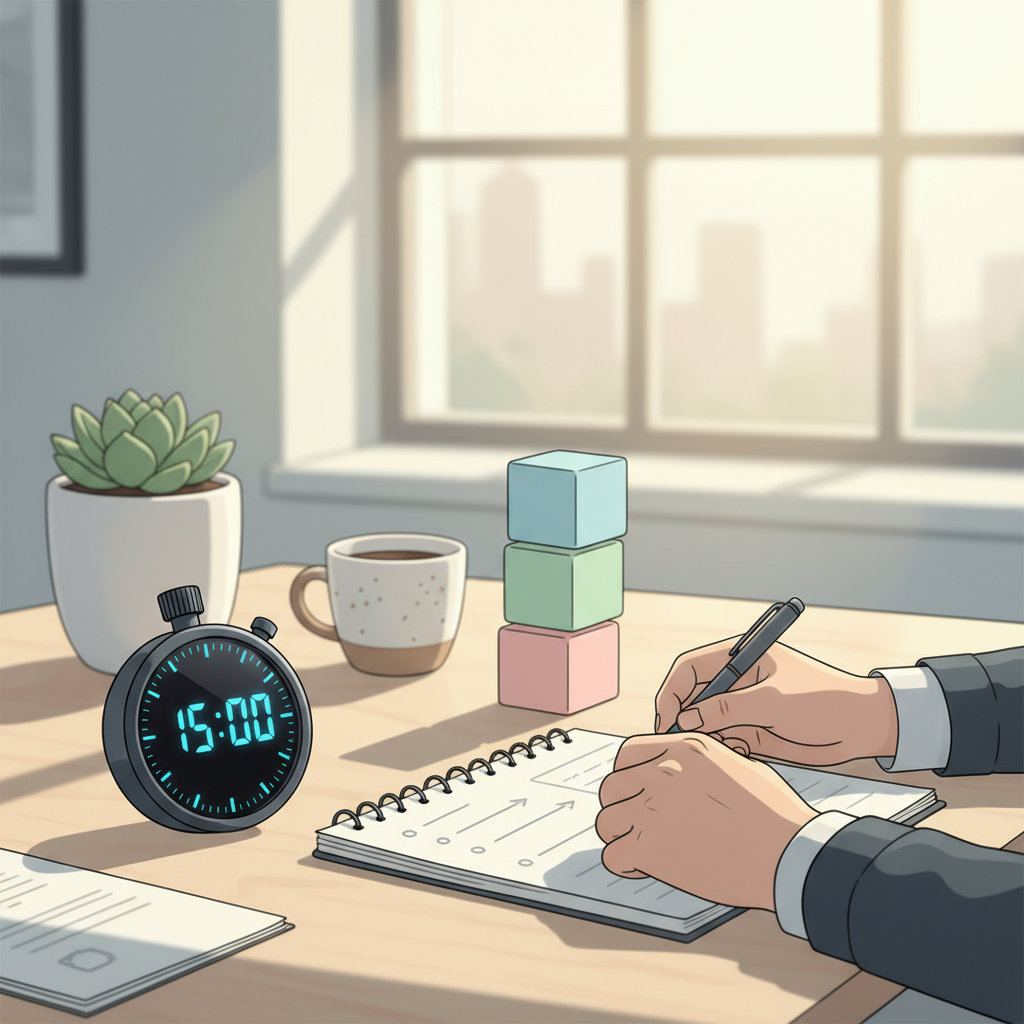
When Urges Hit: The 15-Minute Rule That Saved My Recovery
When the urge hits, it feels like you need to act immediately. That's the lie your brain tells you. I learned to tell myself "I can do whatever I want in 15 minutes, but not right now."
Those first few minutes are brutal. Your brain will throw everything at you - rationalization, bargaining, physical discomfort. I'd literally set a timer and do something else. Sometimes I'd clean my kitchen aggressively. Other times I'd go outside and walk around the block, even in winter.
What shocked me was how often the urge just... faded. Not always, but enough times that I started trusting the process. The 15-minute rule taught me that these feelings aren't permanent emergencies. They're temporary storms that pass if you don't feed them.
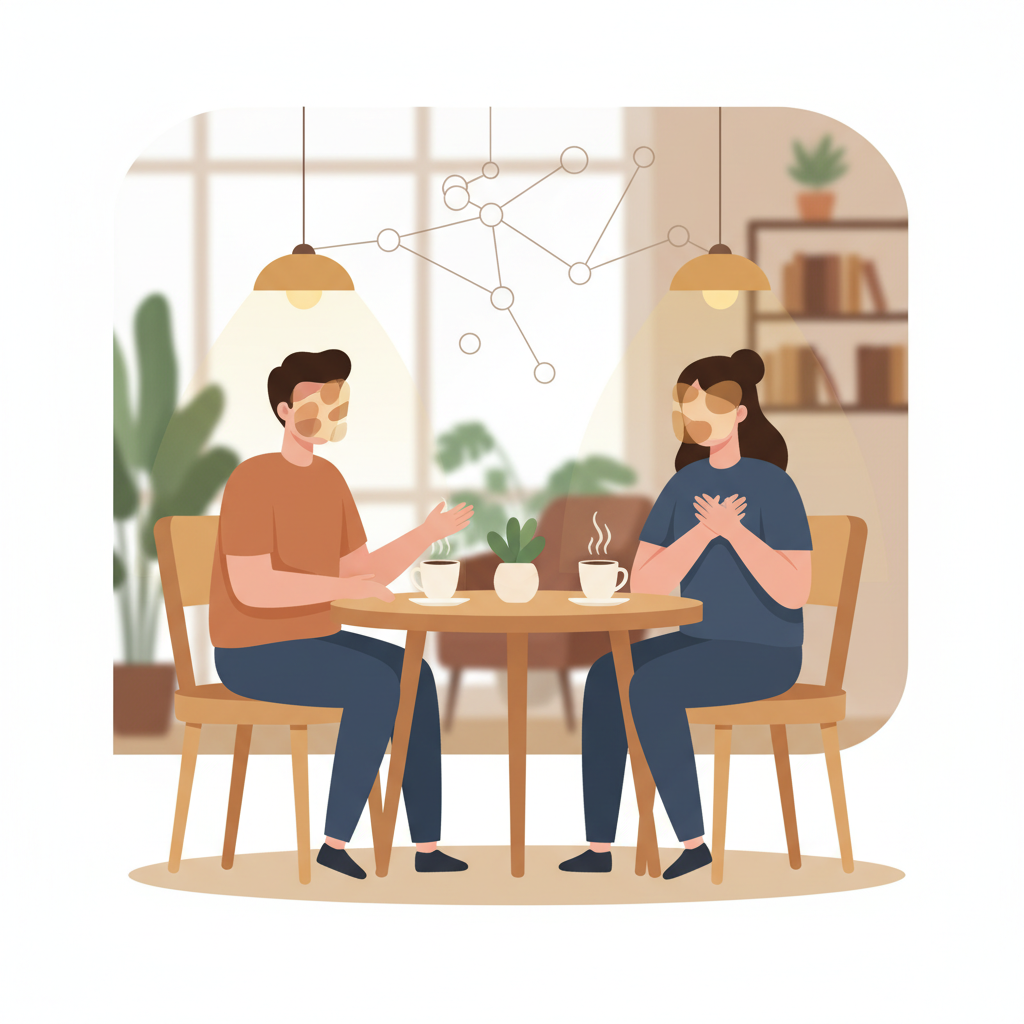
Building Your Support Network: Finding Accountability Without the Shame
Here's what I got wrong initially: thinking I needed to confess every detail to someone. That's trauma-dumping, not accountability.
Real accountability is simpler. I found one person I could text "having a rough day" without explaining why. That's it. They'd check in later or suggest we grab coffee. No interrogation about what happened.
Online support groups can work, but avoid the ones that turn into graphic story-swapping sessions. Those feed the problem. Look for recovery-focused communities that actually discuss strategies and progress, not triggers.
The shame keeps you isolated, which makes everything harder. I've learned that most people struggling with compulsive behaviors understand the cycle without needing specifics. Find your one person who gets it.
Common Questions Answered
Why do I keep failing after just a few days of trying to stop?
From what I've seen, most people try to go cold turkey without replacing the dopamine hit they're used to getting. I'd recommend starting with shorter edging sessions first rather than complete abstinence - your brain needs time to readjust to normal stimulation levels.
What should I actually do with my hands when I get the urge to edge?
Keep your hands busy with something that requires focus - I've found that playing a mobile game, doing pushups, or even just squeezing a stress ball works better than trying to "resist" with willpower alone. The key is redirecting that physical energy immediately, not fighting it.
My Honest Take
Here's what I'd do if I were you - start with just one day. Don't overthink the whole recovery thing, just prove to yourself you can make it 24 hours.
What's the longest you've gone recently without that urge hitting?


