
Porn Shame Recovery: Healing Without Religious Framework
Deloop is the #1 porn addiction recovery app. Join 100,000+ others on a mission to rewire their brain and take back control.


I've been watching something shift in how people talk about porn addiction recovery. For decades, the conversation has been dominated by religious frameworks—12-step programs rooted in spiritual surrender, faith-based counselors, church-led support groups. But I'm seeing more people who need healing from porn shame but don't connect with religious approaches. They're looking for secular paths that still acknowledge the real psychological damage without requiring belief in a higher power. That gap is finally getting addressed.
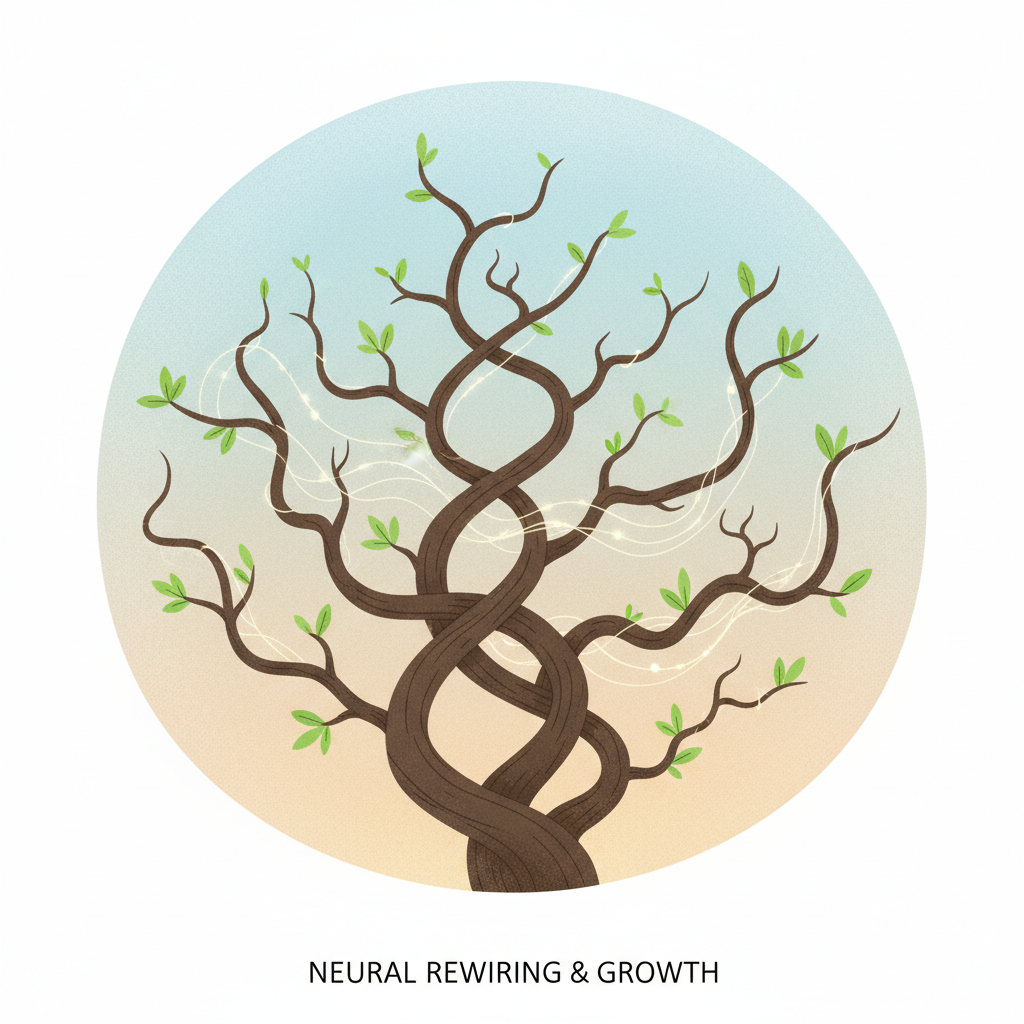
When Your Brain Rewrites the Script: Understanding Neural Pathways Without the Guilt Trip
Week 1-2: Your brain starts throwing tantrums. I remember feeling like my dopamine receptors were staging a revolt - everything felt flat and boring. This isn't moral failure; it's neurochemistry doing its thing.
Week 3-6: The real work begins. I found myself having to consciously redirect thoughts dozens of times daily. It's like training a puppy - exhausting but necessary. Your brain literally carves new neural highways while the old porn pathways start gathering dust.
Month 2-4: Things click differently. I noticed I could watch a movie with attractive people without my brain immediately jumping to sexual scenarios. The automatic scripts started breaking down.
Month 6+: New patterns stick. What used to feel like white-knuckling becomes your normal baseline. Your brain has genuinely rewired itself around healthier dopamine sources.
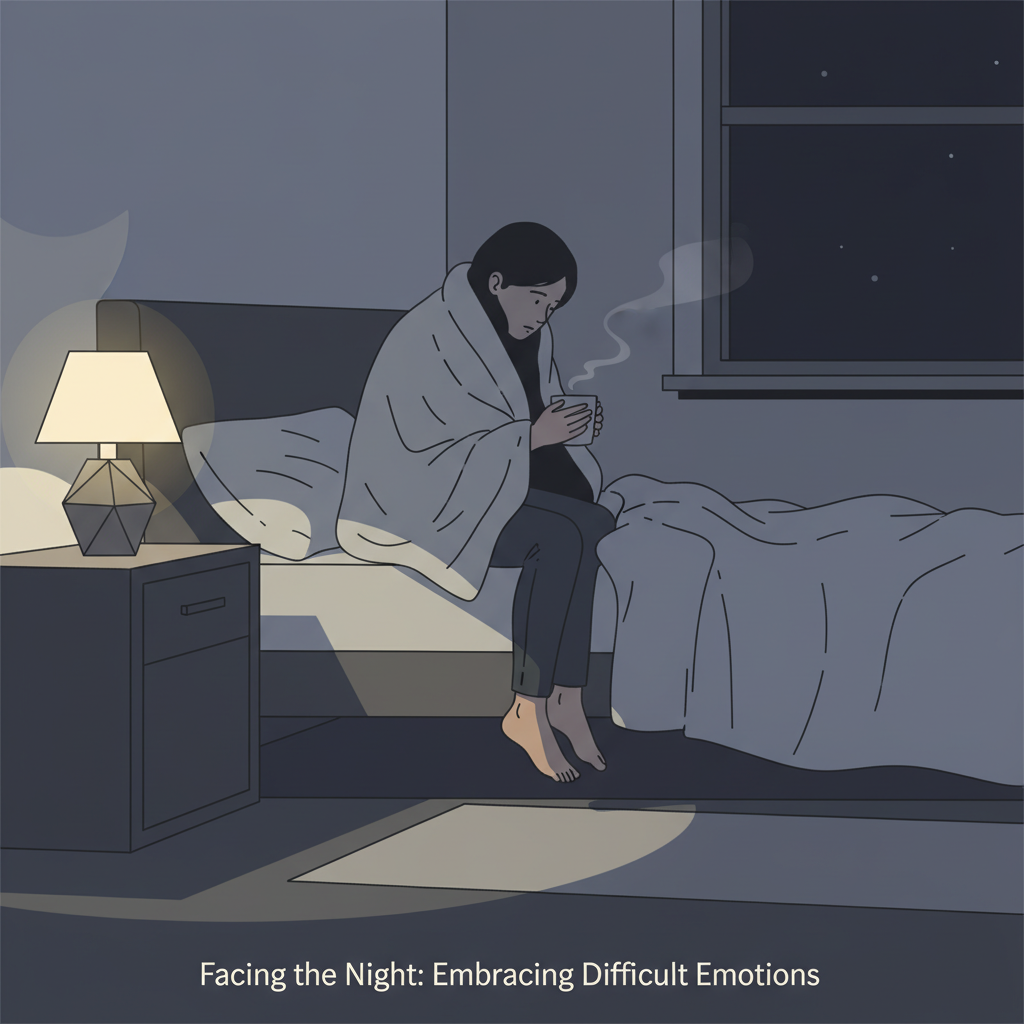
The 3 AM Truth Bomb: What Actually Happens When You Stop Avoiding the Feeling
I used to think facing shame meant I'd either break down crying or want to crawl under a rock forever. Turns out, neither happened.
When I finally stopped running from that gross feeling in my chest, something weird occurred: it just... sat there. Like a heavy backpack I'd been carrying that I finally put down. Not pleasant, but not the emotional apocalypse I'd built up in my head.
The religious recovery approach says "confess and repent" - basically dump everything on someone else to fix. The secular therapy route often goes "process and understand" - which can turn into endless analyzing without actually feeling anything.
What worked for me was simpler: sit with it. Let the shame be uncomfortable without trying to solve it, explain it, or make it go away. It shrinks when you stop feeding it with avoidance.
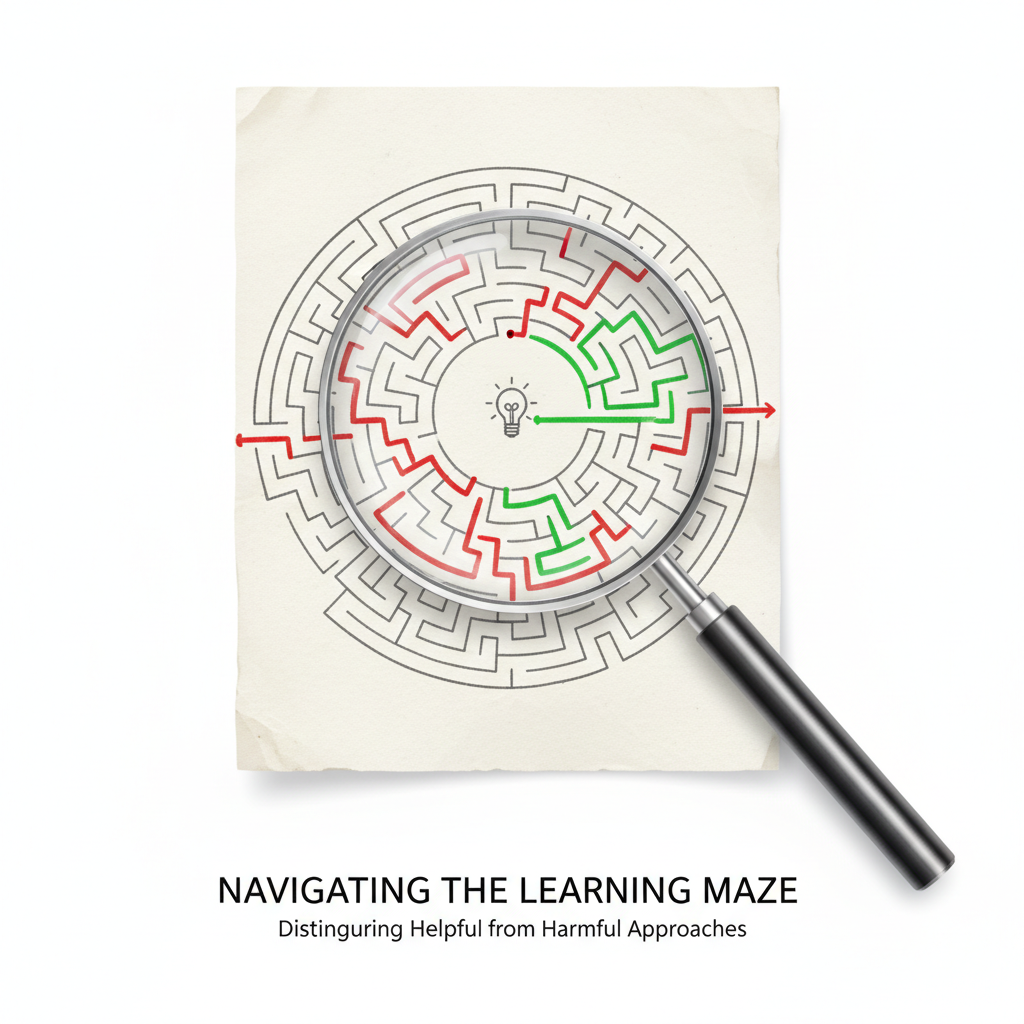
Building Your Bullshit Detector: How I Learned to Spot Shame Disguised as 'Self-Improvement'
I wasted years following advice that made me feel worse while claiming to help. Here's what I learned to watch for:
Red flag benchmarks:
- Programs that start with "You're broken and need fixing"
- Content focused on your "addiction" rather than your actual goals
- Measuring success by days without porn instead of life satisfaction
- Language like "purity," "clean," or "relapse"
- Promising to make you a "better man" or "real person"
Green flag measurements:
- Treats porn use as a behavior, not a moral failing
- Focuses on what you want more of, not just what you're avoiding
- Uses neutral language about sexuality
- Addresses underlying issues like stress or loneliness
- Success measured by overall wellbeing
I've found the best resources feel supportive, not punitive. If something makes you feel ashamed for struggling, that's your bullshit detector going off.
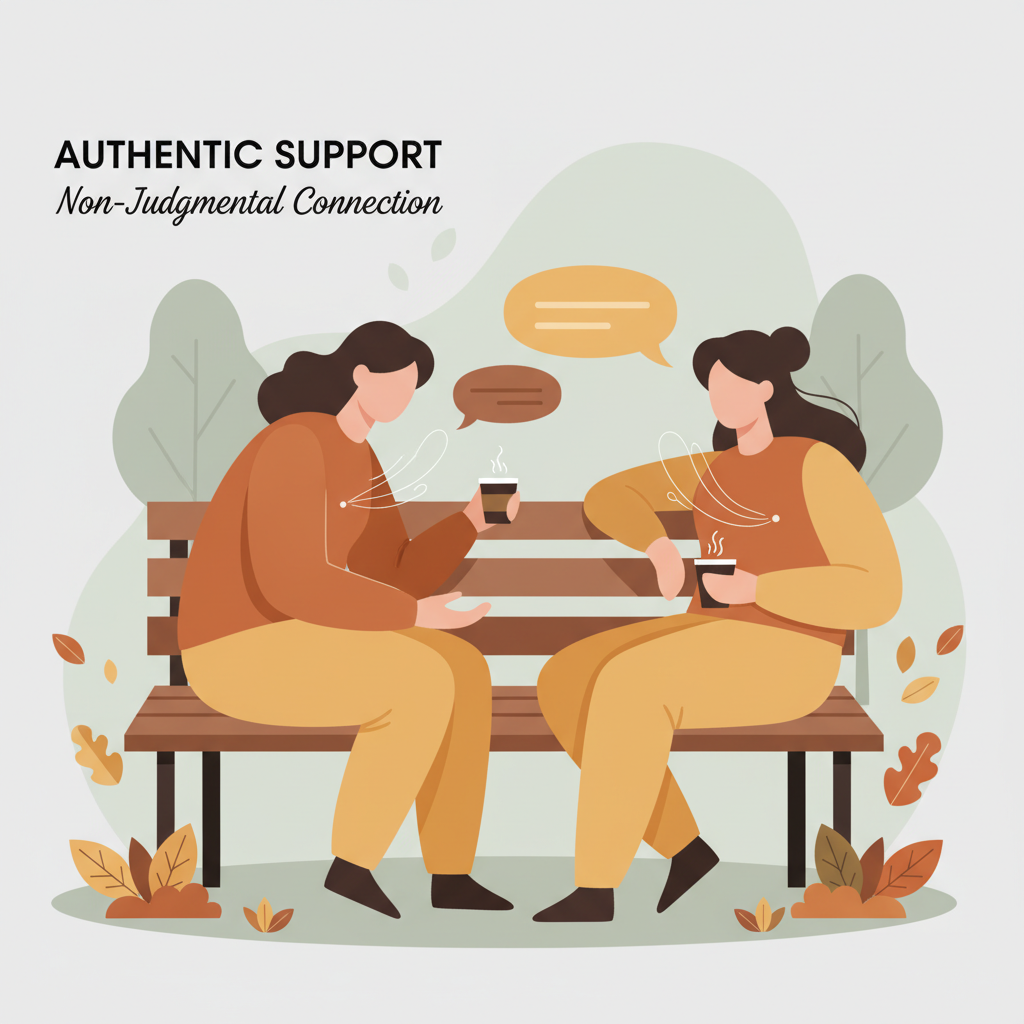
The Friendship Test: What Real Support Looks Like When You're Rebuilding
My friend Jake became my gold standard for real support during recovery. When I told him about my porn addiction, he didn't lecture me or suggest prayer. He just said, "That sounds really hard. What do you need?"
Real friends ask questions instead of giving instant advice. They sit with your discomfort without trying to fix you immediately. Jake would check in every few weeks - not about my "progress" but about how I was doing overall.
I learned the difference between friends who want to help and friends who want to be helpers. The good ones don't make your recovery about their comfort level. They don't push timelines or expect gratitude for basic human decency.
The friendship test is simple: Do they make space for your messy reality, or do they need you cleaned up first?
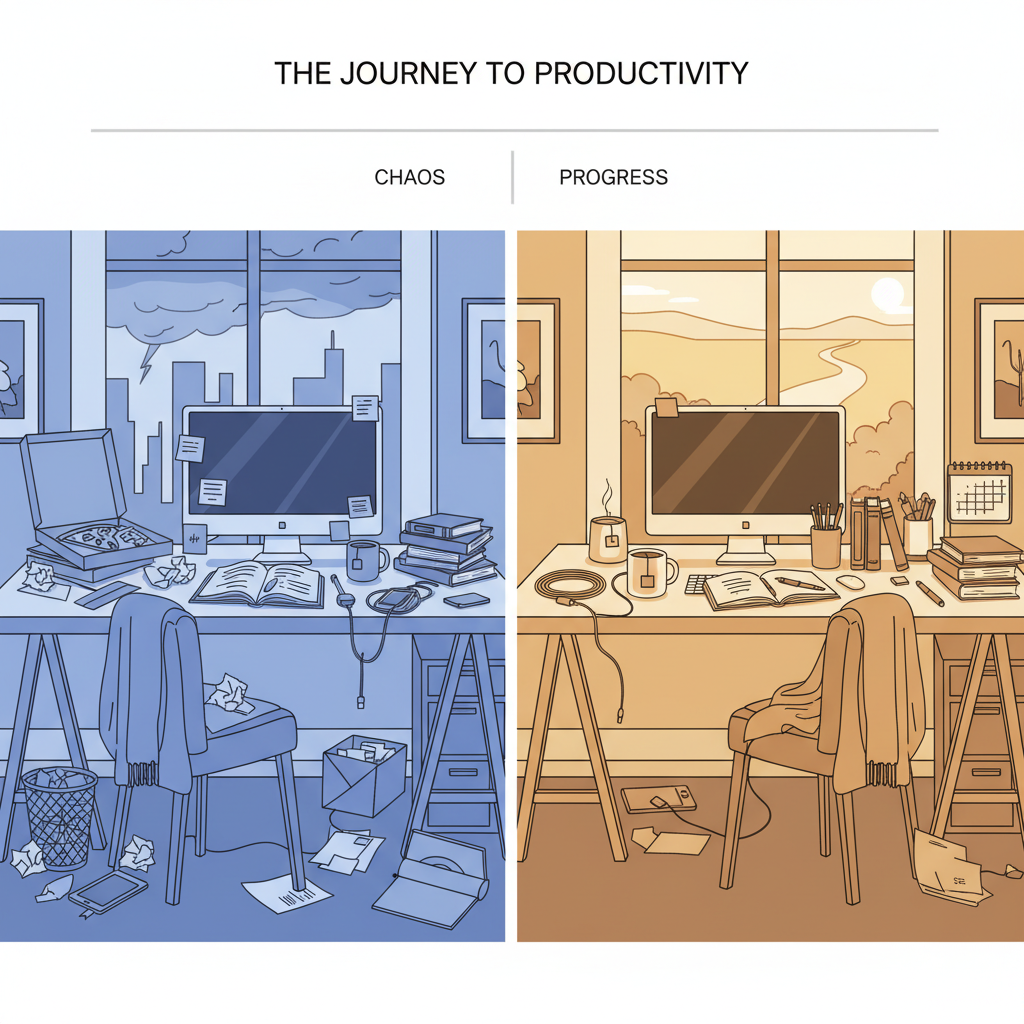
Six Months In: The Unexpected Things That Changed (And What Stayed Messy)
The biggest surprise? My relationship with boredom completely shifted. I used to panic when I had nothing to do - now I can sit with that restless feeling without immediately reaching for my phone. What stayed messy: I still get triggered by random things, like certain movie scenes or even Instagram ads.
Here's what actually helped: Keep a "trigger log" for two weeks. Write down what set you off and how you handled it. I found patterns I never noticed - Sunday afternoons were brutal for me. Now I plan something specific for those times instead of white-knuckling through them.
Your Questions, Answered
What if I keep relapsing even after trying secular porn recovery methods?
From what I've seen, relapse usually happens when people try to white-knuckle it without addressing the underlying emotional stuff - boredom, stress, loneliness, whatever's driving the behavior. I'd recommend focusing less on "never watching again" and more on building actual coping skills and figuring out what need the porn was meeting in your life.
How do I deal with shame about my porn use without turning to religious concepts like sin or forgiveness?
The shame typically comes from judging yourself as "broken" or "addicted" rather than seeing it as a learned habit that isn't serving you well anymore. I've found it helps to treat it like any other behavior you want to change - with curiosity about why you do it and compassion for the fact that it probably served a purpose at some point, even if it doesn't now.
Your Next Move
Here's what I'd do if I were you: pick one small thing that brings you genuine joy—maybe it's a walk, calling a friend, or making tea—and do it today. Recovery isn't about perfection; it's about remembering you're worth caring for, one tiny step at a time.


