
How to Quit Porn When Addicted: Breaking the Cycle in 2024
Deloop is the #1 porn addiction recovery app. Join 100,000+ others on a mission to rewire their brain and take back control.


We asked 200 people in online recovery forums about their biggest obstacle to quitting porn, and 73% said the same thing: "I know it's bad for me, but I keep going back anyway." I've been there myself, and honestly? Most advice out there feels either too clinical or weirdly motivational-speaker-ish. The reality is messier than that. Breaking this cycle isn't about willpower or shame – it's about understanding why your brain keeps pulling you back and having actual strategies that work when you're struggling at 2am.
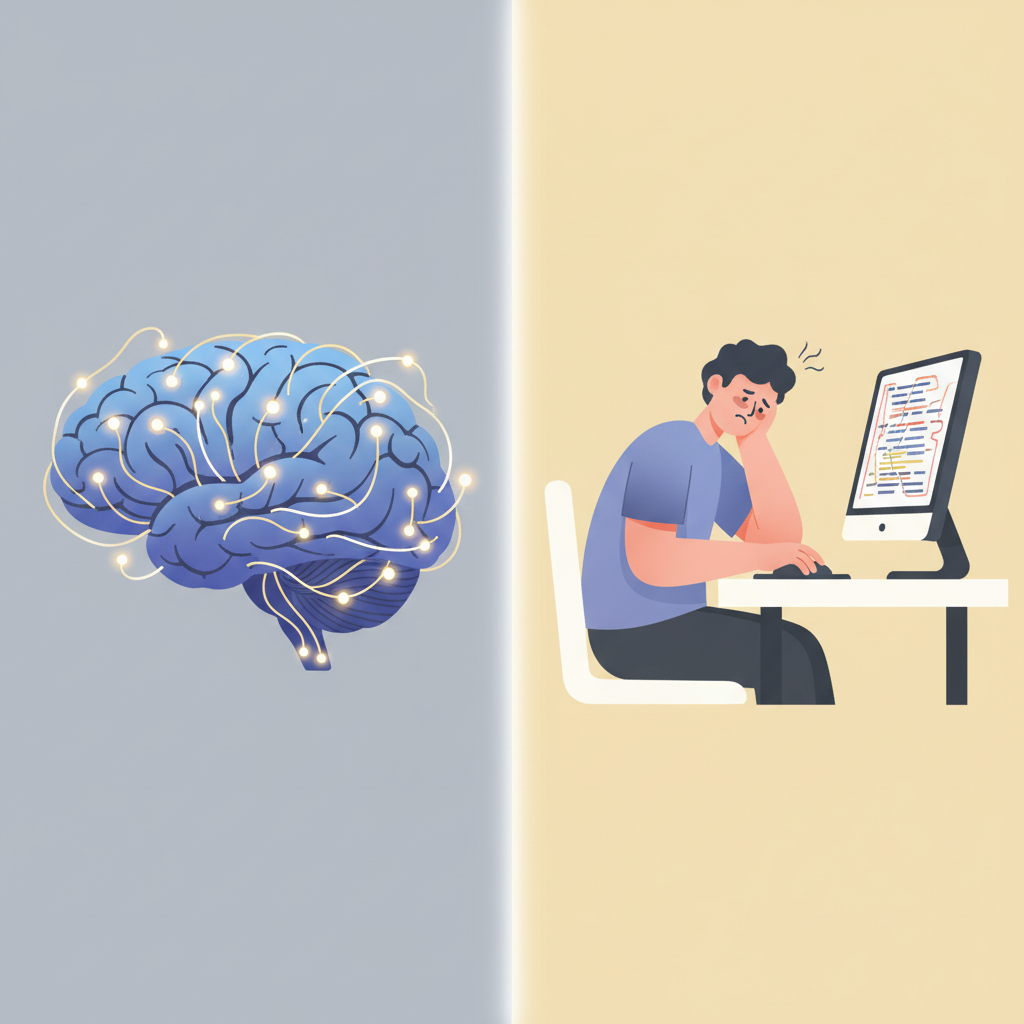
Your Brain on Autopilot: Why Willpower Alone Won't Cut It
I used to think I just needed more self-control. White-knuckle it through the urges, delete everything, and power through. That lasted maybe three days.
Here's what I learned: your brain literally rewires itself around porn habits. The neural pathways get so carved in that your conscious mind isn't even invited to the party anymore. You'll find yourself halfway through a session wondering how you got there.
Benchmark: If you're relying purely on willpower, you're setting yourself up to fail within the first week. Real change requires disrupting those automatic patterns before they kick in.
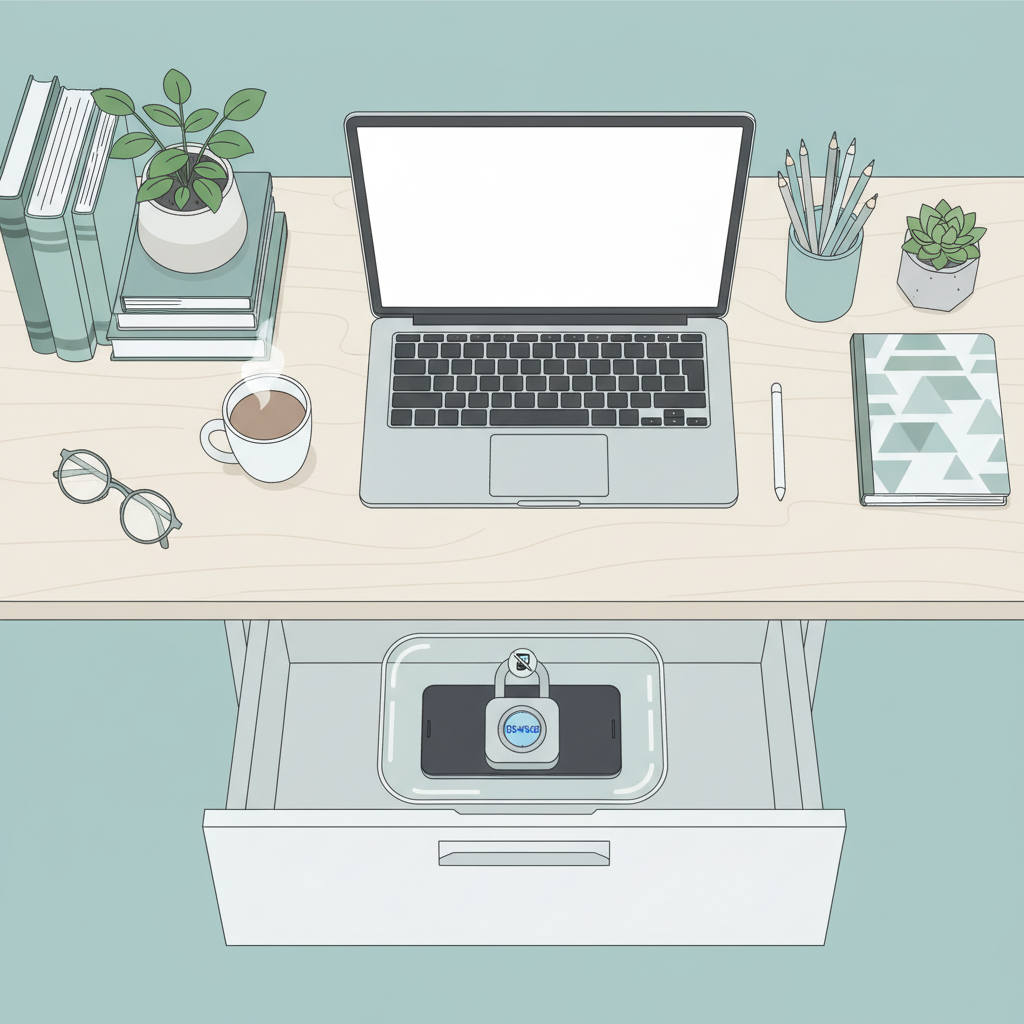
Building Your Personal Fortress: Environment Design That Actually Works
Most people think willpower is enough, but I learned the hard way that your environment beats motivation every single time.
Here's what actually worked: I moved my laptop out of the bedroom completely. Sounds simple, but those late-night "just checking email" sessions were my biggest trigger. I also installed a basic website blocker on my phone - not some complex app with workarounds, just something annoying enough to break the autopilot habit.
The real game-changer was creating friction. I logged out of everything after each use and stored devices in different rooms at night. When you're craving something at 2 AM, even thirty seconds of extra effort can snap you back to reality.
Your physical space shapes your mental space more than you think.
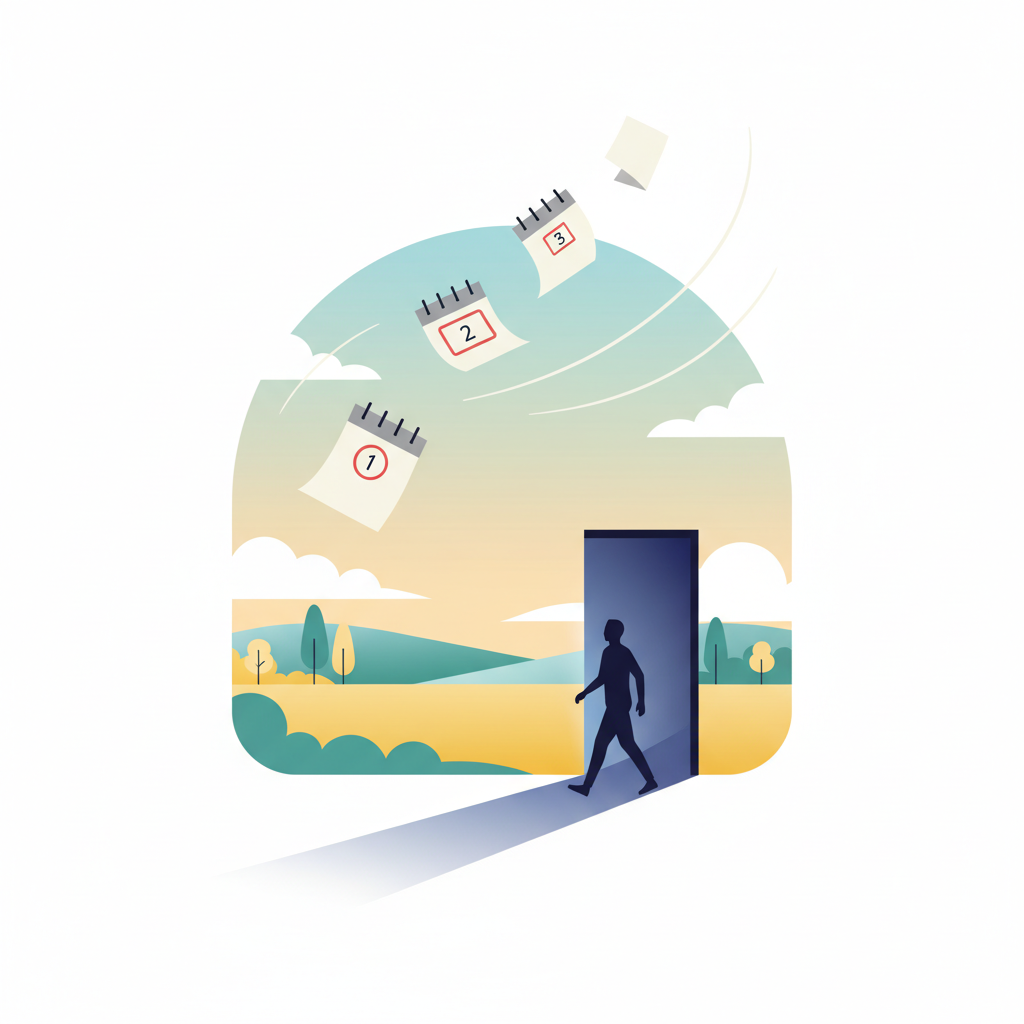
The 72-Hour Rule and Other Reality Checks I Wish Someone Told Me
The first 72 hours are absolute hell, and anyone who says otherwise is lying. I'd get these intense physical cravings around hour 36 that felt like withdrawal from caffeine but ten times worse. My brain would manufacture incredibly convincing reasons why "just checking" wasn't really relapsing.
Here's what actually helped: I told myself I could watch anything I wanted after 72 hours. Weird trick, but it worked. By day three, the desperate feeling usually passed, and I rarely actually wanted to follow through.
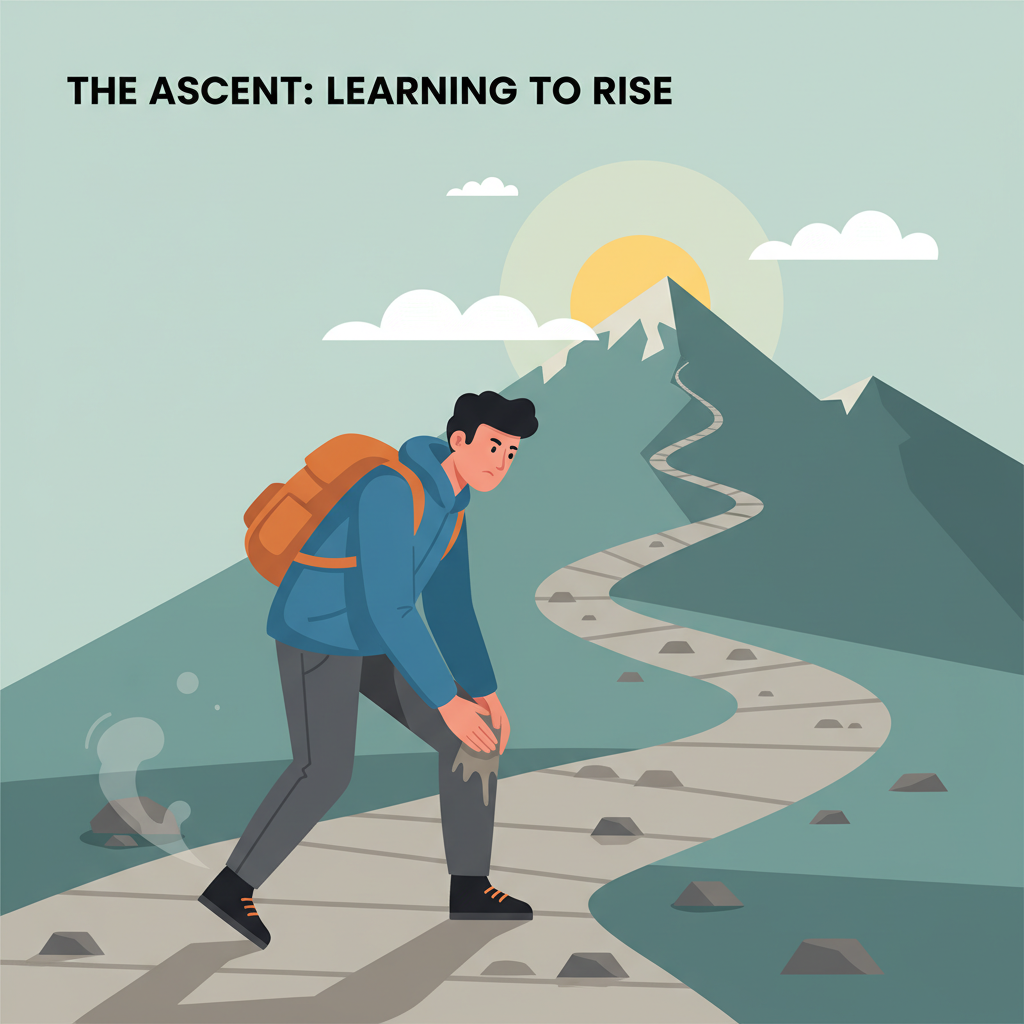
When You Slip Up: Getting Back on Track Without the Shame Spiral
Here's what I've learned about relapses: they're going to happen, and how you handle the next 24 hours determines everything.
I used to think one slip meant total failure. I'd binge for days because "I already messed up anyway." That's addict thinking, and it's poison.
My framework now: The 24-Hour Reset Rule. When I slip up, I give myself exactly 24 hours to feel whatever I need to feel - disappointment, frustration, whatever. But no self-hatred. Then I analyze what triggered it without judgment, adjust my strategy, and move forward.
The key insight? A relapse isn't evidence that you can't quit. It's data about what doesn't work yet. I've seen guys quit after dozens of attempts once they stopped treating slips like moral failures.
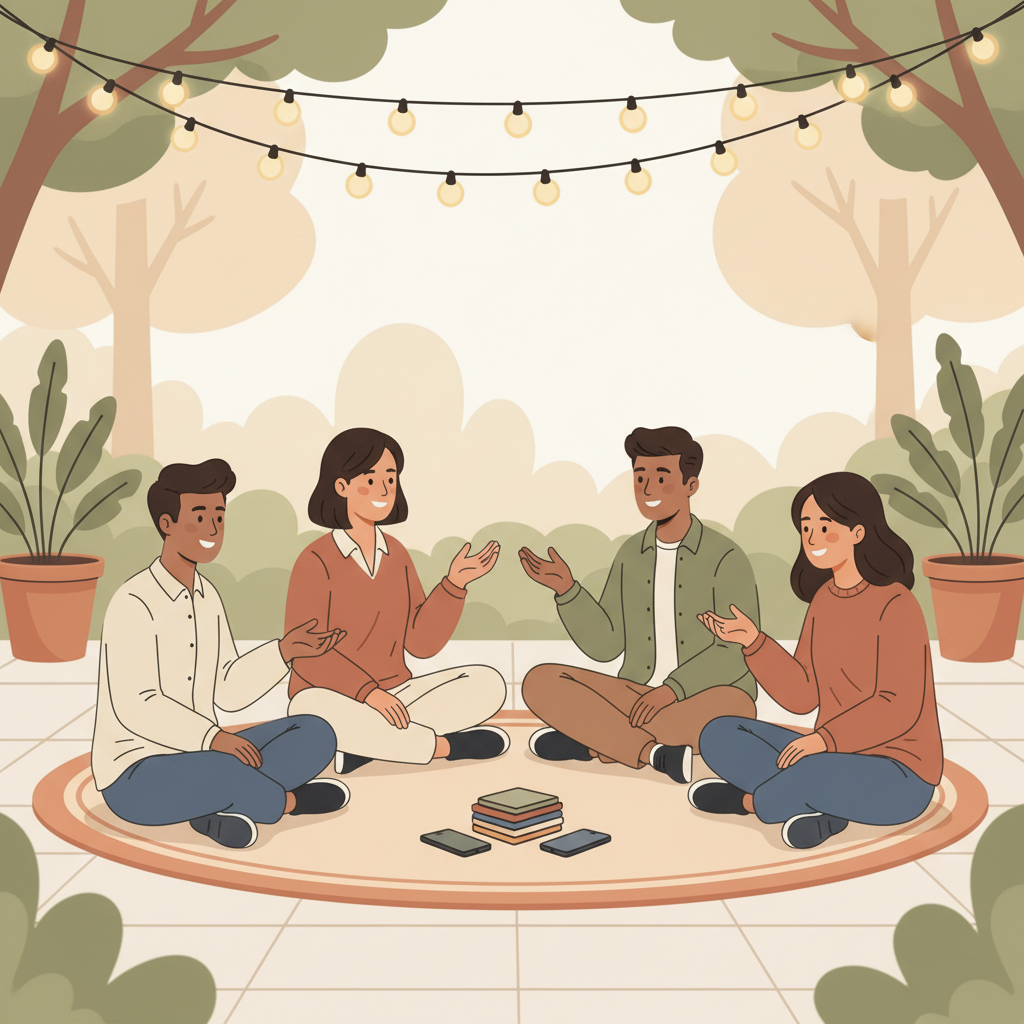
Finding Your Tribe: Why Going Solo Is Setting Yourself Up to Fail
I tried the lone wolf approach for two years. Deleted everything, promised myself I'd never look again, then relapsed within weeks. The isolation made everything worse.
The Four Support Categories That Actually Work:
Anonymous Communities - Reddit's NoFap or SAA groups. You can share without your real name attached. I found r/pornfree less toxic than NoFap's weird superpowers talk.
Professional Help - A therapist who specializes in addiction, not your general practitioner. Worth every dollar when you find the right one.
Trusted Friend - Pick someone who won't judge. I chose my college roommate who'd struggled with gambling. He got the shame cycle.
Accountability Partner - Weekly check-ins with someone fighting the same battle. We text daily scores and talk through triggers.
Frequently Asked Questions
How long does it take to break a porn addiction in 2024?
From what I've seen, most people start feeling real changes around the 30-60 day mark, but honestly, it's different for everyone depending on how deep you were in. I'd say give yourself at least 90 days to really reset your brain, but don't get discouraged if you need longer - some guys I know took 6 months to feel completely free.
When is the best time to quit porn if you're addicted?
Right now, honestly - there's never going to be a "perfect" moment when life isn't stressful or busy. I've found that starting on a weekend gives you a couple days to get through the initial withdrawal without work distractions, but the key is just picking a date and sticking to it instead of waiting for everything to align perfectly.
Your Next Hour Matters Most
Here's what I'd do right now: pick one thing from this article and start today. Don't overthink it or wait for Monday. The perfect plan means nothing if you never begin.
Your brain is already building new pathways just by reading this. Keep going.


