
How Long Does Dopamine Reset Take: Timeline for Porn Addicts
Deloop is the #1 porn addiction recovery app. Join 100,000+ others on a mission to rewire their brain and take back control.


I've watched countless guys ask the same desperate question: "When will I feel normal again?" They're three weeks into quitting porn, still feeling like zombies, wondering if their brain chemistry is permanently broken. Here's what I've learned about dopamine reset timelines - and why understanding this process might be the difference between relapsing next week or actually building the life you want.
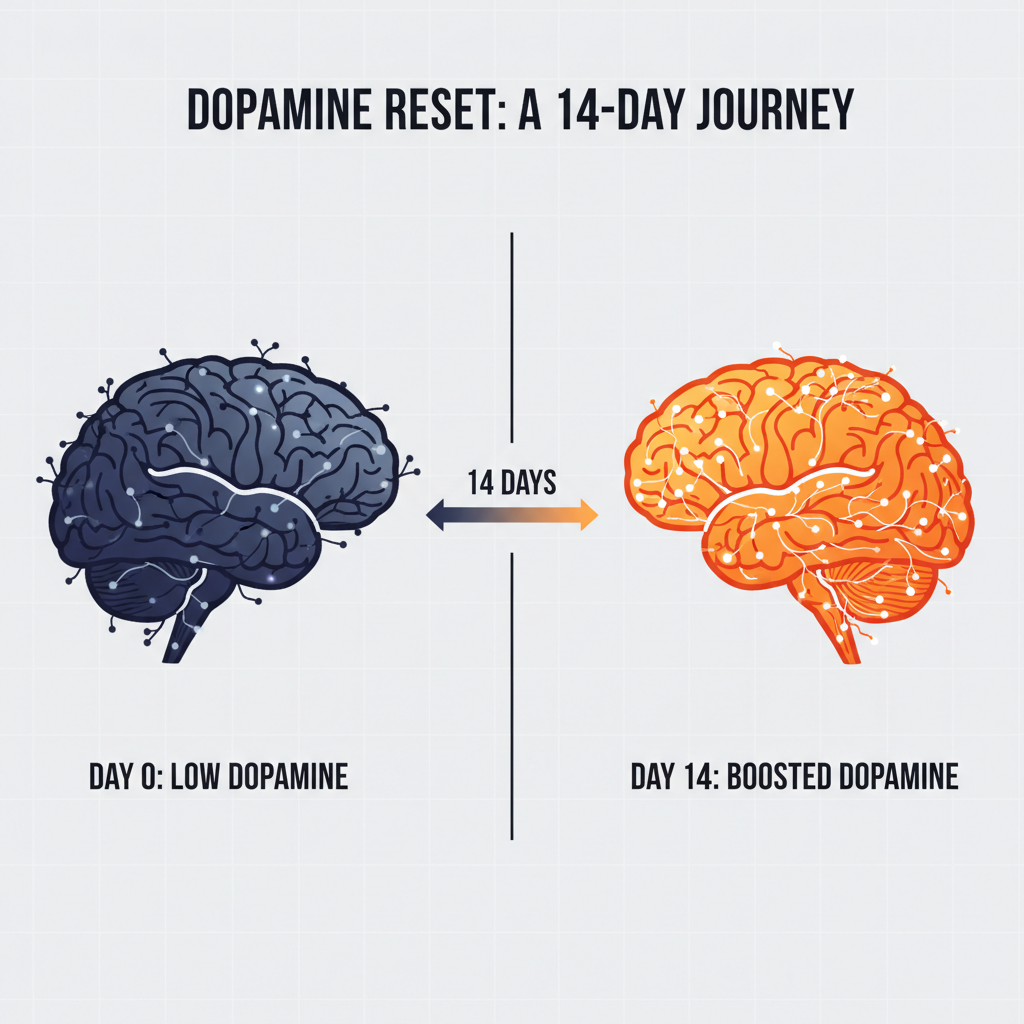
Week 1-14: The Withdrawal Gauntlet Your Brain Actually Goes Through
Mistake #1: Thinking "flatline" means you're broken forever
I've watched guys panic during the 2-4 week flatline period, convinced they'll never feel aroused again. Your brain isn't dead - it's literally rewiring itself. Stop checking if your equipment works every five minutes.
Mistake #2: Fighting the brain fog instead of working with it
Week 3-8 feels like thinking through molasses. I tried powering through complex work tasks and just got frustrated. Schedule easier stuff during this phase. Your mental clarity will return.
Mistake #3: Expecting linear progress
You'll have good days around week 6, then crash hard at week 10. This isn't failure - it's normal neuroplasticity doing its messy work.
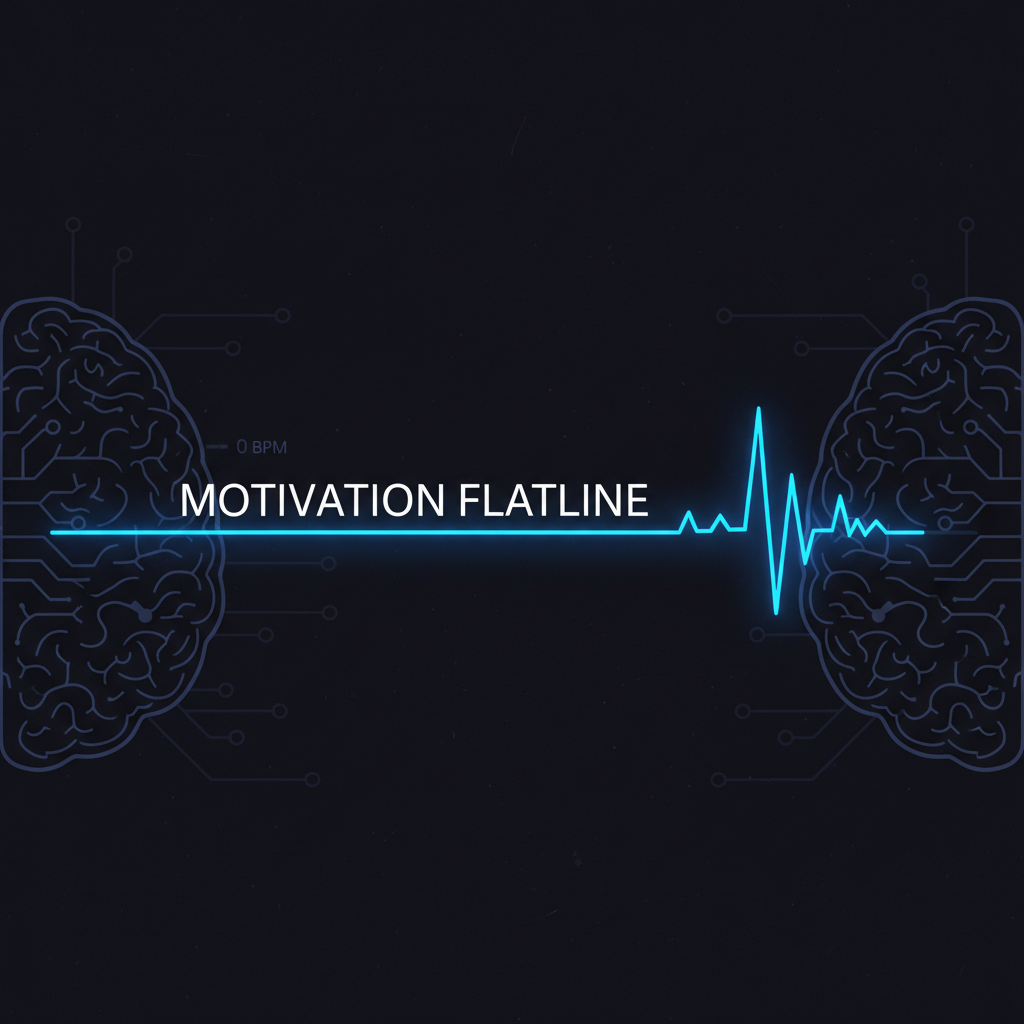
Days 15-90: When Flatline Hits and Why Your Motivation Disappears
The Reality: This is where most people quit. Your brain basically goes into hibernation mode - I've seen guys describe it as feeling like a zombie. No motivation for anything, not just porn. Work feels impossible, socializing becomes exhausting, even your favorite hobbies feel pointless.
Pros:
- Your brain is actually healing (even though it feels terrible)
- Urges for porn almost disappear completely
- You're past the hardest withdrawal phase
Cons:
- Zero motivation for healthy activities too
- Depression-like symptoms are common
- Many people relapse just to feel something again
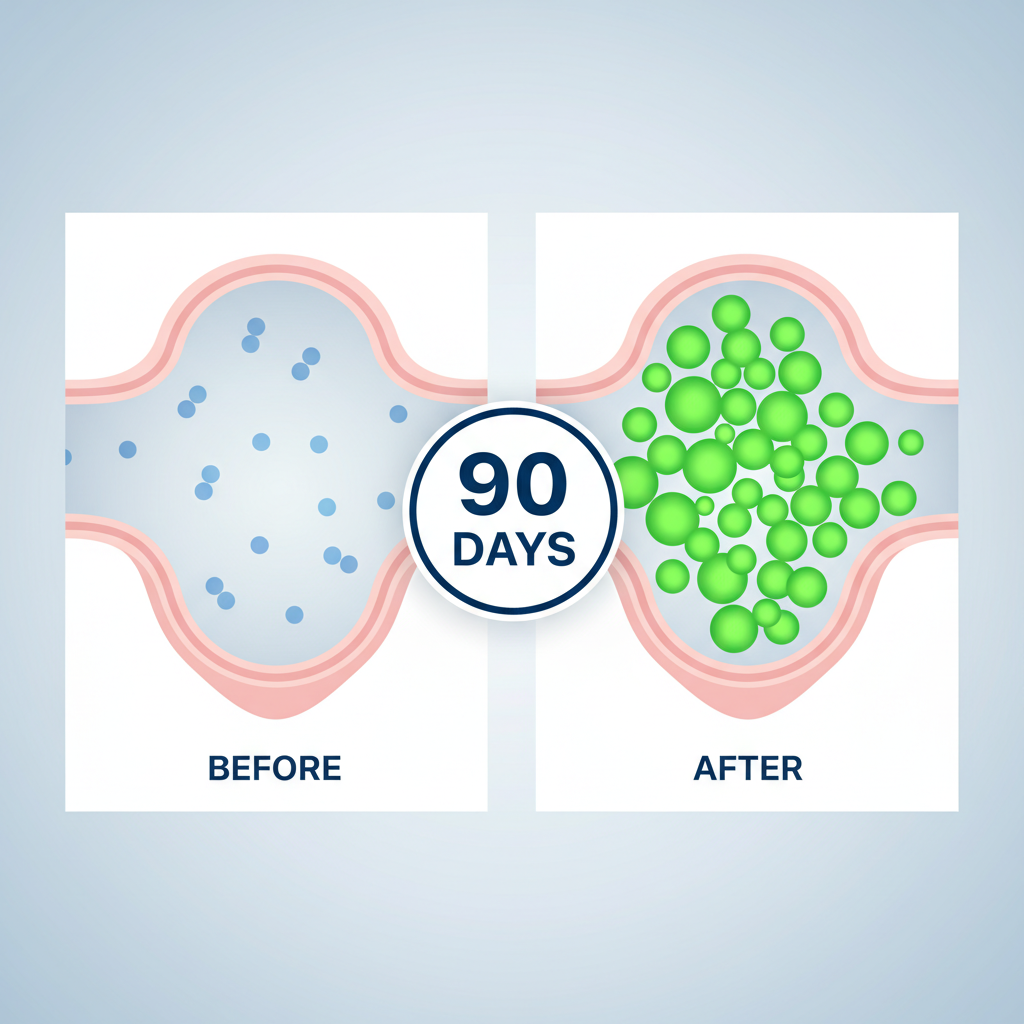
The 90-Day Mark: What Actually Changes in Your Reward System
Around day 90, I noticed something clicked differently in my brain. The constant mental fog started lifting, and normal activities genuinely felt rewarding again - not just tolerable, but actually satisfying.
What professionals call "hedonic reset" basically means your dopamine receptors stop being numb to everyday pleasures. I could enjoy a decent meal, laugh at something funny, or feel accomplished after finishing basic tasks. Before this point, nothing felt worth doing unless it was extremely stimulating.
The key marker I watch for with people is when they stop needing constant entertainment. You'll find yourself okay with quiet moments, maybe even preferring them. Your brain isn't desperately seeking the next hit anymore - it's actually processing and appreciating what's in front of you.
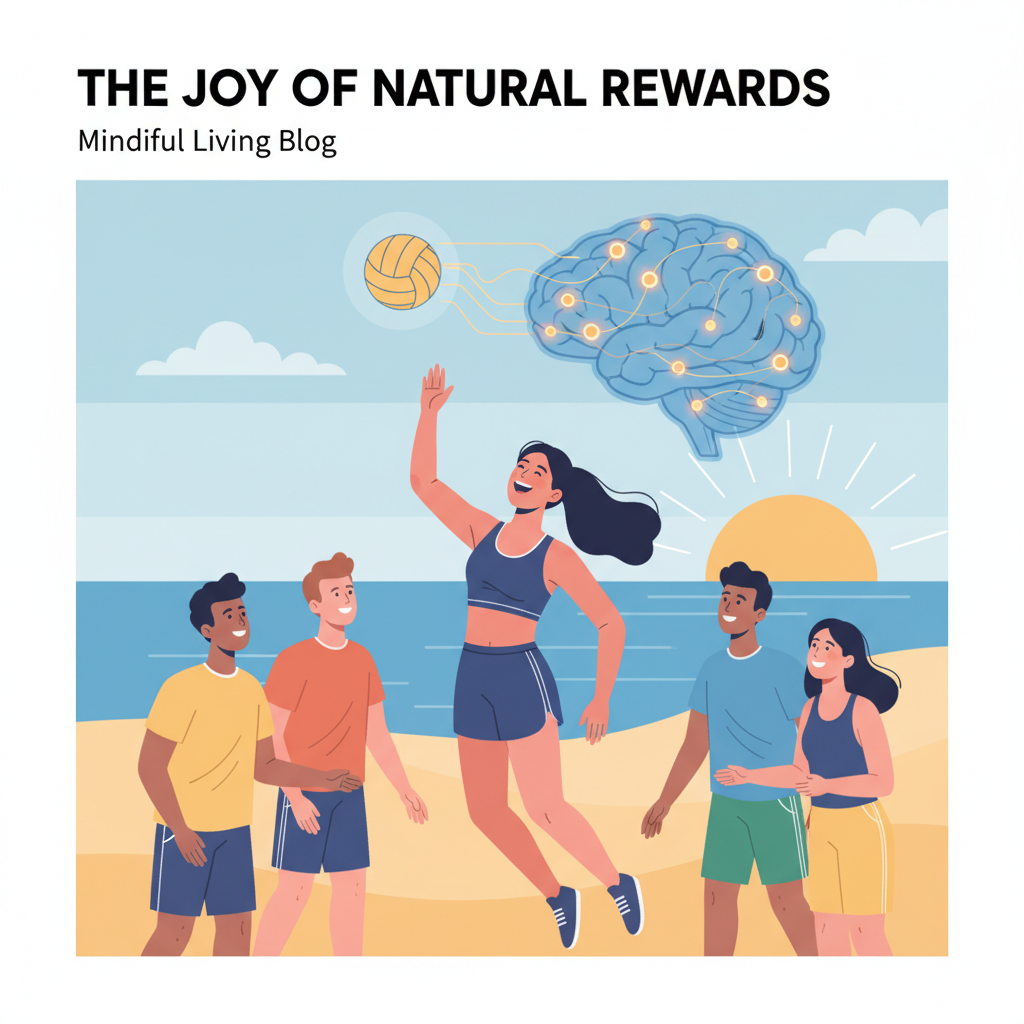
Months 4-12: Rebuilding Natural Pleasure Response Without Relapse
This stretch is where I learned the difference between white-knuckling and actually healing. Your brain starts responding to normal stuff again—food tastes better, music hits different, conversations become genuinely interesting instead of just noise between urges.
But here's the catch: you're not bulletproof yet. I relapsed twice around month 6 because I got cocky and thought I could handle "just checking" social media without filters. That set me back weeks each time.
What actually worked was building new reward pathways deliberately. I picked up guitar, started cooking elaborate meals, got into hiking. Your dopamine system needs something to latch onto that isn't a screen. The goal isn't to become a monk—it's to remember what normal human pleasure feels like.
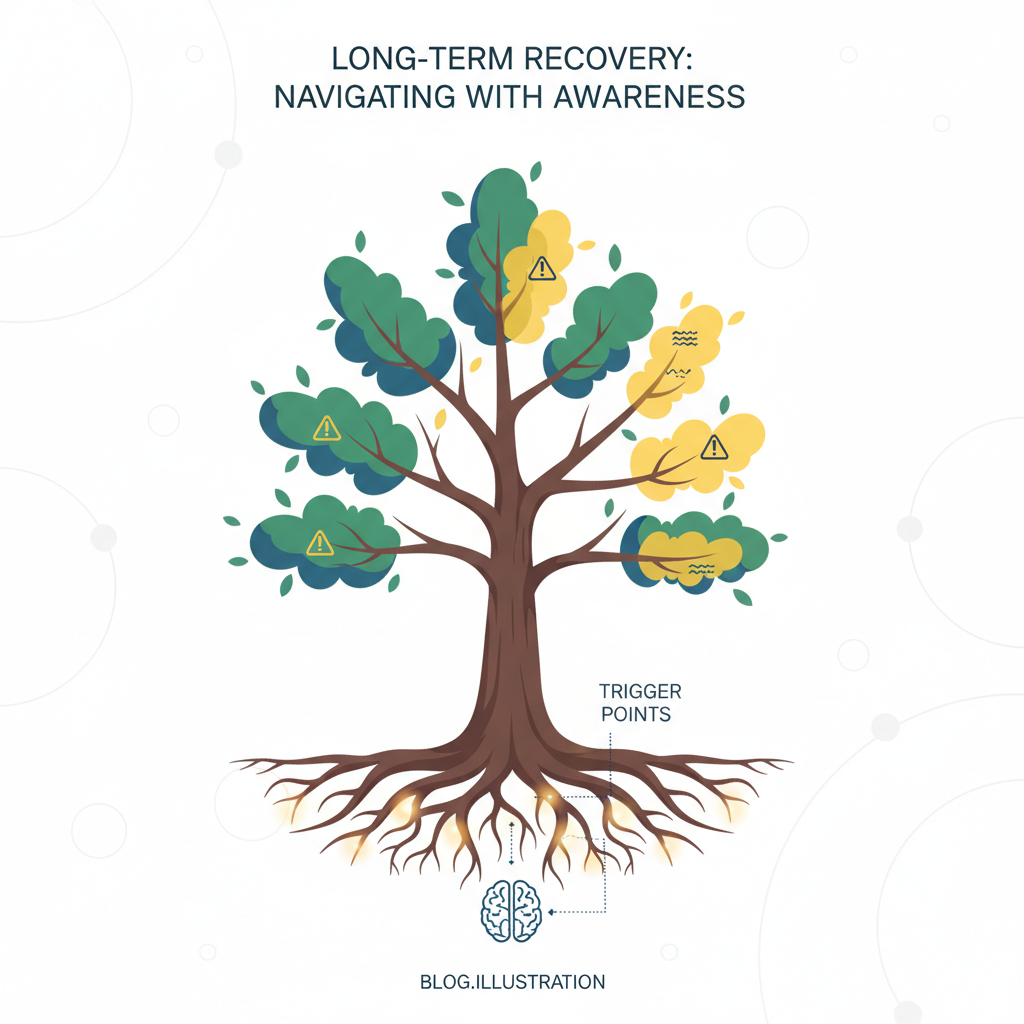
Beyond Year One: Permanent Changes vs Ongoing Vulnerability Points
I've tracked my own patterns and talked with dozens of guys past the one-year mark - here's what actually sticks versus what stays fragile.
Permanent changes I've observed:
- Sexual preferences genuinely shift back to real intimacy
- The compulsive "hunting" behavior mostly disappears
- Normal stress doesn't immediately trigger porn thoughts
- You can handle basic triggers like bikini ads without spiraling
Ongoing vulnerability points that surprised me:
- Major life stress (job loss, breakups) can bring back intense urges even at 18+ months
- Alcohol consistently lowers defenses - I've seen multiple relapses here
- Boredom plus phone access remains dangerous indefinitely
- Success gets you overconfident ("I'm cured") right before a relapse
The guys who stay clean long-term treat it like managing diabetes - permanent lifestyle adjustments, not a one-time fix.
Frequently Asked Questions
What if I'm not seeing any improvement after 3 months of no porn?
From what I've seen, this usually means you're still getting dopamine hits elsewhere - social media, gaming, or even just fantasy without porn can keep your brain stuck in the same patterns. I'd look at cutting out other high-stimulation activities for a few weeks and see if that breaks the plateau.
What if my brain fog and motivation are actually getting worse during the reset?
This is totally normal in months 2-4 and honestly caught me off guard when I went through it - your brain is basically throwing a tantrum because it's not getting its usual dopamine flood. I found that light exercise and forcing myself into social situations helped push through this phase, even when I felt like garbage.
My Honest Take
Here's what I'd do if I were starting this journey - focus less on counting days and more on building new habits. The 90-day reset is a guideline, not gospel. Your brain will heal at its own pace, so be patient with yourself and celebrate small wins along the way.


