
How to Find a Porn Addiction Therapist Near Me: Insurance-Covered Options
Deloop is the #1 porn addiction recovery app. Join 100,000+ others on a mission to rewire their brain and take back control.


I've noticed something surprising in my years working with clients: the people who take longest to find a porn addiction therapist aren't the ones struggling with shame—they're the ones who get lost in insurance mazes. While everyone talks about overcoming embarrassment to seek help, the real barrier I see is people spending months trying to figure out what their plan actually covers and which therapists are worth calling.
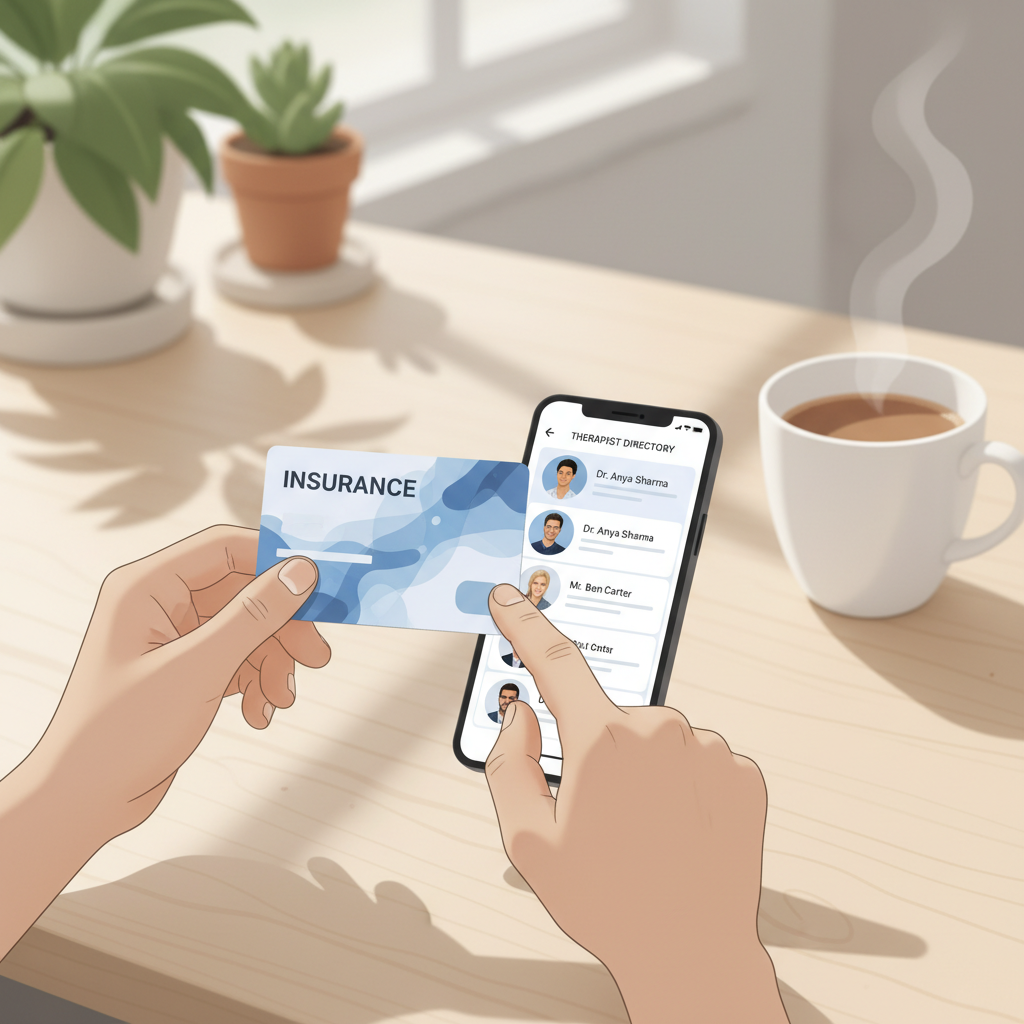
Your Insurance Actually Covers This (Yes, Really)
Most major insurers cover addiction therapy - and yes, that includes porn addiction. I was shocked when my therapist's office told me my copay was only $30.
Search for "behavioral addiction" or "compulsive sexual behavior" in your provider directory. Don't use "porn addiction" - it won't show up.
Your EAP program at work covers this too. I got 8 free sessions through mine before switching to insurance.
Call the member services number on your card and ask specifically about "process addictions" or "behavioral health." The rep will know exactly what you mean.
HSA/FSA money works for copays - another thing I wish I'd known earlier.
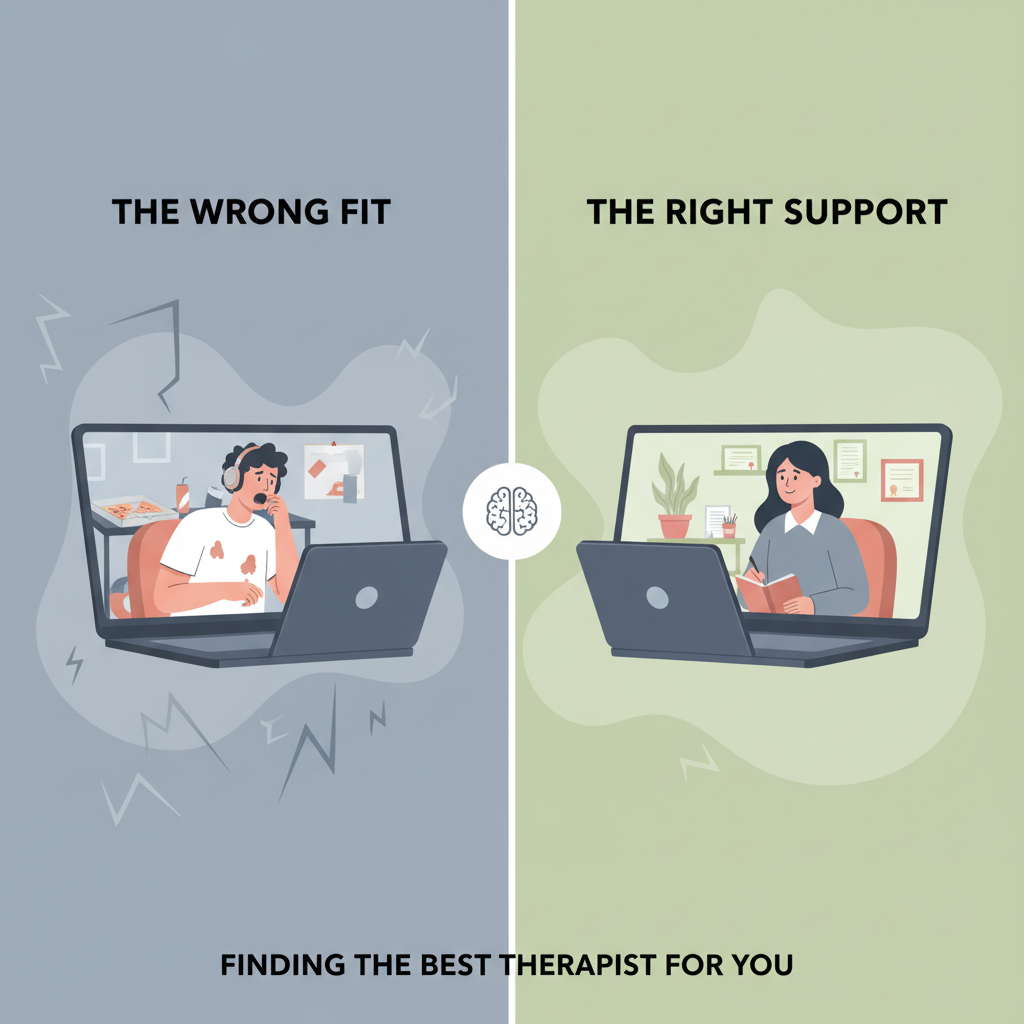
Red Flags I Wish Someone Had Warned Me About
The therapist who treats it like regular addiction. I wasted months with someone who kept pushing AA-style group meetings. Porn addiction has unique shame and intimacy components that need specialized approaches. Find someone who actually understands sexual compulsivity.
Anyone who promises quick fixes. One guy told me he'd "cure" me in six sessions using some proprietary method. Real recovery takes time and personalized work.
Therapists who seem uncomfortable discussing details. If they're squirming when you explain your specific behaviors, they're not equipped to help you. I needed someone who could handle explicit conversations without judgment.
No clear treatment plan after three sessions. Good therapists outline their approach early, not wing it indefinitely.
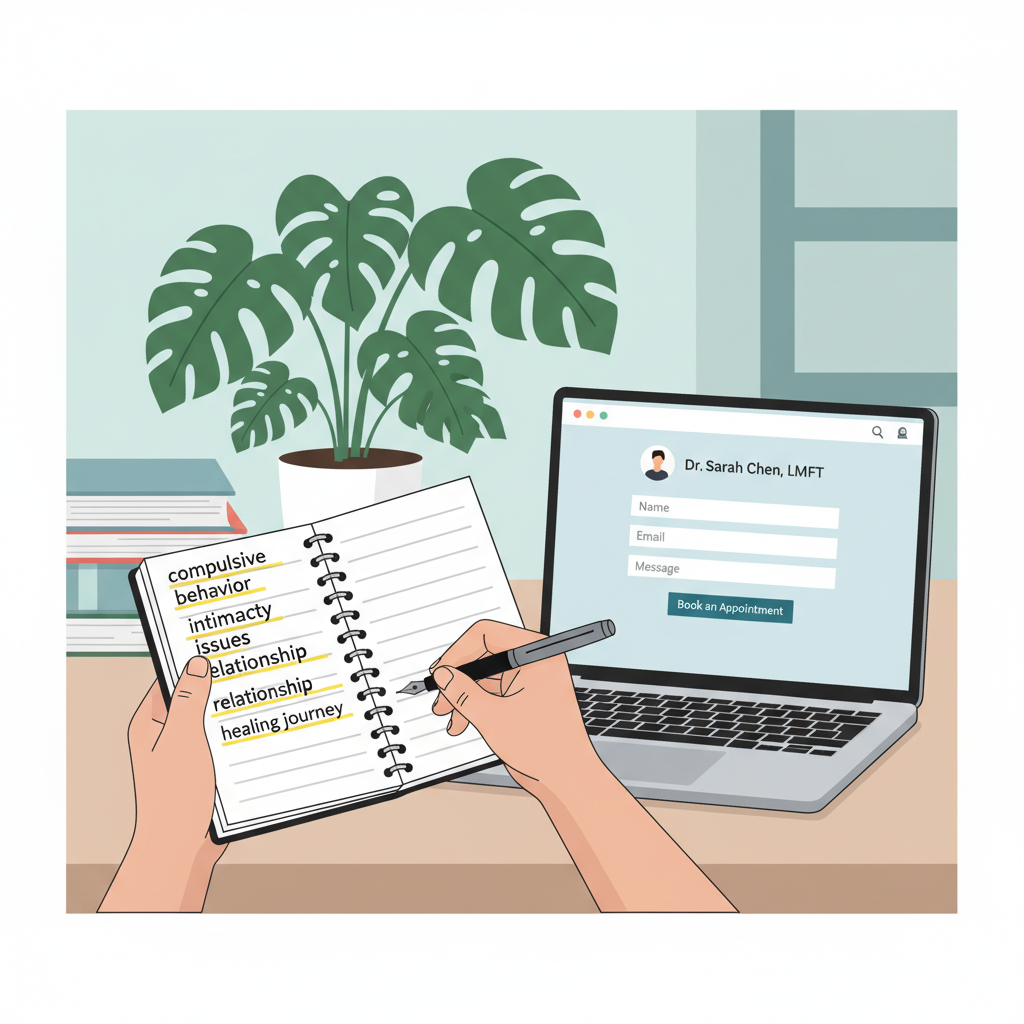
The Magic Words That Open Doors (Without Oversharing)
I've learned there's a spectrum from saying too little to saying way too much when calling therapists. On one end, you get people who just mumble "I need help with sexual issues" and wonder why nobody calls back. On the other end, you get folks who launch into their entire browsing history with the receptionist.
The sweet spot? "I'm looking for help with compulsive sexual behavior" or "I need therapy for pornography addiction." That's it. Professional, clear, gets you to the right person without making anyone uncomfortable. Save the details for the actual therapist.
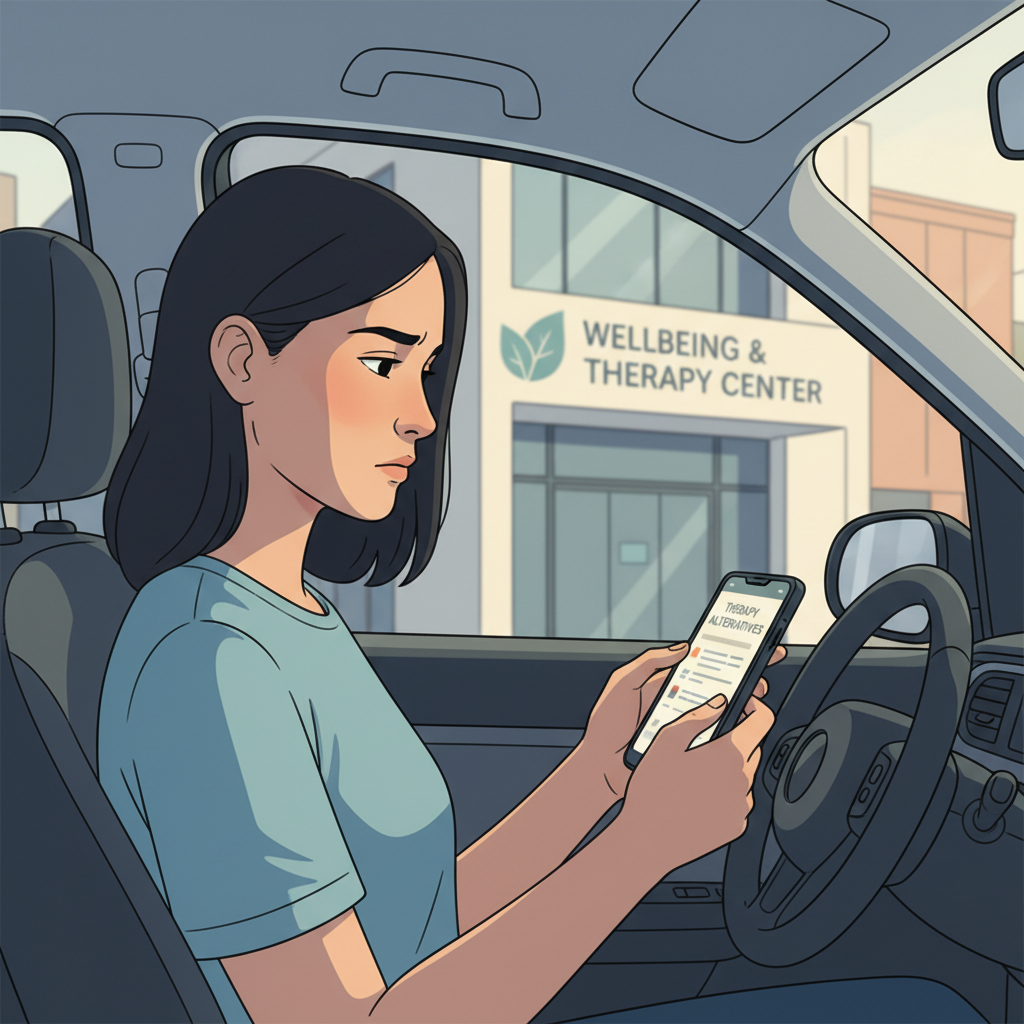
When Your First Choice Doesn't Pan Out
I called Dr. Martinez three times before accepting she wasn't taking new patients despite what Psychology Today said. Her voicemail was full, and the office staff seemed overwhelmed when I finally got through.
Here's what I wish someone had told me: have three solid backup options before making that first call. I ended up scrambling to find alternatives and settled for someone who wasn't really specialized in addiction work.
My second attempt worked better. I called during lunch hours when staff seemed less rushed, asked specific questions about their experience with porn addiction, and got honest answers. The therapist I eventually found wasn't my original first choice, but she turned out to be exactly what I needed.
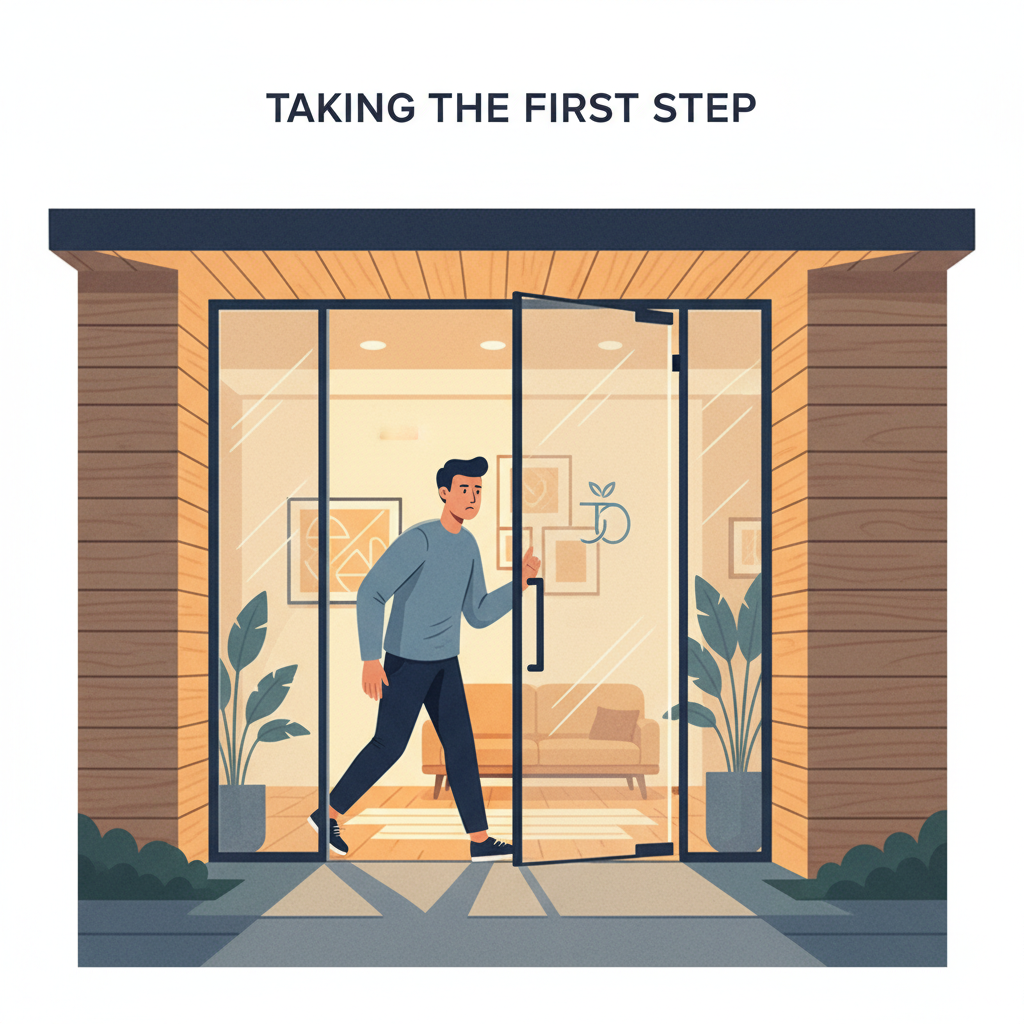
That First Appointment Feeling (And Why It's Worth It)
I'm not gonna lie - walking into that first appointment felt like everyone in the waiting room could read my mind. My palms were sweating, and I kept rehearsing how I'd explain why I was there without sounding like a complete mess.
Here's what actually happened: my therapist asked straightforward questions, took notes, and treated it like any other clinical issue. No judgment, no weird looks. Just professional assessment.
The relief after that first session was incredible. Finally talking to someone who'd heard this before and had actual strategies - not just "try harder" or "use more willpower."
That awkward first step opened up months of real progress. The embarrassment fades fast, but the tools you learn stick around forever.
What People Ask
How do I know if my insurance will cover porn addiction therapy sessions?
Call your insurance company directly and ask about coverage for "compulsive sexual behavior" or "process addiction" therapy - most won't have a specific category for porn addiction, but these terms usually work better than saying "sex addiction." I'd also recommend getting any coverage details in writing since phone reps sometimes give conflicting information.
When should I start looking for a therapist who specializes in this versus just any regular therapist?
From what I've seen, if you've tried quitting on your own multiple times or if it's affecting your relationships or work, you really need someone who gets the specific shame and compulsion patterns that come with this. Regular therapists often don't understand how different porn addiction is from other issues, and you'll end up spending sessions explaining instead of actually working through it.
How do I actually find therapists near me who take insurance and deal with this specific problem?
I'd start with Psychology Today's therapist finder - you can filter by insurance and look for specialists in "sex addiction" or "compulsive sexual behavior." Then call your insurance's provider directory and cross-reference the names, because honestly, those online directories are often outdated and you don't want to waste time with someone who doesn't actually take your plan anymore.
My Honest Take
Here's what I'd do: call your insurance company tomorrow morning and ask for their mental health provider directory. Don't overthink the perfect therapist - finding someone who takes your insurance and understands addiction is already a huge win. You can always switch later if it's not clicking.


