
How to Reduce Dopamine Cravings Naturally: 10 Evidence-Based Methods
Deloop is the #1 porn addiction recovery app. Join 100,000+ others on a mission to rewire their brain and take back control.


I'll be honest—most advice about dopamine cravings sounds like it was written by someone who's never actually experienced the 3pm scroll-spiral or the weird compulsion to check your phone every thirty seconds. I've watched friends try to "dopamine detox" by going cold turkey on everything fun, only to crash harder than before. The real problem isn't that we need dopamine—it's that we've accidentally trained our brains to crave it from all the wrong places.
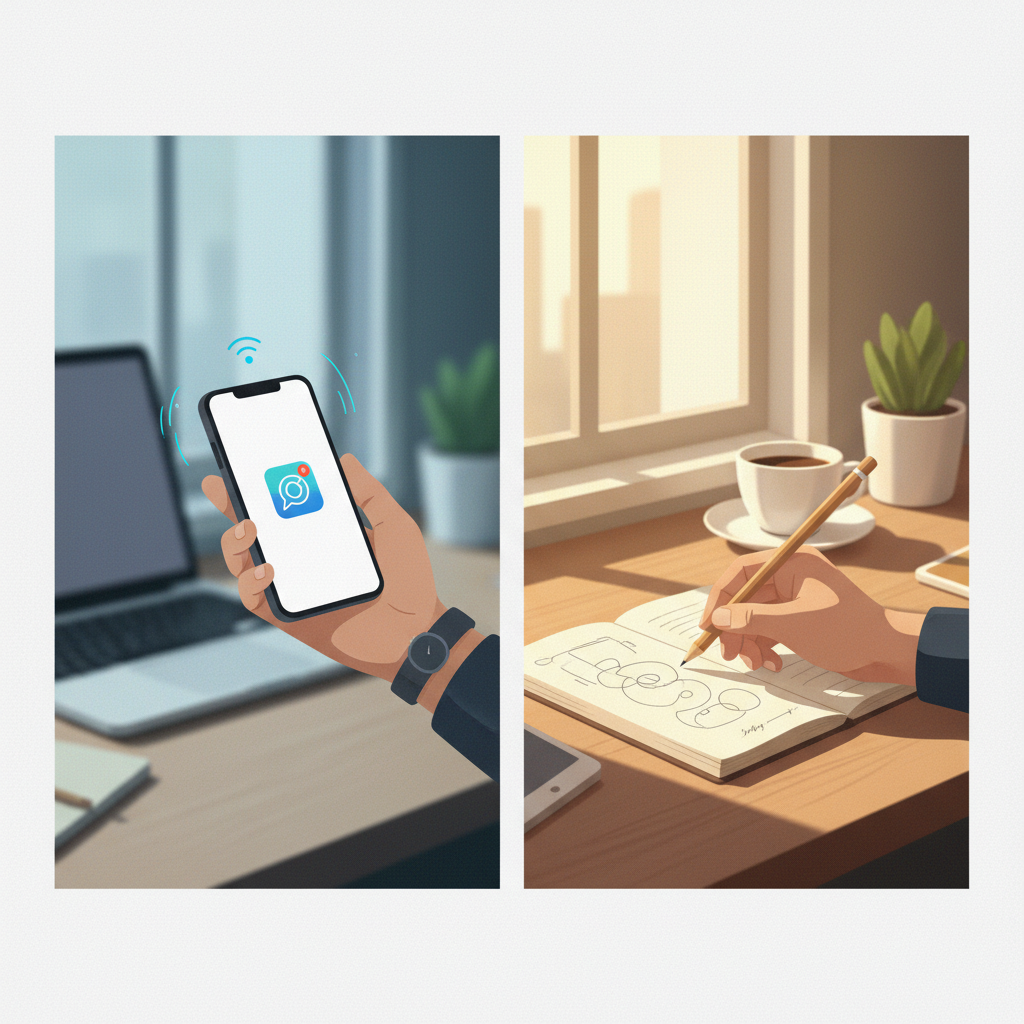
When Your Phone Becomes Your Dealer: Breaking the Notification Cycle
Before: I used to check my phone within 30 seconds of any notification. Email, Instagram, even random app updates - my hand would automatically reach for it. I'd end up scrolling for 20 minutes when I only meant to check a text.
After: I turned off all non-essential notifications and put my phone in another room during focused work. The first few days felt weird, like something was missing. But now I check messages on my schedule, not theirs.
The key insight: your phone companies literally hire neuroscientists to make their products more addictive. Those red notification dots aren't accidents - they're dopamine triggers designed to pull you back in.
Start small. Turn off just social media notifications this week. Notice how often you reach for your phone out of pure habit, then consciously put it back down.
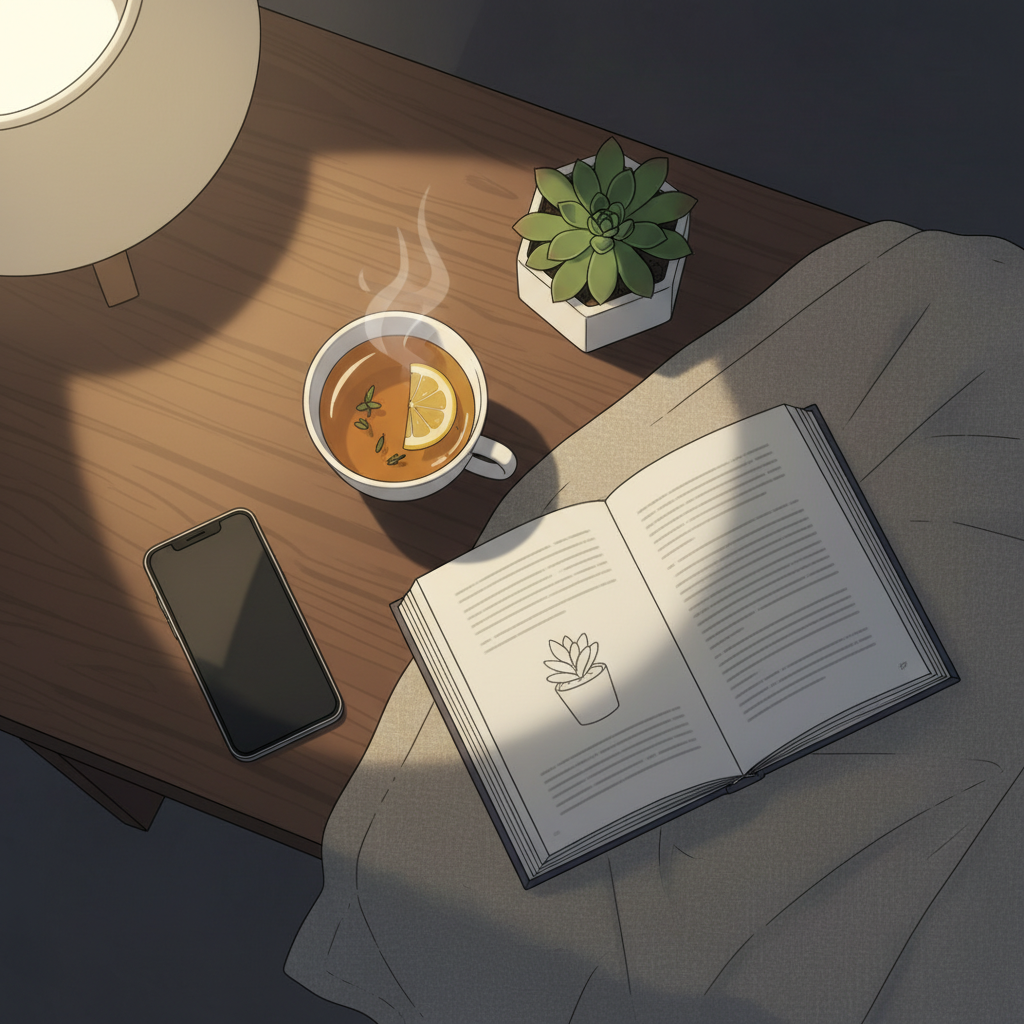
The 3am Scroll Trap: Rewiring Your Evening Routine Without Going Cold Turkey
I used to be that person scrolling Instagram at 2:47am, wondering how I got there. The "just one more video" trap is real, and going cold turkey never worked for me – I'd last maybe two days before binge-scrolling for hours.
What actually worked was creating friction on a spectrum. On one end, you've got complete phone addiction. On the other, you're a digital monk. I found my sweet spot somewhere in the middle: phone goes in another room at 9pm, but I can grab it if I genuinely need something.
I replaced the evening scroll with a physical book and herbal tea. Not revolutionary, but it works because I'm not fighting my dopamine system – I'm just redirecting it toward something that doesn't hijack my sleep.
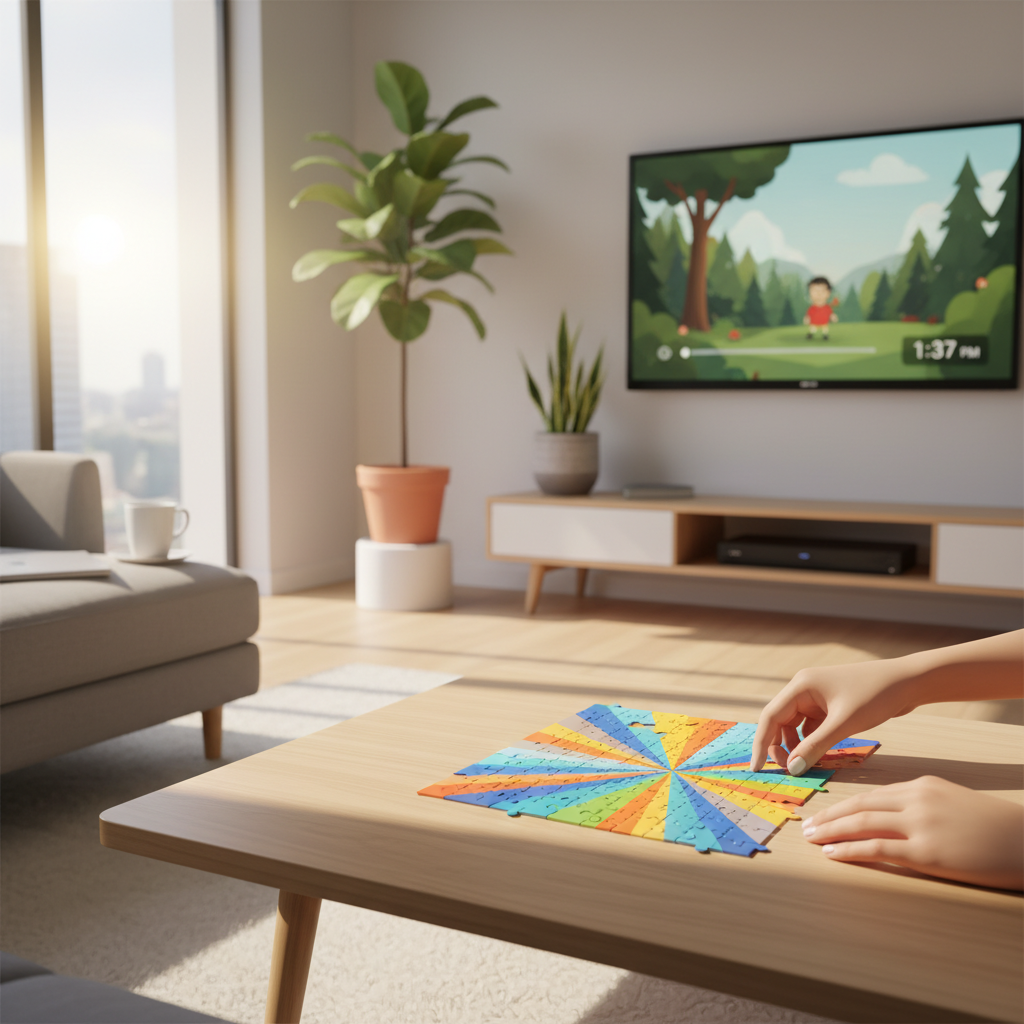
From Binge-Watching to Brain-Building: Strategic Entertainment Swaps That Actually Stick
Option A: Watch another Netflix series that leaves you feeling empty and wired at midnight.
Option B: Switch to engaging content that actually builds something—documentaries about topics you're curious about, YouTube channels teaching skills you want, or audiobooks during walks.
I've found the trick isn't going cold turkey on screens. It's upgrading what fills them. Instead of mindlessly consuming, I started choosing content that connects to my actual interests. Learning Spanish through shows, watching woodworking videos before attempting projects, or following creators who inspire rather than just entertain.
The dopamine hit feels more satisfying because you're building something, not just killing time.
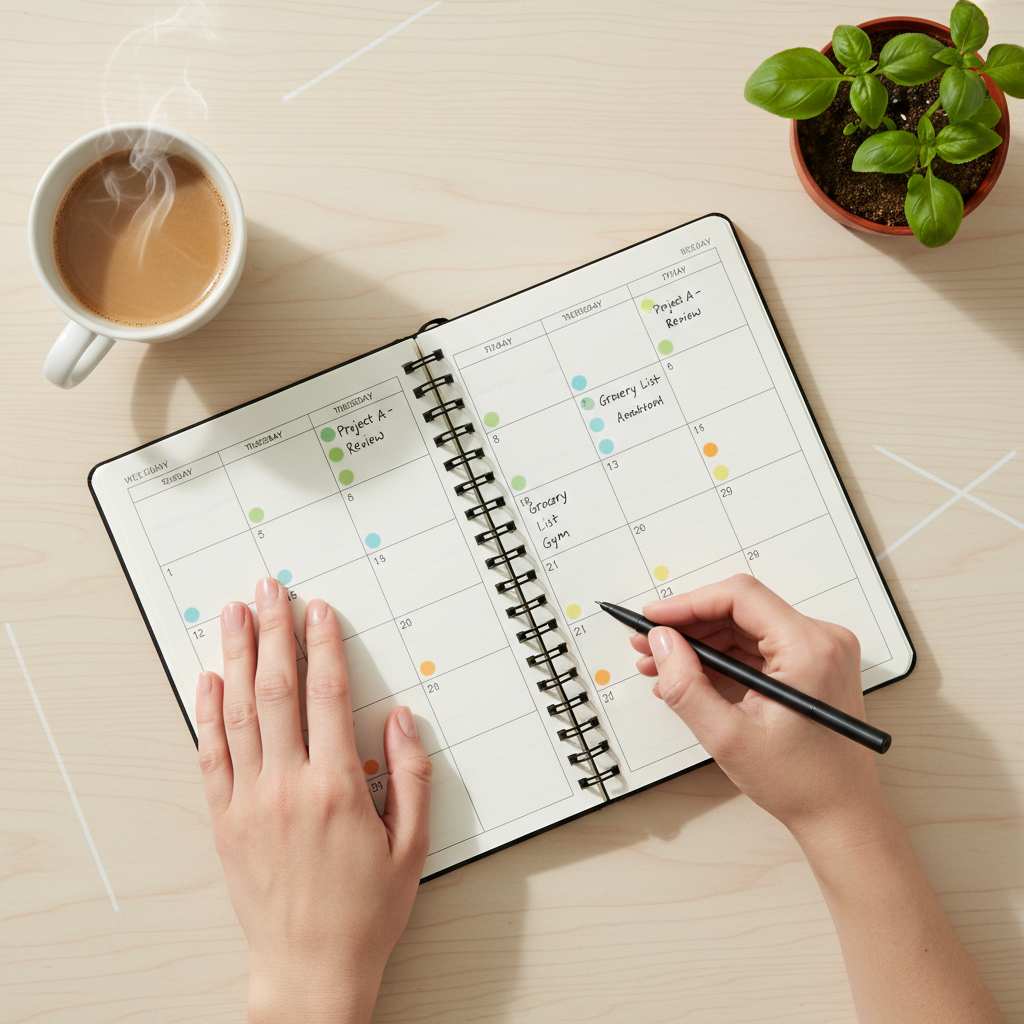
The Craving Calendar Method: Tracking Triggers Without Becoming Obsessive
I used to think tracking cravings meant obsessing over every urge, but that backfired spectacularly. What actually works is dead simple: mark an X on a calendar when you notice a strong craving hit. That's it.
Week 1-2: Just track. Don't judge, don't analyze. I'd get hit with that "need to check Instagram NOW" feeling around 3pm and mark it down.
Week 3: Patterns emerge without trying. Mine were always Tuesday afternoons (boring work calls) and Sunday evenings (dreading Monday). Yours will be different.
Week 4+: Use the data. I started scheduling actual breaks at 3pm instead of mindlessly scrolling. Sunday evenings became meal prep time.
The key is keeping it stupid simple. The moment I tried tracking "intensity levels" or "mood correlations," I quit within days. One X per day maximum, or you'll turn awareness into another dopamine-seeking behavior.
Your Questions, Answered
What if I've tried meditation and cold showers but my dopamine cravings are still crazy strong?
From what I've seen, those two methods alone usually aren't enough for people with serious dopamine addiction patterns. I'd focus on the sleep and exercise combo first - when I'm running on 5 hours of sleep, no amount of cold plunging helps my cravings, but when I'm consistently getting 7-8 hours plus daily walks, everything else becomes way more manageable.
What if reducing social media and phone time makes me feel completely bored and restless?
That restless, "I don't know what to do with myself" feeling is totally normal - it's basically your brain throwing a tantrum because it's used to constant stimulation. I've found you have to actively replace the phone time with something physical (even just pacing around the house works) rather than trying to sit still and "be mindful," which honestly just makes the cravings worse for most people.
My Honest Take
Here's what I'd do if I were starting today: pick just one method from this list and stick with it for two weeks. Don't try to overhaul your entire life overnight—that's just setting yourself up to fail. Small changes compound into big wins.


