
Porn Addiction Recovery Timeline: What to Expect in Your First Year
Deloop is the #1 porn addiction recovery app. Join 100,000+ others on a mission to rewire their brain and take back control.


I've watched hundreds of people start their recovery journey, and the question I hear most is: "When will I feel normal again?" The truth is, recovery doesn't follow a neat timeline, but there are patterns I've noticed. Your brain fog might lift around week three, but the real emotional work? That's just getting started. Here's what I've observed happens in most people's first year—the messy, non-linear reality of healing.
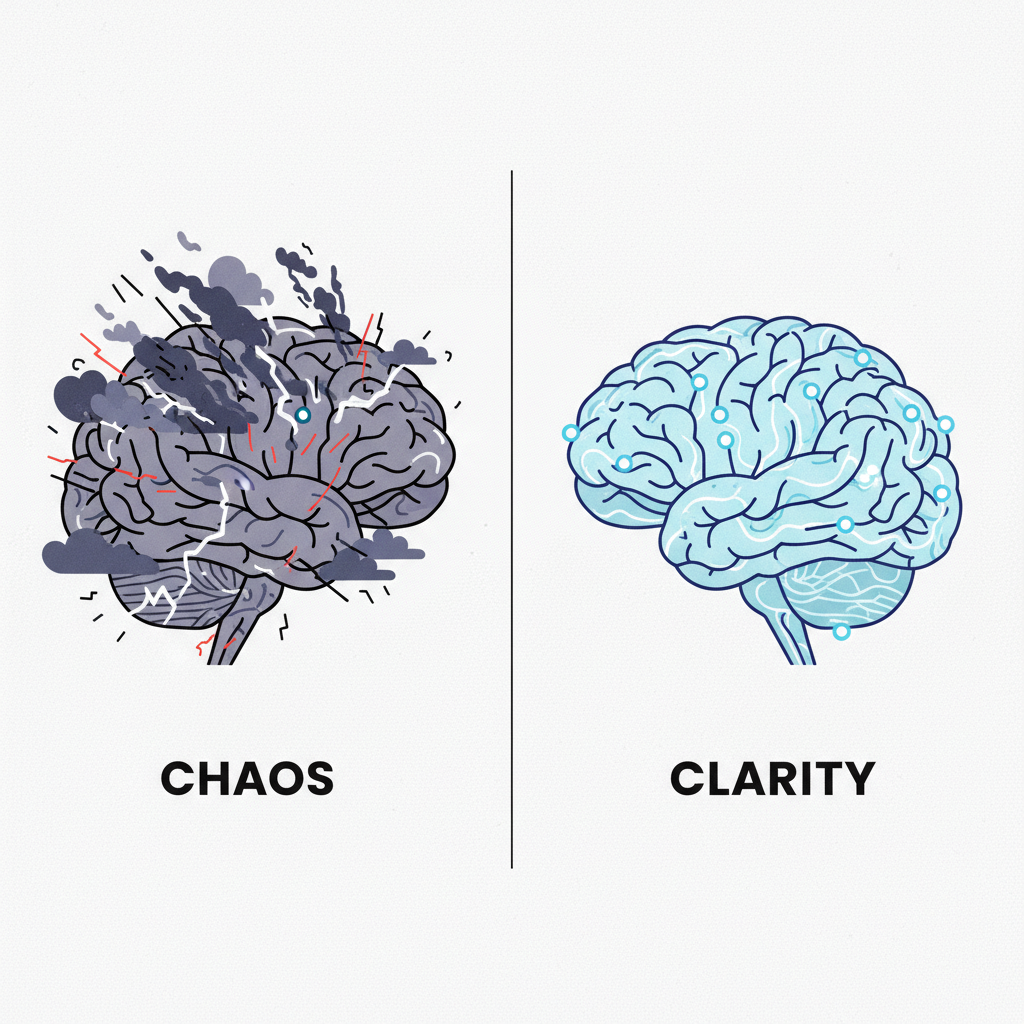
Days 1-30: Your Brain's Withdrawal Tantrum (And What Actually Helps)
The first month is brutal because your brain is basically throwing a toddler-level meltdown. I've watched guys white-knuckle through this thinking willpower alone will save them – it won't.
What actually worked for me: cold showers in the morning (sounds stupid, but it resets your nervous system), and having three specific backup plans for urges. Mine were pushups until failure, calling my accountability partner, or taking a walk around the block. The key is deciding beforehand, not in the moment when your brain is screaming.
Sleep gets weird too. I'd wake up at 3am with my heart racing for no reason. Magnesium supplements helped, but honestly, just knowing this was temporary kept me sane.
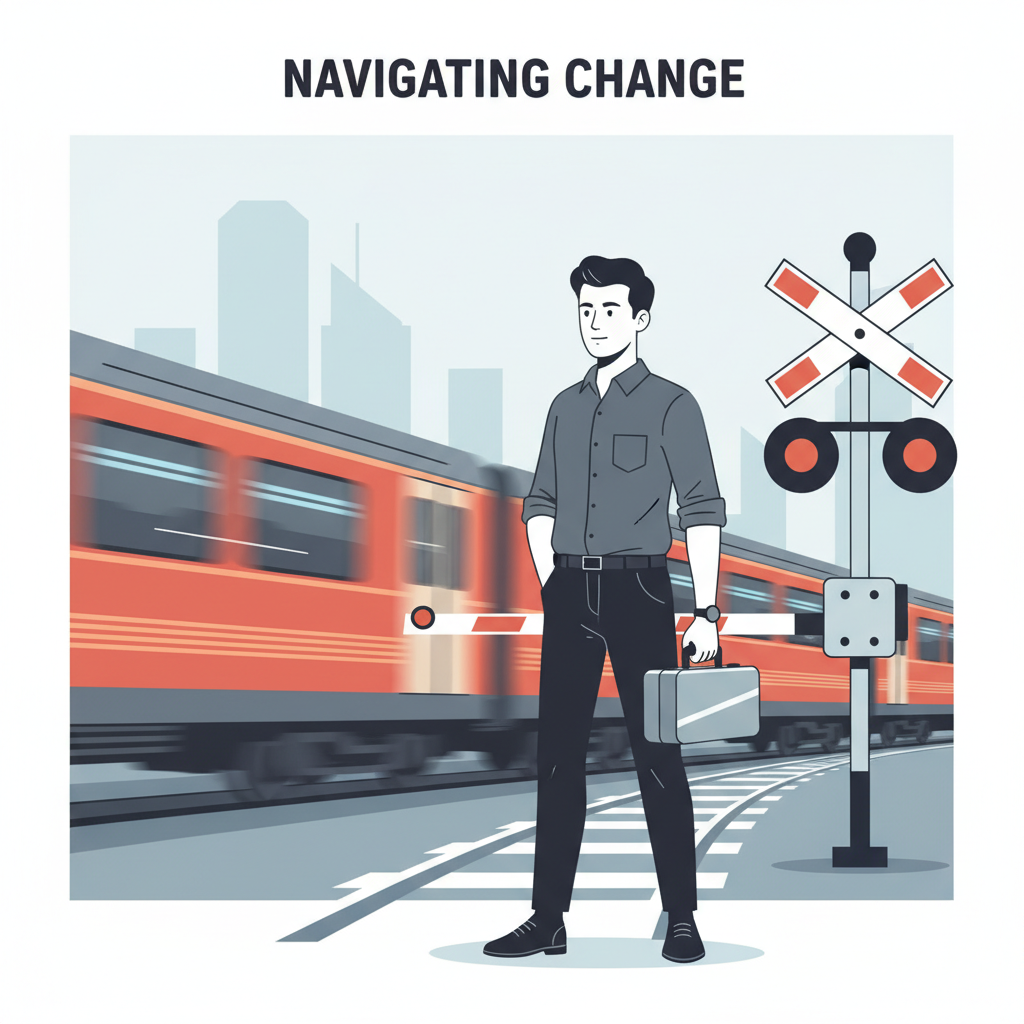
Months 2-3: When Triggers Hit Like Freight Trains
This is where most people crash and burn, and I get why. The initial motivation wears off right when your brain starts throwing tantrums.
I remember hitting day 45 feeling pretty confident, then seeing one suggestive thumbnail on YouTube and spiraling for three hours. The urges don't just knock politely—they kick down the door when you're tired, stressed, or bored.
What caught me off guard was how everyday stuff became landmines. Instagram stories, Netflix shows, even workout videos. My brain was desperately hunting for any excuse to get its fix.
The people who make it through this phase have one thing figured out: they've built actual systems, not just willpower. Phone in another room at night. Accountability partner who checks in daily. Specific plans for handling 3 PM energy crashes.
Relapse here isn't failure—it's data about what doesn't work.

Months 4-6: The Sneaky Return of Confidence (And Its Hidden Traps)
• The dangerous overconfidence phase - You'll start feeling like you've "beaten this thing" and get sloppy with your safeguards. I deleted my accountability app around month 5 thinking I was cured. Big mistake.
• Social situations become tricky - You're more confident around people but also more likely to put yourself in risky scenarios. Late-night hanging out, drinking with friends who don't know about your struggles.
• The "just once" thoughts creep back - Your brain starts negotiating. "I'm so much better now, surely I can handle looking at something mild." Don't fall for it.
• Keep your systems running - This isn't the time to coast. Double down on what's working.
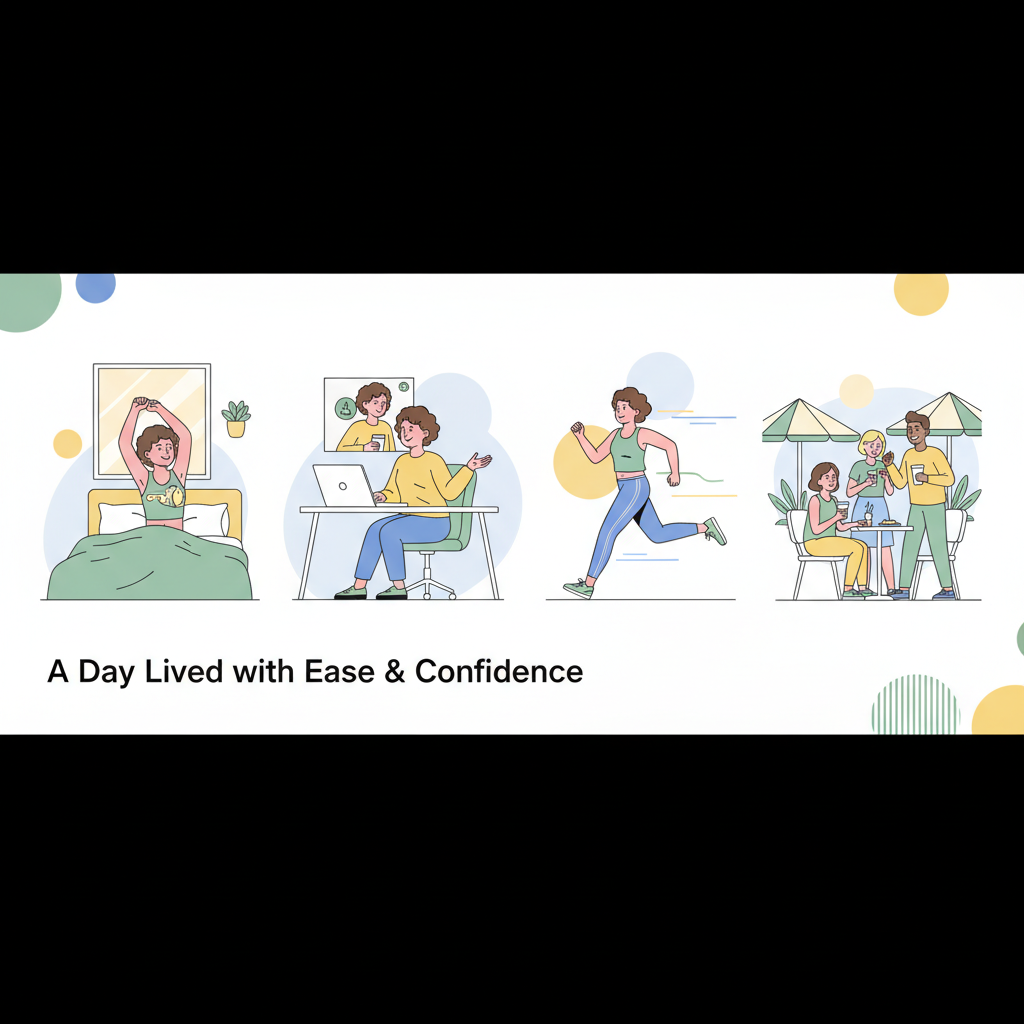
Months 7-9: Building Your New Normal Without White-Knuckling
By month seven, I stopped feeling like I was constantly fighting myself. The raw desperation of early recovery had settled into something more manageable - though definitely not easy.
This is when I realized I needed actual replacement habits, not just willpower. I started woodworking in my garage because my hands needed something to do during those restless evening hours. The key was finding activities that genuinely absorbed me, not just "healthy distractions" that felt like homework.
Your brain starts craving novelty and stimulation in different ways now. I found myself getting genuinely excited about things I'd ignored for years - cooking elaborate meals, hiking trails I'd driven past a hundred times, having real conversations instead of just waiting for my turn to talk.
The biggest shift? I stopped white-knuckling through urges and started getting curious about what triggered them instead.
Key Concepts:
- White-knuckling: Relying purely on willpower and resistance rather than building sustainable systems
- Replacement habits: Positive activities that fulfill the same psychological needs as the addictive behavior
- Urge surfing: Observing and understanding urges without immediately fighting or acting on them
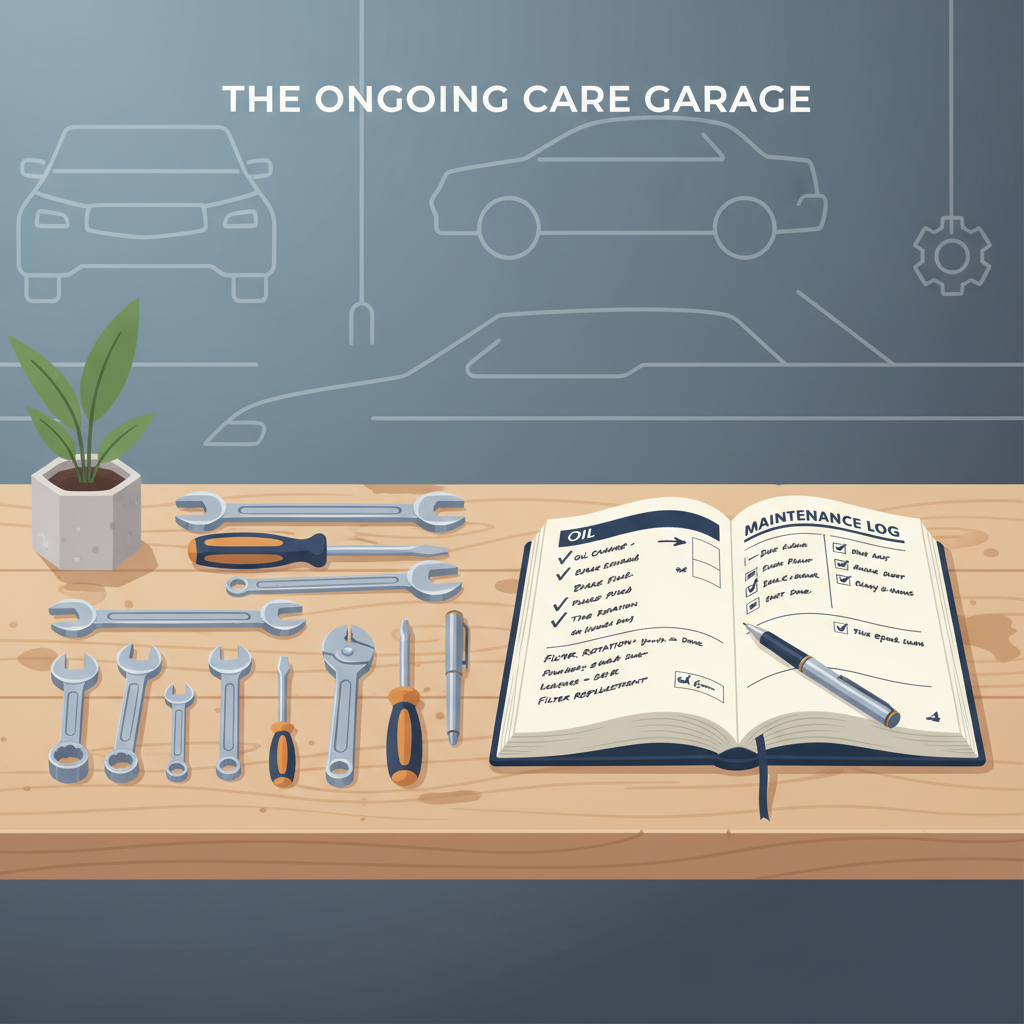
Months 10-12: Relapse Reality Check and Long-Term Maintenance
The Good: You've built real habits that stick. Recovery feels more natural than forced. I stopped white-knuckling through every day and actually enjoyed life again. Your brain rewiring shows - genuine attraction returns, relationships improve, confidence feels earned rather than faked.
The Reality Check: Overconfidence kills streaks. I relapsed twice around month 11 thinking I was "cured." Holiday stress, relationship problems, or job changes can trigger old patterns. The urges don't disappear completely - they just become manageable background noise most days.
What Actually Works: Keep your guard systems active even when you feel bulletproof. Maintenance beats perfection.
Common Questions Answered
Does porn addiction recovery actually work or is it just willpower bullshit?
Recovery absolutely works, but it's not about white-knuckling through urges - that approach usually fails within weeks. From what I've seen, the people who succeed treat it like rewiring their brain through consistent habits, therapy, and addressing the underlying issues that drove them to porn in the first place.
Is the first 90 days really as brutal as everyone says it is?
The first month is definitely the hardest - I won't sugarcoat that - but weeks 2-4 are typically worse than the very beginning because that's when the reality sets in. Most people I know say it gets noticeably easier around day 60, though you'll still have random difficult days throughout the first year.
How long before I actually feel "normal" again instead of just counting days?
For me and most people I've talked to, the obsessive day-counting mindset starts fading around month 4-6, but feeling genuinely normal takes closer to 8-12 months. You'll have good weeks mixed with setbacks, but somewhere in that second half of year one, you realize you're not thinking about it constantly anymore.
The Window Is Right Now
Here's my honest take - you'll never feel "ready" to start recovery. I've seen too many people wait for the perfect moment that never comes. Your brain rewires fastest in the first 90 days, so start today, not tomorrow.


