
How to Stop Feeling Guilty About Porn: Breaking the Shame Cycle
Deloop is the #1 porn addiction recovery app. Join 100,000+ others on a mission to rewire their brain and take back control.


I remember the exact moment I realized shame had been running my life—sitting at my laptop at 2 AM, heart pounding like I'd just sprinted a mile, frantically clearing browser history even though I lived alone. That metallic taste of guilt coating my mouth, the familiar knot in my stomach that followed me for days afterward. Sound familiar? I've watched countless people trap themselves in this exhausting cycle, convinced they're broken while carrying around this heavy secret that honestly? Most adults deal with but rarely talk about openly.
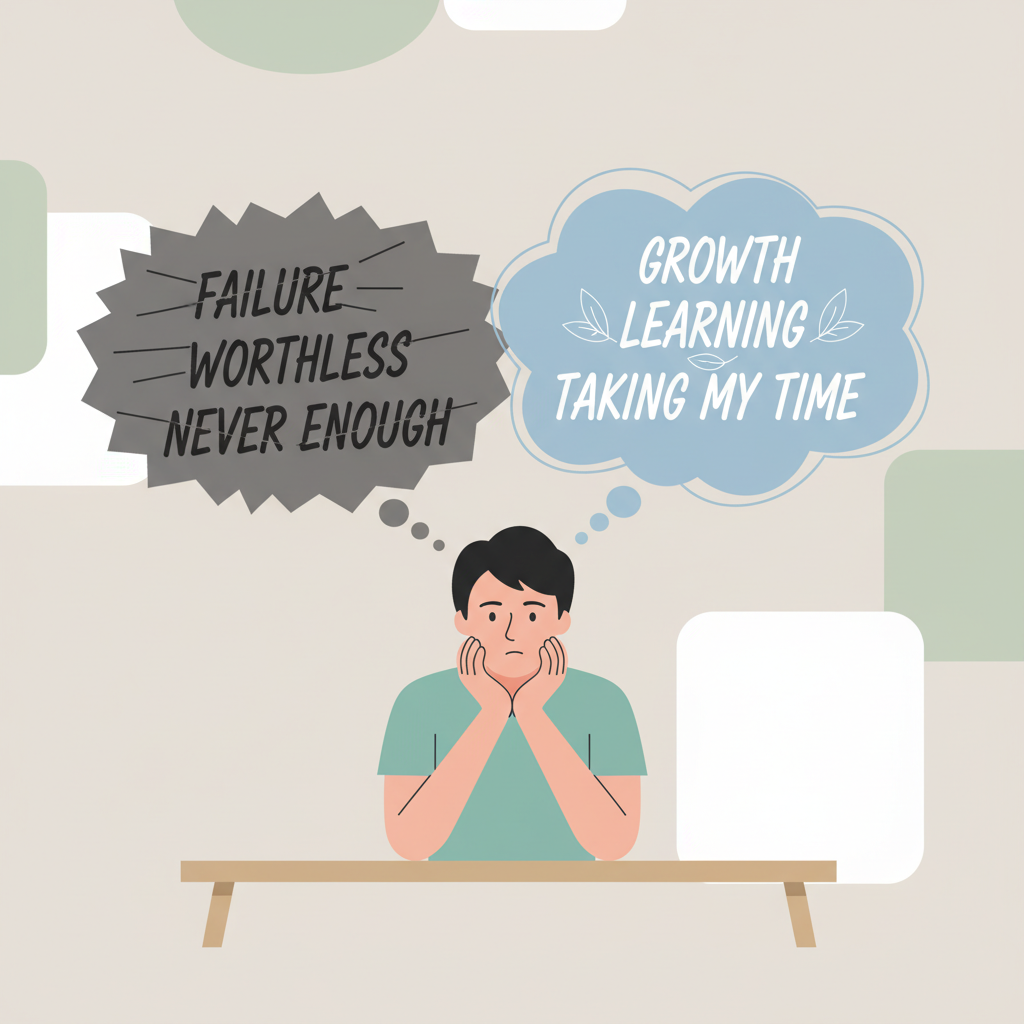
Recognizing When Religious or Cultural Messages Are Hijacking Your Self-Worth
Basic Level: The Obvious Red Flags
I've noticed the most damaging messages usually come wrapped in absolute language. When I hear "good people don't," "real men never," or "if you truly believed, you wouldn't" – that's when my bullshit detector goes off. These phrases aren't about growth; they're about control.
The shame spiral starts when you accept that your worth as a person depends on perfect sexual behavior. I've seen this destroy people who are otherwise thoughtful, kind, and contributing members of society.
Intermediate Level: The Subtle Manipulation
The trickier stuff sounds more reasonable. Messages like "struggling with this shows weak character" or "you're letting your family down" feel personal rather than doctrinal. But they're still hijacking your self-worth by tying it to sexual behavior rather than who you are as a complete person.
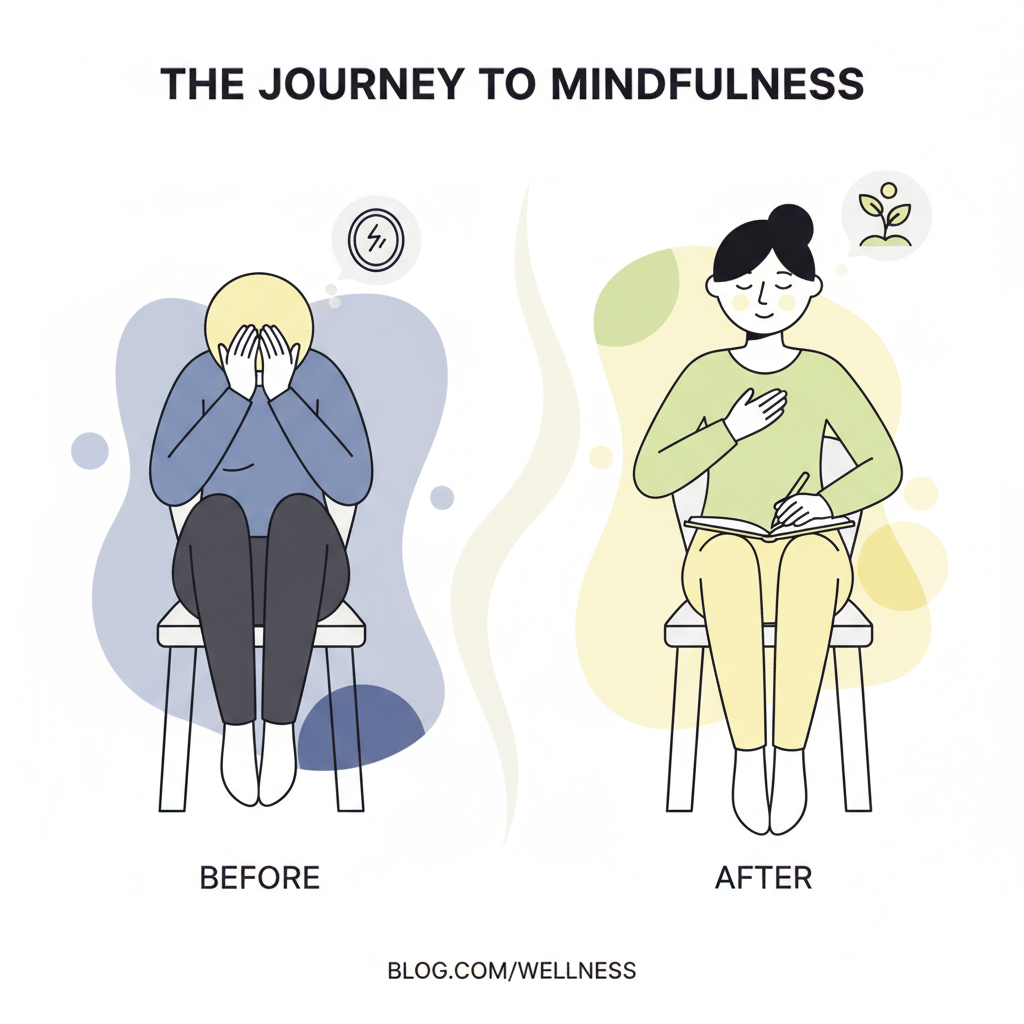
Replacing Post-Viewing Self-Attack Scripts with Realistic Self-Talk
I used to spiral into this brutal internal monologue after watching porn: "You're disgusting, you have no self-control, you'll never change." That voice was merciless and completely unhelpful.
What actually worked was catching myself mid-attack and switching to realistic self-talk. Instead of "I'm a failure," I'd think "I watched porn tonight, and that's not aligned with my goals, but it doesn't define my worth as a person."
The difference is huge. Shame-based thoughts ("I'm broken") keep you stuck in the cycle. Fact-based thoughts ("I made a choice I want to change") create space for actual progress.

Creating Honest Conversations with Partners Without Defensive Explosions
Here's what I've learned about having these conversations without turning them into nuclear disasters: timing is everything. Don't bring this up during or right after sex, and definitely not when either of you is stressed about something else.
I've found the "I'm struggling with something and could use your perspective" approach works better than confessing like you committed a crime. Most defensive explosions happen because we frame porn use as betrayal rather than a personal challenge we're working through.
What actually helped me was being specific about what I wanted to change and why, rather than just dumping guilt. "I've been using porn as stress relief and I don't like how it affects my mood" lands completely differently than "I'm so sorry I'm terrible."
Frequently Asked Questions
Why do I feel worse about porn after trying to quit?
When you start restricting something, your brain goes into overdrive thinking about it - it's like telling yourself not to think about a pink elephant. I've found that the guilt actually amplifies when you're in that white-knuckle phase because every slip feels like a massive failure instead of just being human.
Is it normal to feel guilty even when I'm not religious?
Absolutely - I think society loads us up with shame about sexuality regardless of religious background, especially around porn. From what I've seen, the guilt often comes from feeling like you're not living up to some ideal version of yourself, or worrying about what others would think if they knew.
Should I tell my partner about my guilt around porn use?
Only if you're in a stable relationship and genuinely want to work through it together - don't confess just to offload your guilt onto them. I'd recommend getting your own head straight first, because dumping shame-driven confessions on someone usually creates more problems than it solves.
Your Next Move
Here's what I'd do if I were you: pick one small act of self-compassion today. Maybe it's talking to yourself like you would a good friend, or simply acknowledging that struggling with this doesn't make you broken. The shame spiral loses power when you stop feeding it.


