
Masturbation Addiction vs Normal: How to Tell the Difference
Deloop is the #1 porn addiction recovery app. Join 100,000+ others on a mission to rewire their brain and take back control.


You've probably experienced this: lying in bed at 2 AM, wondering if you're "normal" or if things have gotten out of hand. I've noticed how the internet loves throwing around terms like "masturbation addiction" without explaining what that actually means versus just... having a healthy sex drive. From what I've seen, most people are way more normal than they think, but the line between healthy and problematic isn't always obvious.

When It Stopped Being About Pleasure and Started Running My Schedule
I realized I had crossed a line when I started declining social plans because they interfered with my masturbation routine. A friend invited me to grab dinner on a Tuesday, and my first thought wasn't "sounds fun" – it was "but that's my 7 PM session."
That's when it clicked. Normal sexual behavior fits around your life. It doesn't dictate your calendar or make you resentful of interruptions. I found myself getting genuinely irritated when my roommate came home early, or when work calls ran late and "messed up" my schedule.
When you're planning your day around masturbation instead of fitting it into your day, that's the clearest red flag I've experienced.
That Moment I Realized I Was Lying to Myself (And Everyone Else)
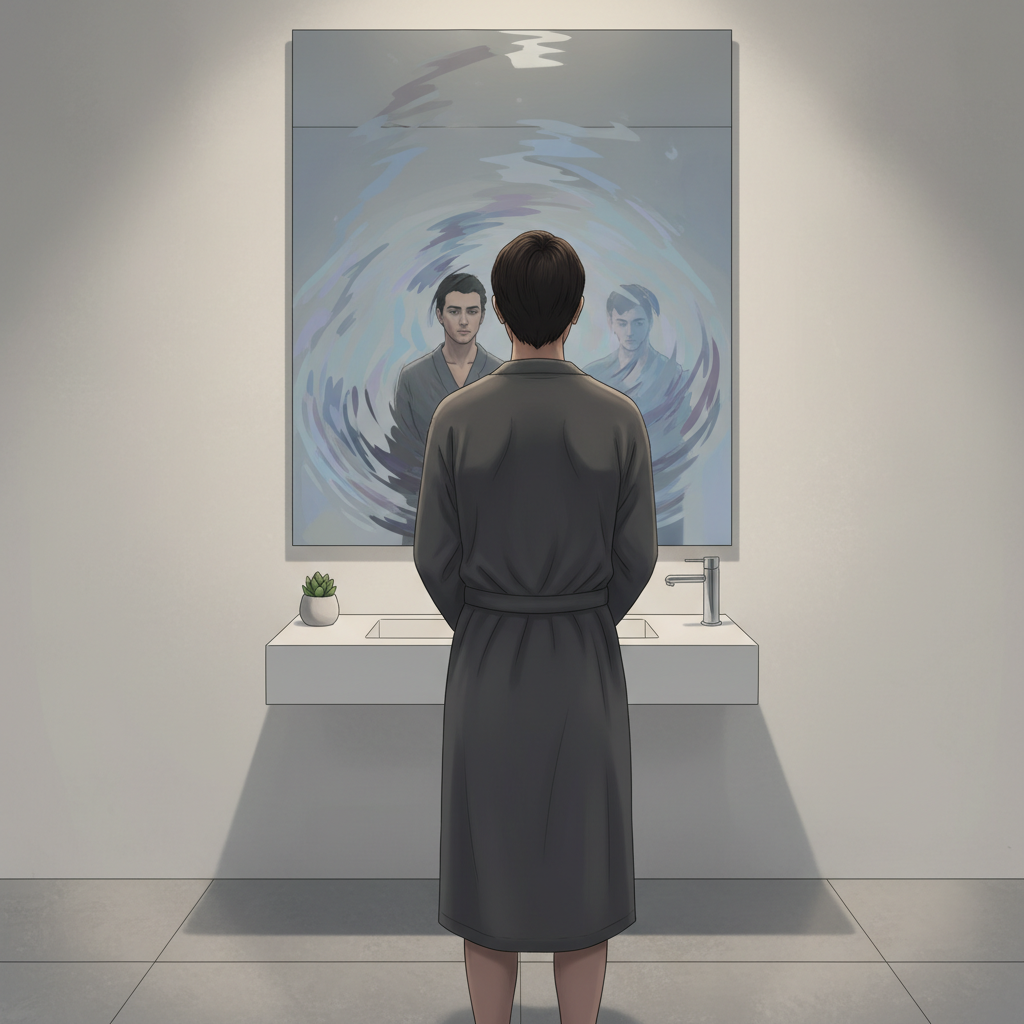
I kept telling myself it was "stress relief" and "perfectly normal." But when I started avoiding social plans because I'd rather stay home and masturbate, something clicked. I was lying.
The real wake-up call came when my roommate asked if I was okay because I'd been "showering" 3-4 times a day. I realized I'd been crafting elaborate cover stories for what was really compulsive behavior.
Normal masturbation doesn't require lies or elaborate scheduling. You don't cancel dinner with friends for it. You don't feel shame spirals afterward or promise yourself "just once more, then I'll stop."
I had to get brutally honest about the difference between occasional release and using masturbation as my primary coping mechanism for literally everything—boredom, anxiety, celebration, you name it.

What Nobody Tells You About the Shame Spiral - And Why It Matters
Here's what nobody mentions: the shame itself often becomes the bigger problem than the behavior. I've watched people get so twisted up in guilt that they can't think straight about what's actually happening.
The cycle goes like this - you feel shame about frequency, which makes you more secretive, which increases the shame, which makes you masturbate more for comfort. It's brutal.
What I've found is that breaking the shame loop first makes everything else clearer. When you're not drowning in self-hatred, you can actually assess whether your behavior is genuinely problematic or just human. Start there before diagnosing yourself with addiction.
Quick Answers
How long does it actually take to know if your masturbation habits are problematic?
From my experience, you'll know within about 2-4 weeks if you try to cut back and can't - that's usually when the real patterns become obvious. If you're constantly thinking about it, scheduling your day around it, or getting anxious when you can't do it, those are pretty clear red flags that show up quickly.
How much time per day crosses the line from normal to concerning?
I'd say when it's taking up more than 30-60 minutes of your day regularly, or when you're doing it multiple times daily and it's interfering with work, relationships, or sleep. It's less about the exact time and more about whether you're choosing it over other important stuff in your life consistently.
How long should I try stopping before I know if I need professional help?
If you can't go 1-2 weeks without it despite genuinely trying, or if stopping makes you extremely anxious, irritable, or depressed, that's when I'd seriously consider talking to a therapist. Most people with normal habits can take a break for a couple weeks without major drama - if you can't, that tells you something important.
My Challenge to You
Here's what I'd do if I were you: give yourself 7 days to honestly track when and why you masturbate. No judgment, just awareness. Write it down - boredom, stress, habit, genuine arousal?
My take? Most people avoid this simple exercise because they already know the answer. That tells you everything.


