
Masturbation Guilt Solutions: Secular Approaches to Self-Compassion
Deloop is the #1 porn addiction recovery app. Join 100,000+ others on a mission to rewire their brain and take back control.


I've watched too many people tie themselves in knots over something completely normal. The guilt around masturbation runs deep, especially if you grew up hearing it was shameful or wrong. But here's what I've learned: you don't need religious frameworks to find peace with your sexuality. This article explores practical, secular approaches to building self-compassion around masturbation—because shame has no business in your relationship with your own body.
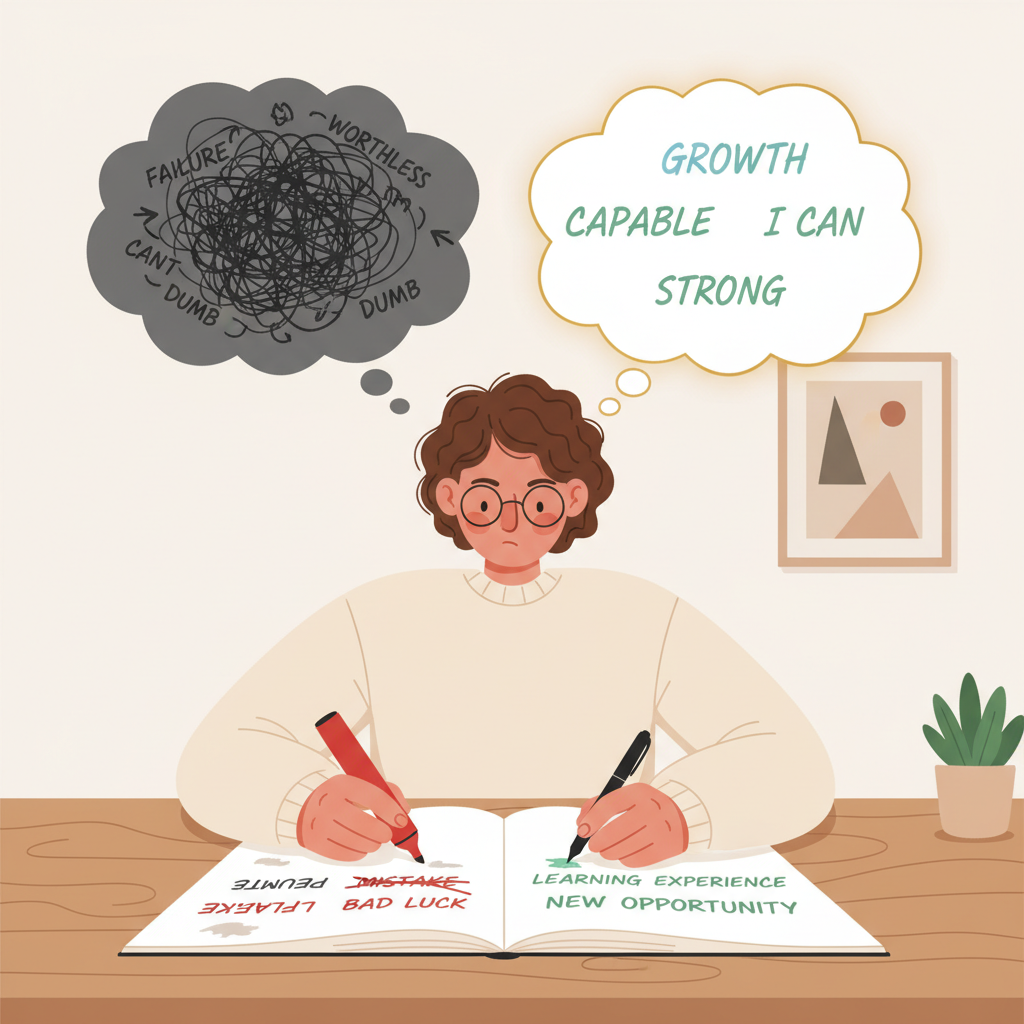
Rewiring Your Inner Critic's Script
I've learned that shame voices sound convincing because they've had years of practice. The trick isn't fighting them - it's replacing their script entirely.
Phase 1: Catch and catalog. Write down exactly what your inner critic says. Mine used to go: "You're disgusting. Normal people don't need this." Seeing it on paper made me realize how ridiculous it sounded.
Phase 2: Write comeback lines. I prepared responses like "This is normal human behavior" or "My body, my choice." Having them ready helped immensely.
Phase 3: Practice the new script daily. Before anything physical even happens, I'd rehearse self-compassionate thoughts. "I deserve pleasure without shame." It felt fake at first, but repetition works.
The goal isn't eliminating all discomfort - it's changing who gets the final word.
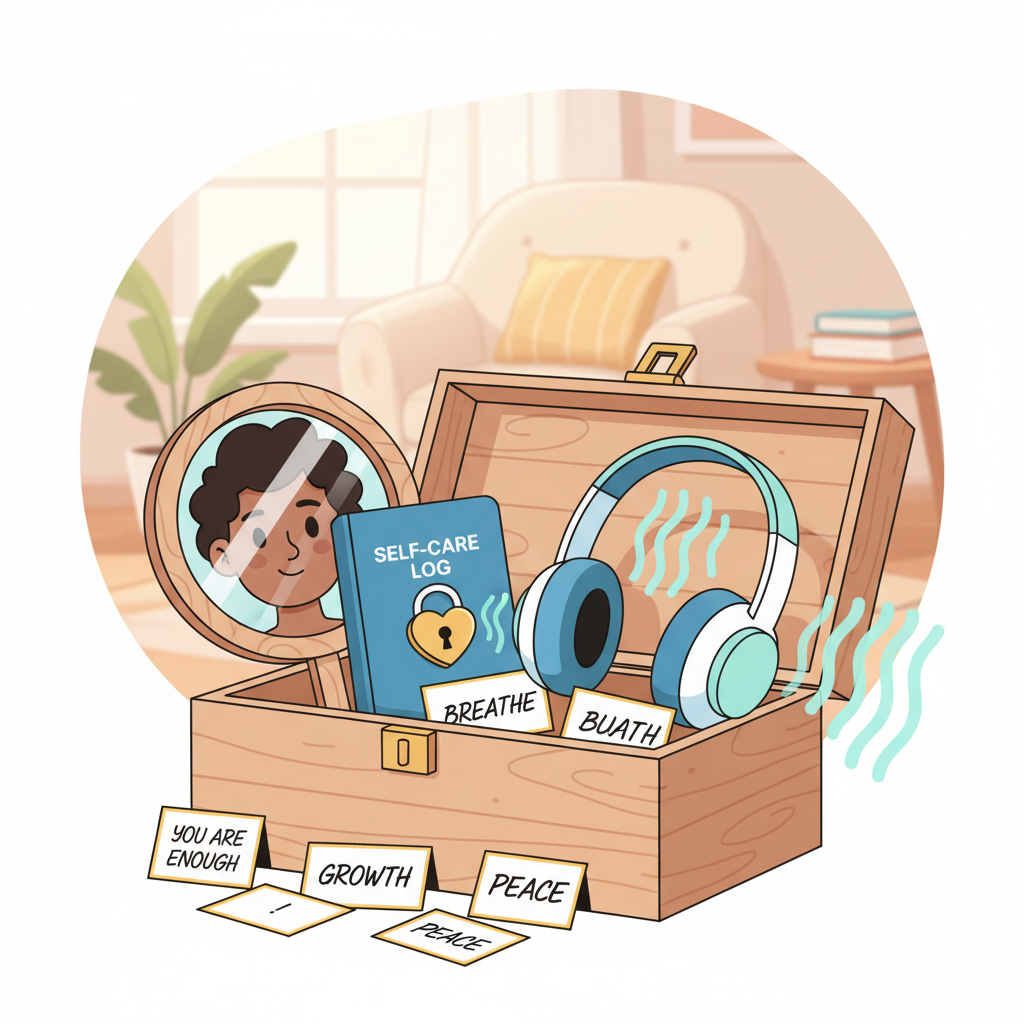
Building Your Personal Shame-Proof Toolkit
Here's what actually works when shame creeps in during or after masturbation.
I keep a mental "reality check" list ready: "This is normal human behavior. My body belongs to me. I'm not hurting anyone." Sounds cheesy, but having these thoughts prepared beats scrambling for reassurance mid-guilt spiral.
The physical stuff matters too. I've learned that shame hits hardest when I'm already stressed or tired. Taking care of basic needs—decent sleep, regular meals, some movement—makes me way less vulnerable to shame storms.
One thing that surprised me: changing my environment helped. I used to feel guilty in my bedroom but not in the shower. So I leaned into what felt natural rather than forcing myself to "get over" certain spaces.
Keep a shame-busting phrase handy. Mine's "My sexuality is mine to explore safely."
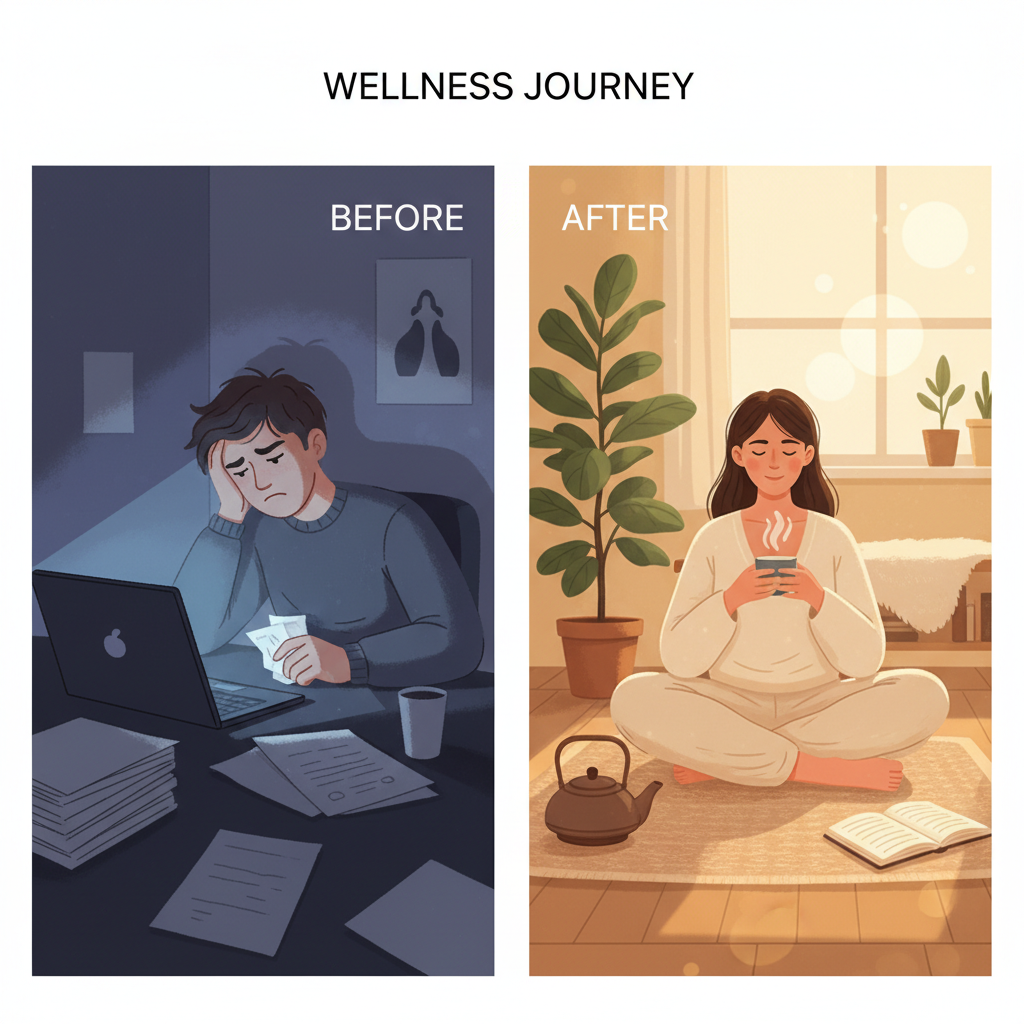
Recovery Rituals That Actually Work
I've tried the whole "just stop feeling guilty" approach – it doesn't work. What does work is building specific practices that actually rewire your response patterns.
The 3-breath reset has been my go-to: when guilt hits, I take three deliberate breaths and say "this is normal human behavior." Sounds simple, but consistency matters more than complexity.
Post-shame journaling helped me identify triggers. I'd write down what specifically triggered the guilt – religious upbringing, social messaging, whatever. Seeing patterns on paper made them less powerful.
The "would I judge my friend?" test works reliably. If my best friend told me they masturbated, would I think less of them? Obviously not. Double standards become obvious when you flip the perspective.
These aren't magic bullets, but they create actual neural pathways away from shame.
Common Questions Answered
What if positive self-talk feels fake when I'm trying to overcome masturbation guilt?
I've found that starting with neutral statements works better than jumping to "I love myself" when you're not there yet. Try something like "This is a normal human experience" or "I'm learning to be kinder to myself" - it feels more honest and your brain won't reject it as bullshit.
What if secular mindfulness techniques don't stop the shame spiral after masturbating?
From what I've seen, the trick isn't stopping the thoughts but changing your relationship with them - when that familiar guilt hits, I'd recommend acknowledging it like "there's that old pattern again" instead of fighting it. Sometimes you need to let the wave of shame pass through you rather than trying to dam it up, which usually just makes it stronger.
My Honest Take
Here's what I'd do: start small with one self-compassion practice that feels doable. Your relationship with yourself matters more than anyone else's opinions about your body.
Key points to remember: • Shame thrives in secrecy and isolation • Self-compassion is a skill, not a feeling • Your body, your choices - no exceptions
The guilt will fade when you stop feeding it with judgment.


