
Boyfriend Addicted to Porn Help: Girlfriends' Support Strategies
Deloop is the #1 porn addiction recovery app. Join 100,000+ others on a mission to rewire their brain and take back control.


You know that sinking feeling when you find browser history that makes your stomach drop? I've talked to countless girlfriends who've discovered their partner's porn habits and felt completely lost about what to do next. Some freeze up and pretend it's not happening. Others explode in anger. A few try to compete with what they've seen online. But here's what I've learned: there are actually supportive ways to approach this situation that can help both of you move forward together.
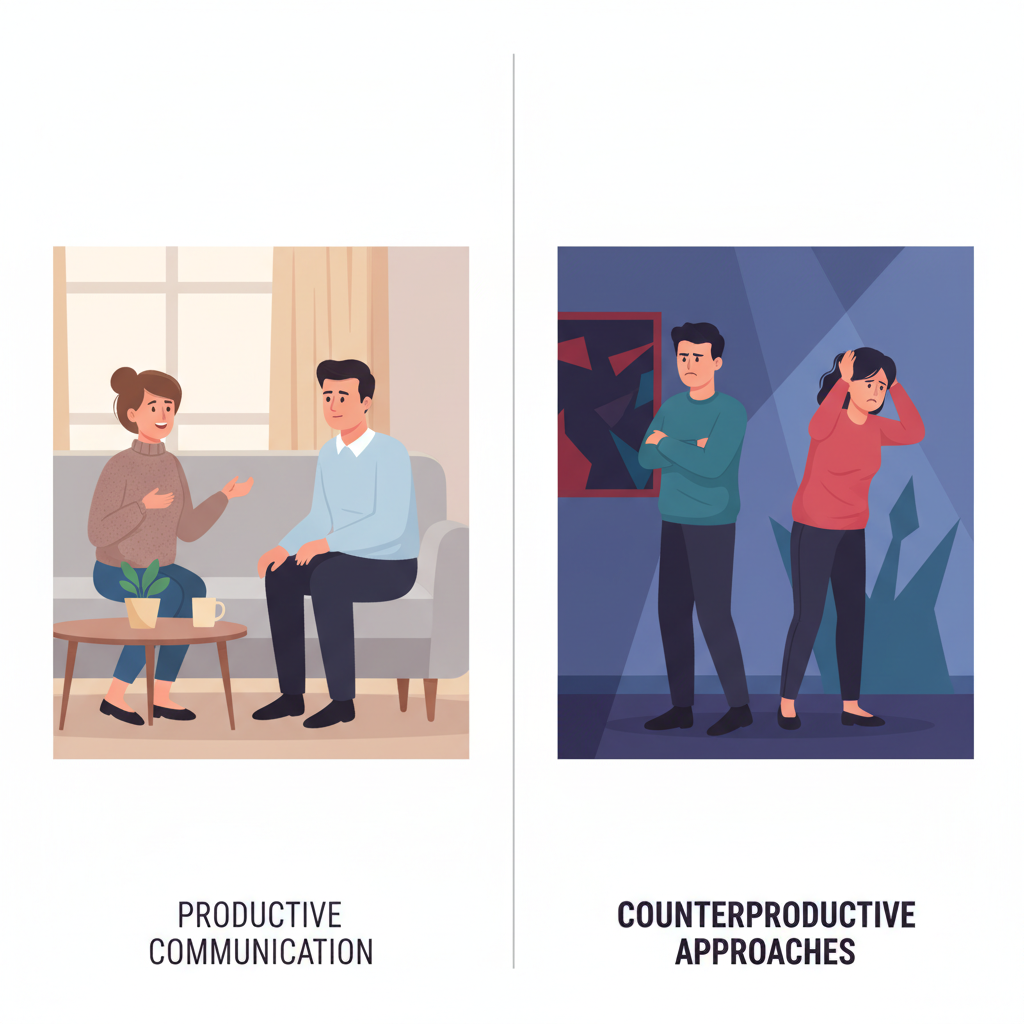
When Confrontation Backfires: Reading the Room Before You Speak
I learned this the hard way after cornering my boyfriend right after he'd had a terrible day at work. He was already defensive and stressed, so when I brought up the porn thing, he completely shut down and turned it into an argument about me "attacking" him.
Timing is everything. Don't ambush someone when they're hangry, exhausted, or already dealing with other stress. I've found the best conversations happen when we're both relaxed - maybe after a nice dinner or during a weekend morning when there's no rush.
Also, read their body language. If they're crossing their arms, looking away, or giving short answers, that's not the moment to dive deeper. Sometimes backing off and trying again later saves you from a fight that goes nowhere.

Building Your Own Support Network Without Broadcasting His Business
• Pick one trusted person who won't gossip - I chose my older sister because she's discreet and has dealt with her own relationship stuff. Don't tell the friend who updates everyone on group chats.
• Use the "friend with similar issues" approach - Find someone who's dealt with addiction or relationship problems. They get it without you having to explain everything.
• Join anonymous support groups online - S-Anon meetings exist for partners of sex addicts. Nobody knows your real name, and you can share without worrying about your social circle finding out.
• Therapists are your safest bet - Worth the money for professional advice that stays completely confidential. I found mine through Psychology Today's search filters.
• Avoid venting to mutual friends - Seriously, just don't. It always gets back to him eventually.
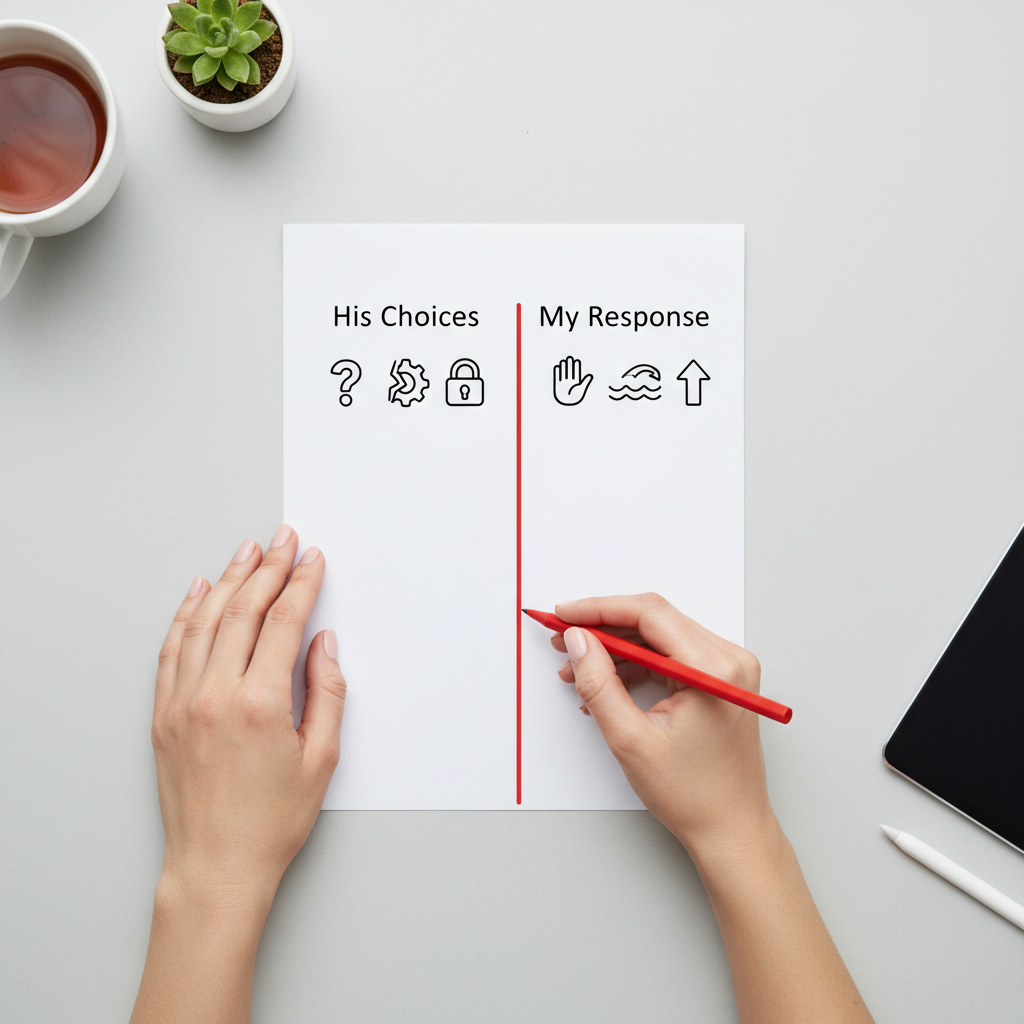
Drawing Non-Negotiable Lines: What You Can and Cannot Control
I learned this the hard way: you need crystal-clear boundaries about what's yours to fix and what isn't.
What you CAN control:
- Your own boundaries (like "I won't have sex if you watched porn today")
- Whether you stay in the relationship
- Your emotional reactions and how you process them
- What you'll tolerate in your home/shared spaces
- Your own healing and therapy
What you CANNOT control:
- His viewing habits when you're not around
- His motivation to actually change
- How quickly he recovers (if at all)
- His honesty about relapses
I wasted months trying to monitor his phone usage and begging him to "just stop." That's his job, not yours. Focus your energy on protecting yourself instead.
What People Ask
My boyfriend won't admit his porn use is a problem - how do I get through to him?
From what I've seen, you can't force someone to see their addiction until they're ready, but setting clear boundaries about how it affects you specifically often works better than general lectures. I'd focus on the concrete ways it's damaging your relationship rather than trying to convince him porn itself is bad.
Should I give my boyfriend an ultimatum about quitting porn or is that too controlling?
Honestly, ultimatums usually backfire because addiction doesn't respond well to pressure, but healthy boundaries absolutely aren't controlling. I'd recommend saying something like "I can't stay in a relationship where porn comes before our intimacy" rather than "quit or we're done" - it puts the choice in his hands while protecting yourself.
How do I support my boyfriend's recovery without becoming his porn addiction police?
The hardest part is learning that your job is to take care of yourself, not monitor his progress - I've watched too many women burn out trying to be accountability partners. Set up your own support system and let him handle his recovery tools while you focus on rebuilding trust when he actually shows consistent change.
Here's My Honest Take
Look, you can't fix him, but you can absolutely protect your own peace. I'd start by finding one trusted friend who gets it - having someone in your corner changes everything. Your feelings matter just as much as his recovery, and pretending otherwise helps nobody.
What's your gut telling you right now?


