
How to Find an Accountability Partner for Porn Addiction Recovery
Deloop is the #1 porn addiction recovery app. Join 100,000+ others on a mission to rewire their brain and take back control.


I remember the exact moment I realized I couldn't do this alone—sitting in my car after another relapse, that familiar knot of shame twisting in my stomach while the radio played some upbeat song that felt completely disconnected from my reality. The silence in my apartment later that night was deafening. I've learned that isolation is addiction's best friend, and breaking that cycle starts with finding someone who gets it. Someone who won't judge the mess you're carrying, but will show up anyway.
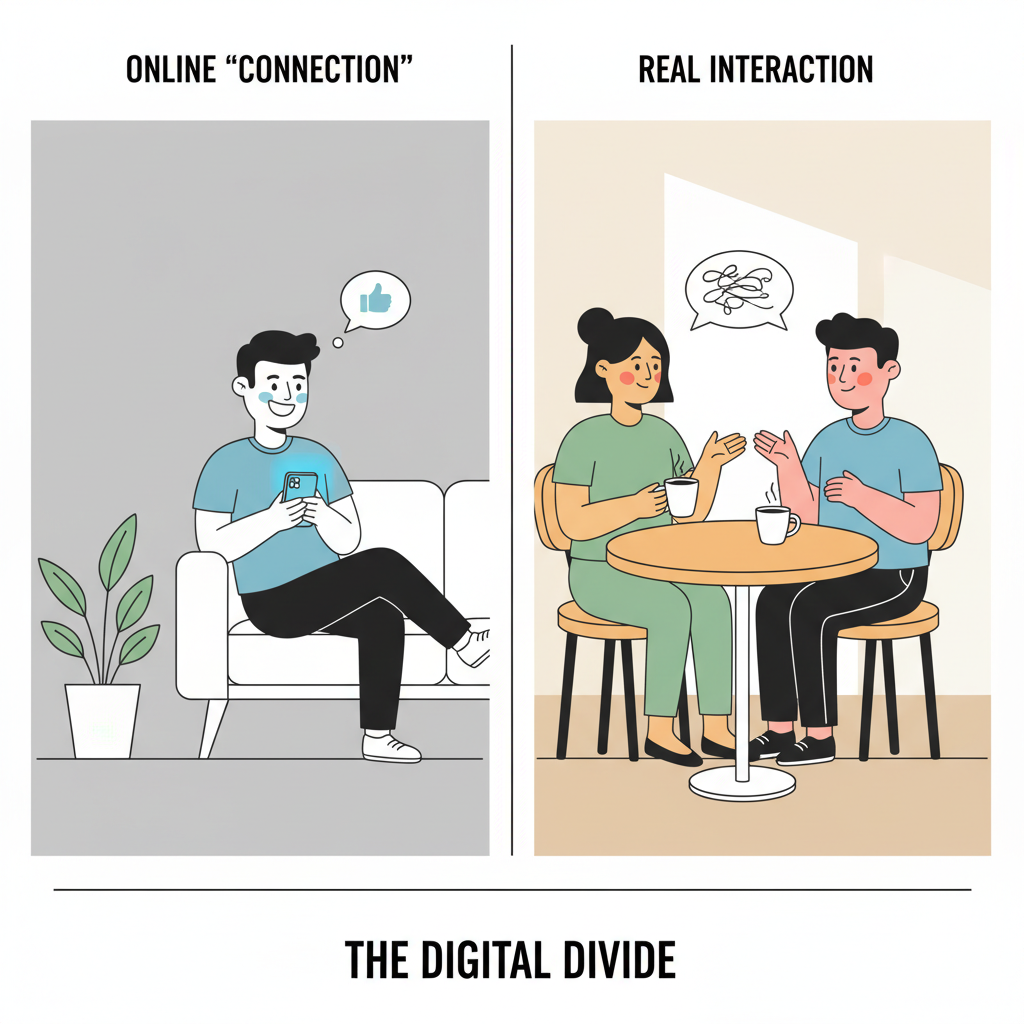
Stop Looking for Perfect – Start Looking for Real
I spent months looking for the "ideal" accountability partner – someone who'd beaten their addiction completely, had perfect availability, and would say exactly what I needed to hear. Total waste of time.
The guy who actually helped me the most? He was still struggling himself, only checked in once a week, and sometimes gave terrible advice. But he showed up consistently and didn't judge me when I relapsed.
Stop holding out for someone who has it all figured out. Look for someone who's genuinely committed to getting better, even if they're messy about it. I've found that people in the thick of recovery often make better partners than those who've been "clean" for years – they remember what the struggle actually feels like.
Your accountability partner doesn't need to be your therapist, mentor, or best friend. They just need to be real.
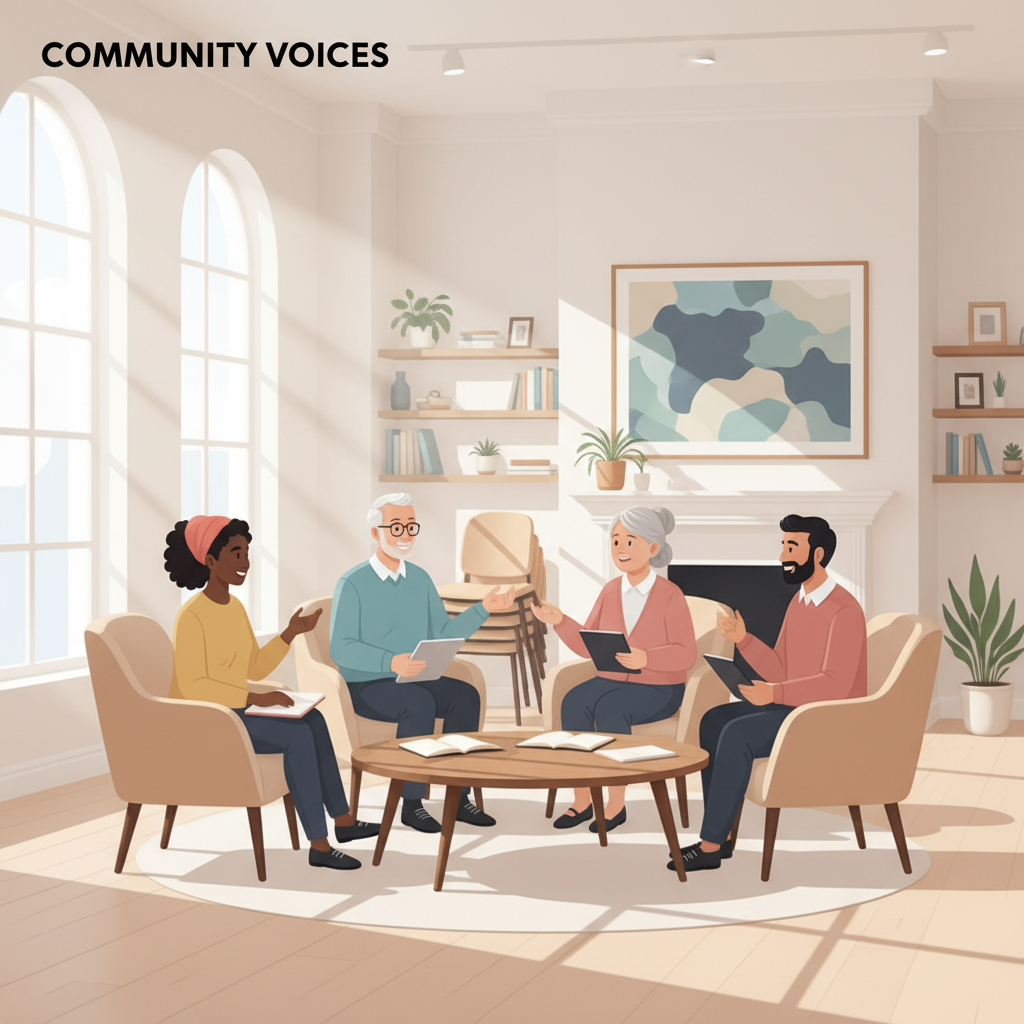
Where the Actually Helpful People Are Hiding
The people who'll actually stick around aren't hanging out in the obvious places. I've found them in recovery-focused Discord servers, niche subreddits like r/pornfree, and through apps like Covenant Eyes' community features. Local SAA meetings work if you can handle the religious undertone - some guys there have been clean for years and know the drill.
Skip the generic "addiction support" Facebook groups. They're mostly people relapsing every three days asking for motivation. Look for smaller communities where people share actual strategies, not just "you got this bro" comments. The best partners I've met were already doing the work, not just starting.
Glossary:
- SAA: Sex Addicts Anonymous, a 12-step program
- Covenant Eyes: Accountability software with community features
- r/pornfree: Reddit community focused on quitting pornography
That First Conversation (And Why It Feels Like Jumping Off a Cliff)
I've started this conversation probably a dozen times in my head before actually having it. The words feel impossible to say out loud: "I have a problem with porn and I need help." Your mouth goes dry, your palms sweat, and you're convinced the other person will judge you or bail completely.
Here's what I've learned works: Start with something like "I'm dealing with something that's affecting my life and I could use someone to check in with me about it." You don't have to dump everything in the first five minutes. I usually gauge their reaction first, then gradually share more details. Most people respect the courage it takes to ask for help.
Building Trust Without Burning Out (Yours or Theirs)
Start Small, Build Gradually I learned this the hard way - don't dump everything on someone week one. Share surface-level stuff first, then go deeper as they prove reliable. Test their reaction to smaller admissions before sharing your worst moments.
Set Clear Expectations Tell them upfront: "I need someone who can handle hearing about relapses without lecturing me." Be specific about what support looks like versus what feels judgmental.
Protect Their Boundaries Don't text at 2am unless it's truly urgent. Respect when they say they're dealing with their own stuff. I've seen partnerships implode because one person became too needy.
Keep It Reciprocal Ask about their struggles too. One-way accountability feels like unpaid therapy and breeds resentment fast.
Frequently Asked Questions
Should I tell my accountability partner about my worst relapses, or will that just make things weird?
I've found it's actually better to share the messy stuff - that's where the real accountability happens. If your partner can't handle hearing about your struggles without judgment, they're probably not the right fit anyway.
How do I find an accountability partner when I'm too embarrassed to ask friends or family?
Online recovery communities like NoFap or SAA groups are honestly your best bet - everyone there gets it without explanation. I'd avoid random internet strangers though; look for established forums with moderators where you can get to know someone first.
What if my accountability partner starts struggling more than I am - do I become responsible for their recovery too?
From what I've seen, this happens a lot and you need clear boundaries from day one. You're both responsible for your own recovery; if they're dragging you down or constantly crisis-mode, it's okay to step back and suggest they find additional support.
My Take on Getting Started
Here's what I'd do: pick one approach from this list and commit to trying it this week. Don't overthink it or wait for the "perfect" partner. Even an imperfect accountability relationship beats going it alone. The hardest part isn't finding someone—it's actually asking. Most people want to help more than you think.


