
How to Stop Edging: 5 Techniques for Breaking the Habit
Deloop is the #1 porn addiction recovery app. Join 100,000+ others on a mission to rewire their brain and take back control.


I used to think I could just "white-knuckle" my way out of edging habits. You know, just decide to stop and magically have the willpower to follow through. Spoiler alert: that approach failed spectacularly every single time. After watching myself and others struggle with this cycle, I've learned there are actually specific techniques that work way better than raw determination alone.
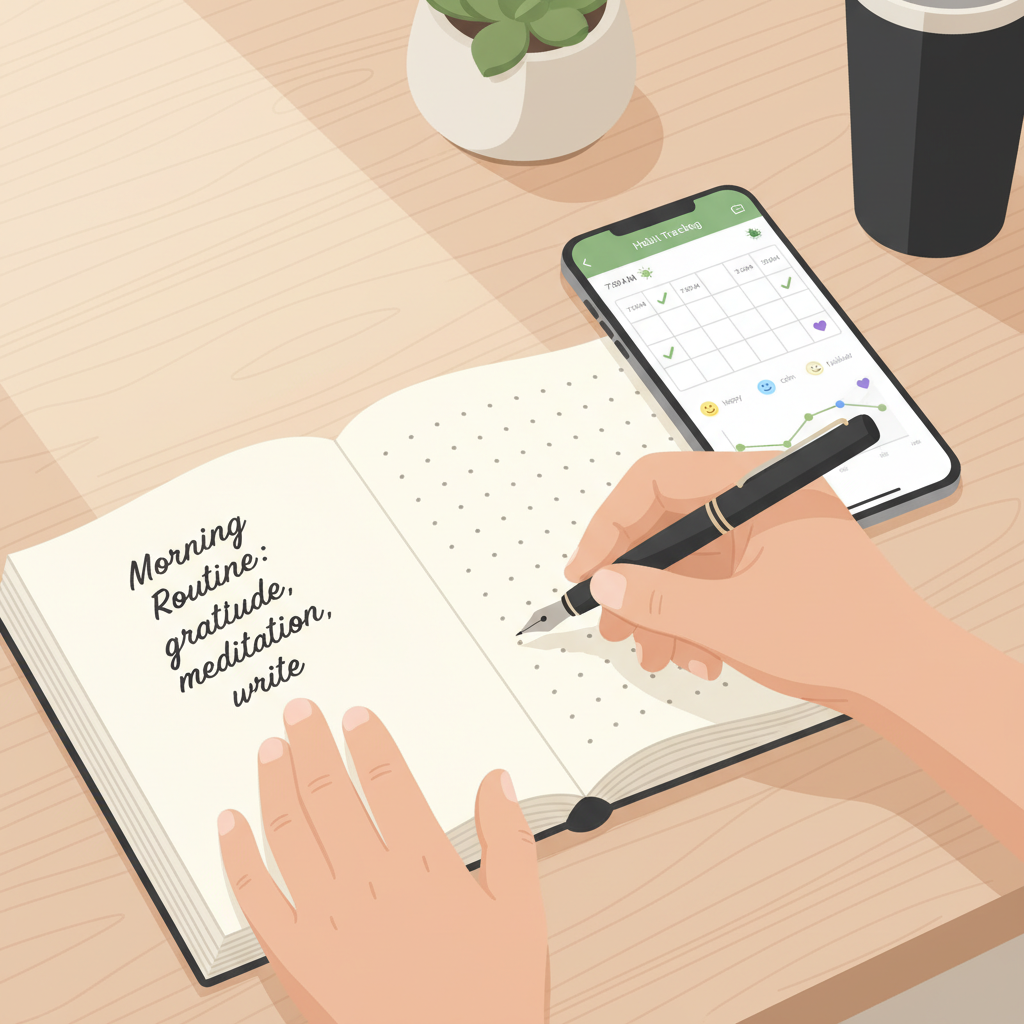
Recognize Your Personal Trigger Patterns Before They Take Hold
I've learned that triggers hit in predictable patterns, and mapping them out actually works. Here's how I break it down:
| When/Where | Emotional State |
|---|---|
| Late evening scrolling | Bored, restless energy |
| Sunday afternoons alone | Lonely, avoiding responsibilities |
| After stressful work calls | Frustrated, need "release" |
| Procrastinating on projects | Anxious, seeking distraction |
The pattern becomes obvious once you write it down. For me, it's almost always some combo of being alone + having unstructured time + feeling some negative emotion I don't want to deal with.
I started setting phone timers during my highest-risk windows and found backup activities that actually satisfy the underlying need. When I'm restless at 10 PM, I do pushups instead of reaching for my phone. Sounds simple, but it works way better than trying to white-knuckle through urges.
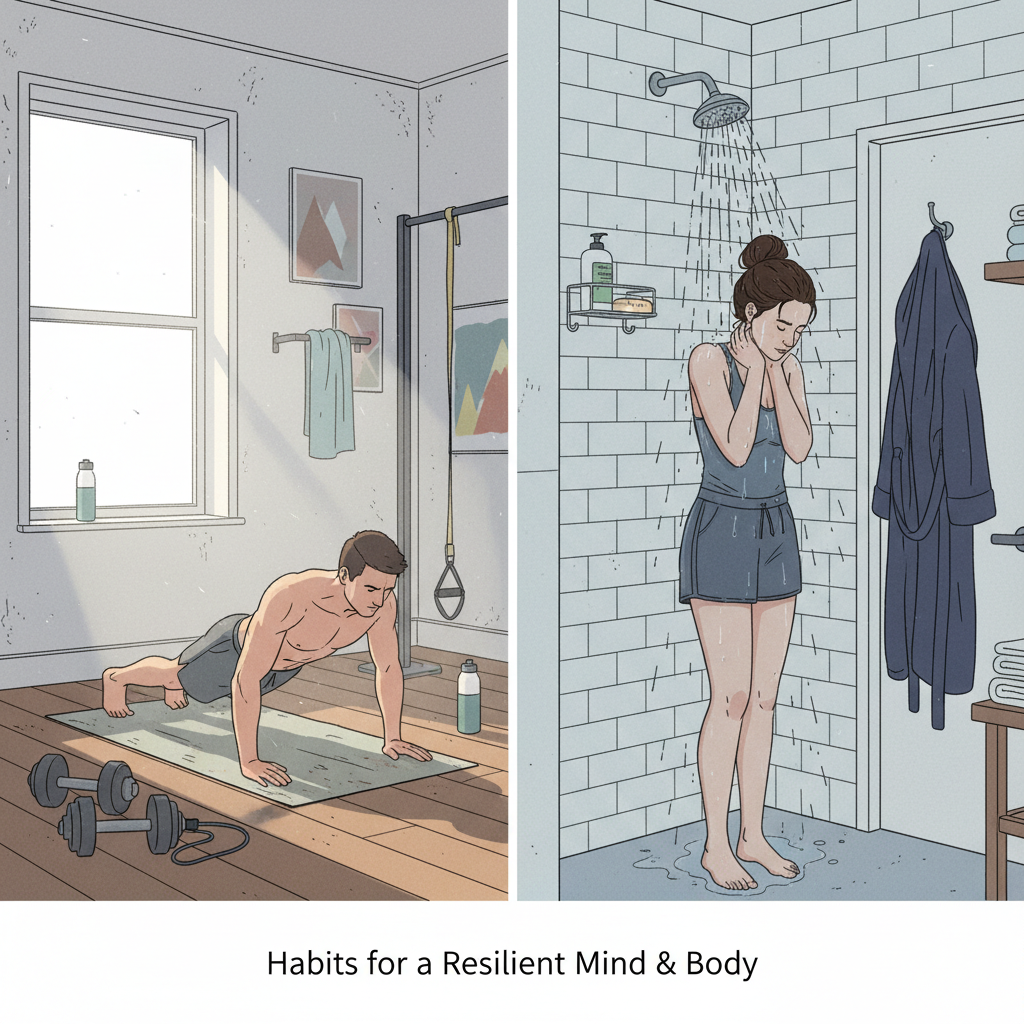
Replace the Urge with Immediate Physical Alternatives
"The moment you feel that urge building, you need something physical to redirect that energy immediately," says Dr. Sarah Chen, a behavioral therapist who specializes in impulse control. "I tell my clients to have three go-to moves ready before they need them."
Chen recommends dropping and doing push-ups, taking a cold shower, or going for a fast walk around the block. "The key is intensity - you want something that demands your full attention and shifts your physical state completely. I've seen people break the cycle just by doing jumping jacks in their bedroom for two minutes."
She emphasizes preparation: "Keep resistance bands by your desk, or commit to sprinting up and down your stairs. The physical shock interrupts the mental pattern before it can take hold."
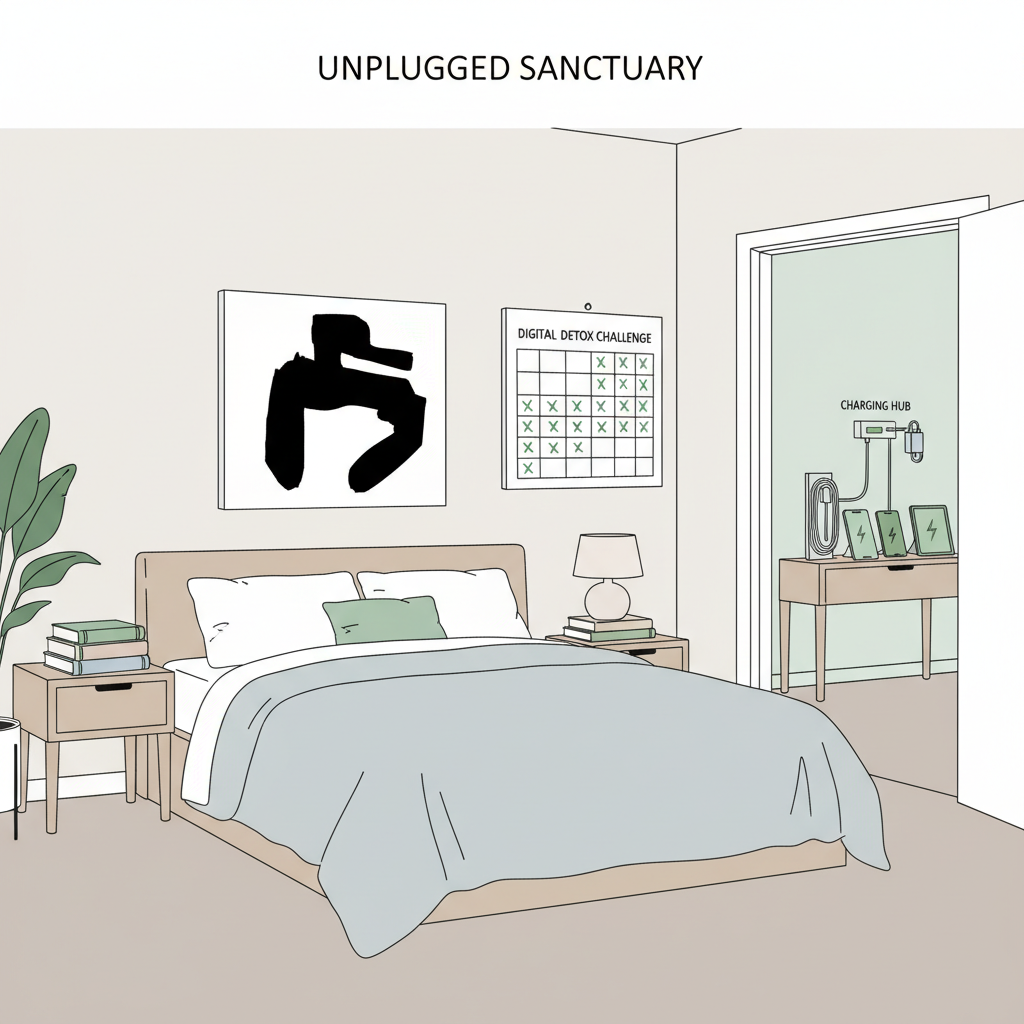
Build Accountability Through Strategic Environmental Changes
I've learned the hard way that willpower alone isn't enough. You need to physically change your environment to make edging harder to do.
Start by moving your computer out of your bedroom. I put mine in the living room where anyone could walk by. Makes it pretty awkward to get carried away when your roommate might grab a snack from the kitchen.
Install website blockers during your usual trigger times. I use Cold Turkey because it's ruthless - no easy override buttons when you're feeling weak at 2 AM.
Change your phone habits too. Keep it charging in another room overnight, or at least face-down across the room. The extra steps matter when you're half-awake and reaching for it.
Your environment either supports your goals or sabotages them. Choose wisely.
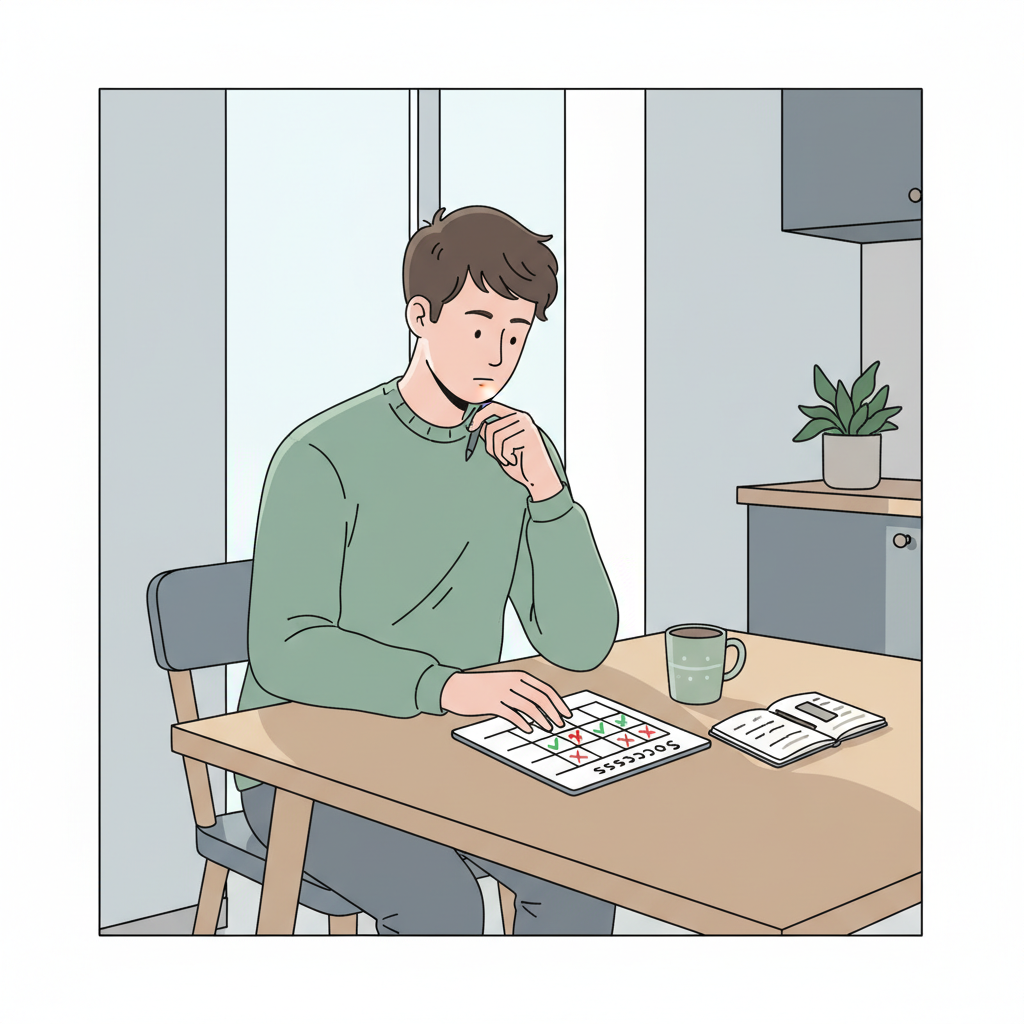
Navigate Setbacks Without Derailing Your Progress
Immediate Recovery
When you slip up, I've learned the key is moving on within minutes, not hours. Don't spiral into self-hatred or binge because "I already messed up today." Set a timer for 5 minutes, feel whatever you need to feel, then get back to your routine.
Pattern Recognition
Track when setbacks happen - I noticed mine clustered around stress, boredom, or late nights. Once you see the pattern, you can prepare. If Thursday evenings are your danger zone, plan something else for that time.
Damage Control Mindset
Think of setbacks like stumbling while running - you don't stop and walk home, you keep running. One slip doesn't erase weeks of progress. I treat each day as independent rather than part of some perfect streak that's now "ruined."
Support System Activation
Have someone you can text immediately after a setback. Not for shame, just accountability.
What People Ask
How long does it take to break the edging habit if you're just starting to address it?
From my experience, complete beginners usually see real progress in about 2-3 weeks if they're consistent with the techniques, but honestly, the first week is brutal and you'll probably slip up a few times before it clicks.
What's the most effective technique for someone who works from home and has constant triggers throughout the day?
I'd recommend the "scheduled breaks" approach where you physically leave your workspace every 90 minutes - go outside, call someone, anything that breaks the cycle. Working from home makes it way too easy to fall into old patterns when you're alone with your thoughts and devices.
Is it harder to stop edging if you've been doing it for years versus someone who's only been at it for a few months?
Yeah, it's definitely tougher when it's been your go-to habit for years because your brain has basically wired itself to expect that dopamine hit. I've found that people with longer habits need to be more patient with themselves and usually benefit from combining multiple techniques rather than relying on just one approach.
The Real Talk
Look, I've been there – edging feels like control until it becomes the thing controlling you. My honest take? Pick one technique from above and stick with it for two weeks, no matter how awkward it feels at first.
But here's what I'm curious about: what made you realize this was a problem worth solving?


