
PMO Withdrawal Symptoms: Complete Timeline and Coping Strategies
Deloop is the #1 porn addiction recovery app. Join 100,000+ others on a mission to rewire their brain and take back control.


Ever wonder why that first week feels like your brain is actively rebelling against you? I've been there – staring at the ceiling at 2 AM, dealing with mood swings that make zero sense, and questioning if this whole journey is even worth it. The thing is, PMO withdrawal hits different than people expect. It's not just about willpower or "staying busy." Your brain is literally rewiring itself, and that process comes with some pretty intense side effects that nobody really talks about openly.
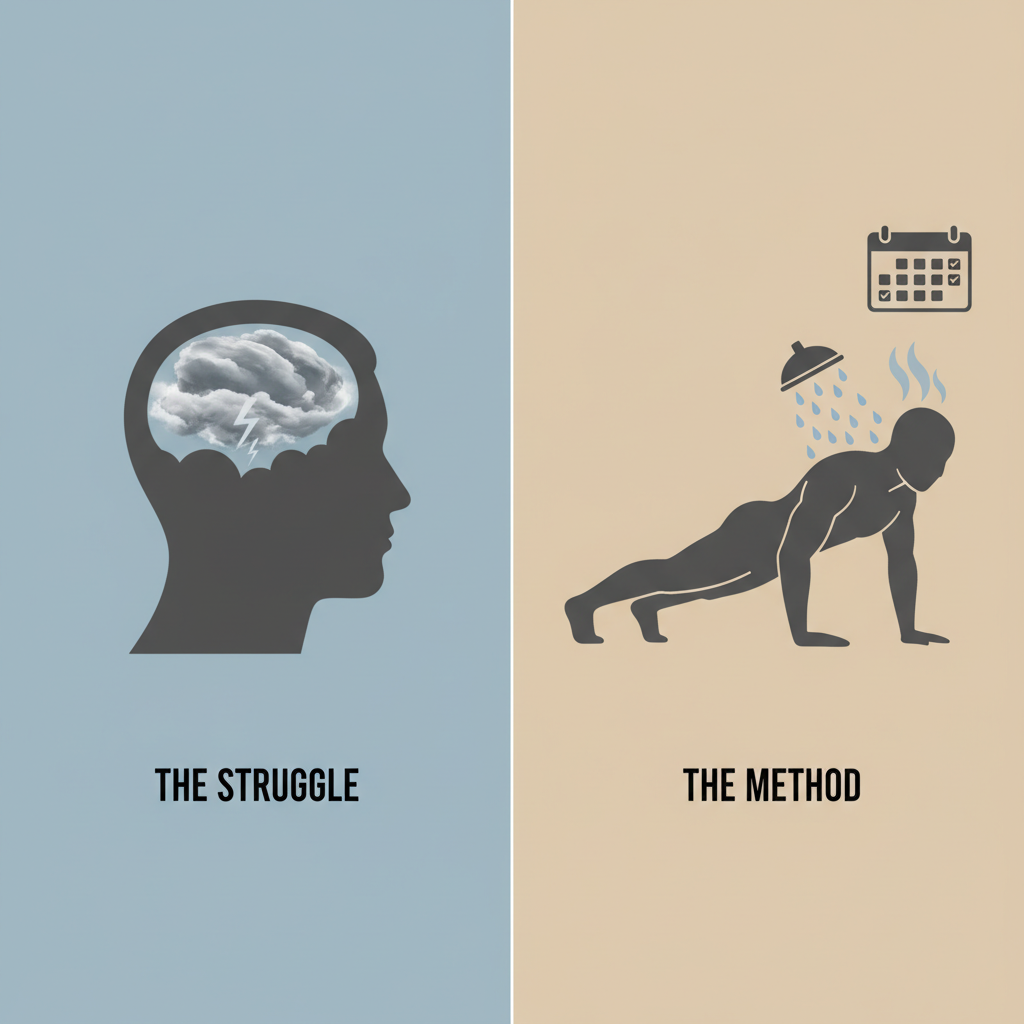
Days 1-7: Your Brain's Chemical Rebellion and Emergency Tactics
Your brain is going to throw a tantrum. I'm talking mood swings that make a toddler look reasonable, random anxiety spikes, and that foggy feeling where you can't think straight.
What's actually happening: Your dopamine receptors are screaming for their usual hit. Think of it like unplugging a slot machine that's been running 24/7 - everything feels dull and irritating.
Emergency tactics that saved me:
- Cold showers when the urges hit hardest (usually mornings and late evenings)
- Keep your hands busy - I literally carried a stress ball everywhere
- Change your environment immediately when triggers pop up. Different room, go outside, whatever
- Protein-heavy meals. Your brain needs fuel to rebuild, and carb crashes make everything worse
The restlessness and insomnia are normal. Your sleep will be garbage for about 5 days, then gradually improve.
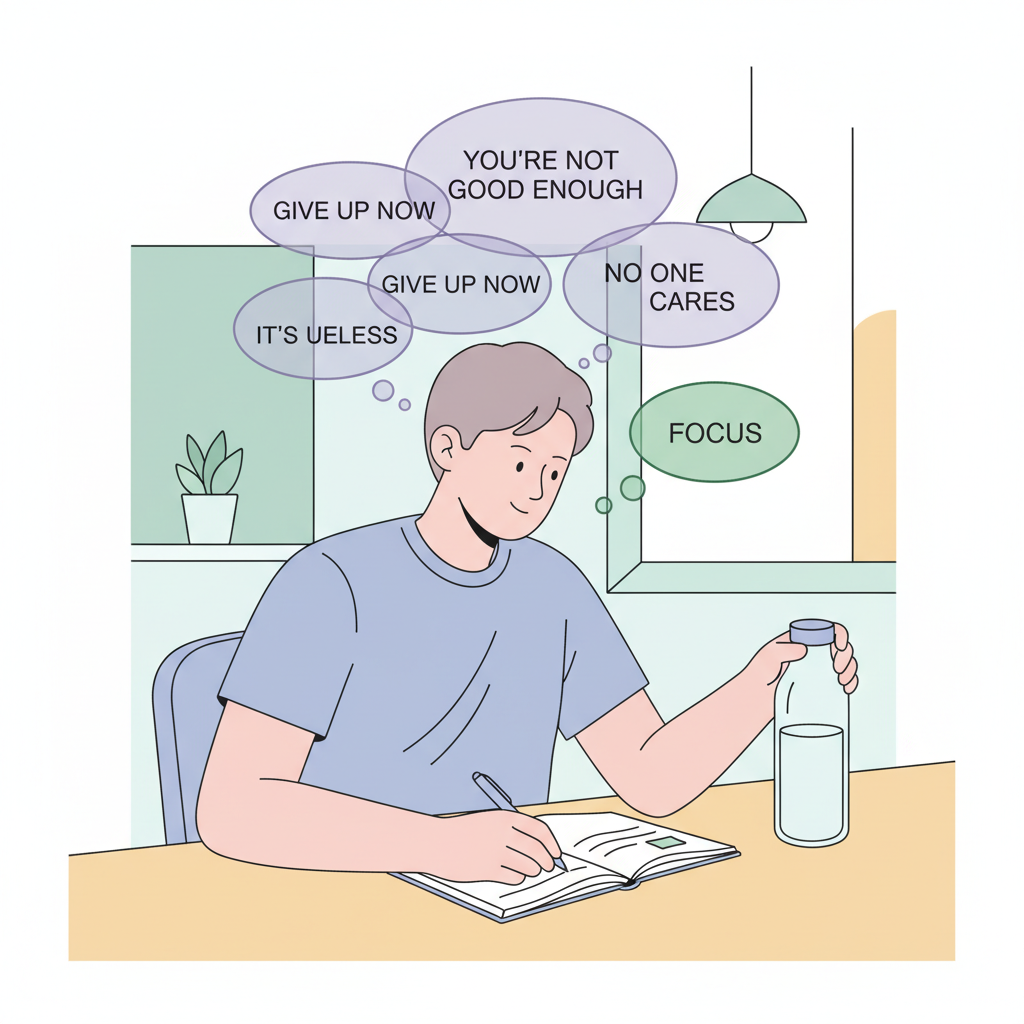
Weeks 2-4: When Your Mind Plays Dirty Tricks (and How to Fight Back)
This is where things get sneaky. Your brain starts bargaining like a desperate car salesman. "Just once won't hurt," or "You need to check if everything still works properly." I've heard every excuse imaginable.
What caught me off-guard was how creative the justifications became. Your mind will literally invent research studies that don't exist or convince you that "edging" doesn't count. It's wild.
My go-to defense became the 10-minute rule: when urges hit, I'd do jumping jacks for 60 seconds, then set a timer for 10 minutes. If I still wanted to relapse after that timer, I could consider it. Never once made it past 6 minutes before the feeling passed.
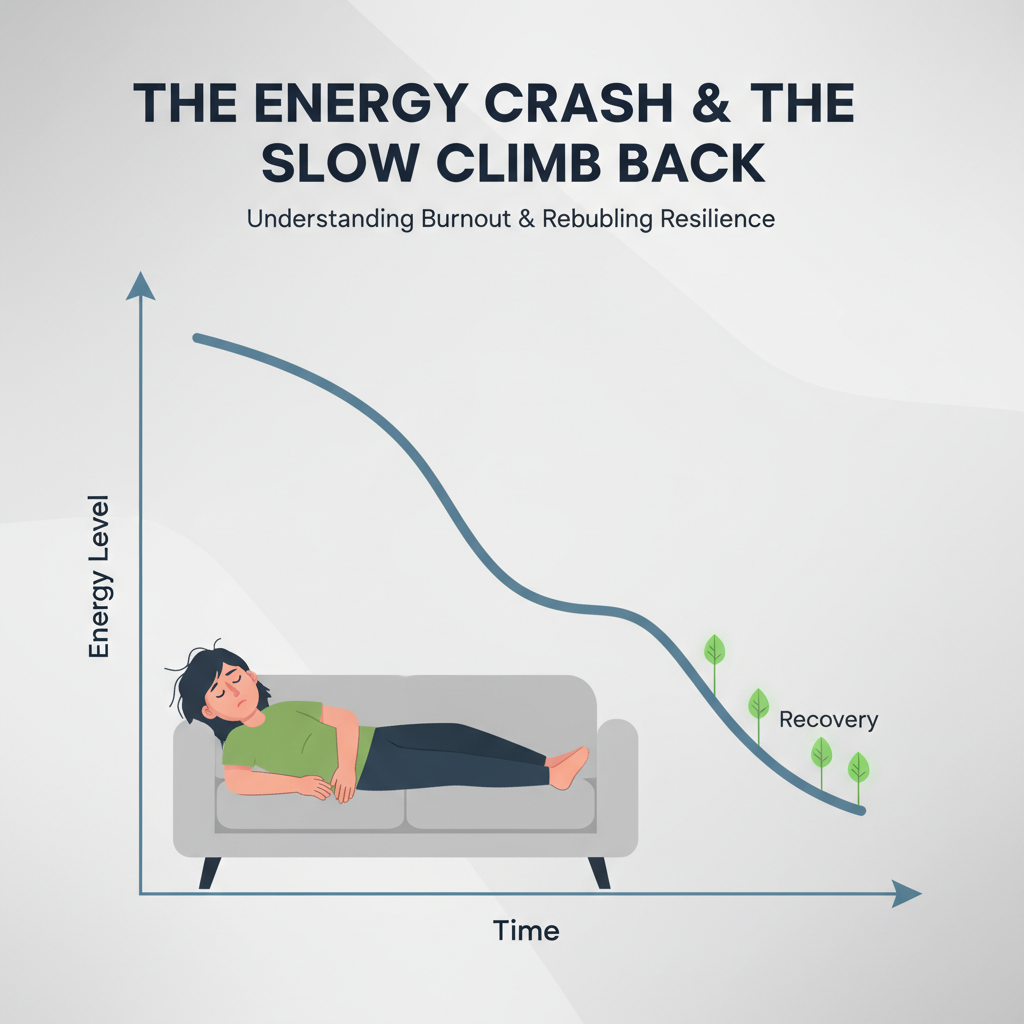
Months 1-3: The Flatline Phase and Why Your Energy Crashed
This is where things get really tough, and honestly, where most people quit. I call it the flatline phase because you feel like a zombie - no energy, no motivation, zero libido. It's like your brain just shut down all the reward systems.
What's happening is your dopamine receptors are basically fried from years of overstimulation. Your brain is recalibrating, but it takes time. I remember feeling like I could barely get out of bed some days. Simple tasks felt overwhelming.
The worst part? You start questioning everything. "Was I better off before?" "Is this even worth it?"
Here's what helped me survive: accept that you'll feel like garbage for a while. Don't make major life decisions during this phase. Focus on the basics - sleep, exercise, decent food. This fog will lift, but month 2 is usually the absolute worst.
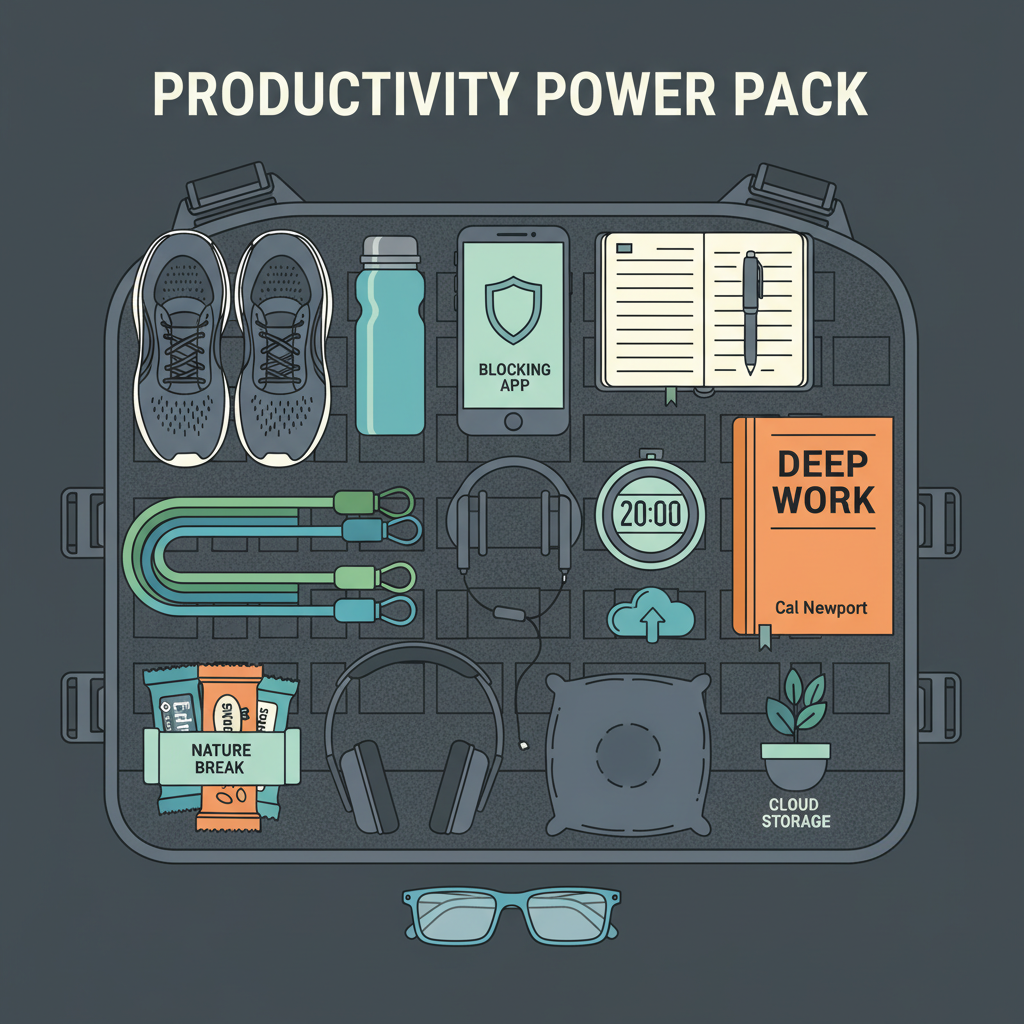
Your Personal Arsenal: 12 Instant Urge-Killers That Actually Work
When an urge hits, you need weapons ready. I've tested these during my worst moments, and they work if you actually use them:
Physical disruption: Cold shower, pushups until failure, or sprint outside. Your brain can't maintain arousal when your body's in shock mode.
Location change: Leave your room immediately. I go to a coffee shop or call someone while walking.
The 10-minute rule: Promise yourself you can indulge after 10 minutes. Set a timer. Most urges die during the wait.
Accountability text: Send "struggling right now" to your accountability partner before you can talk yourself out of it.
Productive replacement: Have a specific task ready—cleaning, calling family, or tackling that project you've been avoiding. Channel the energy instead of fighting it.
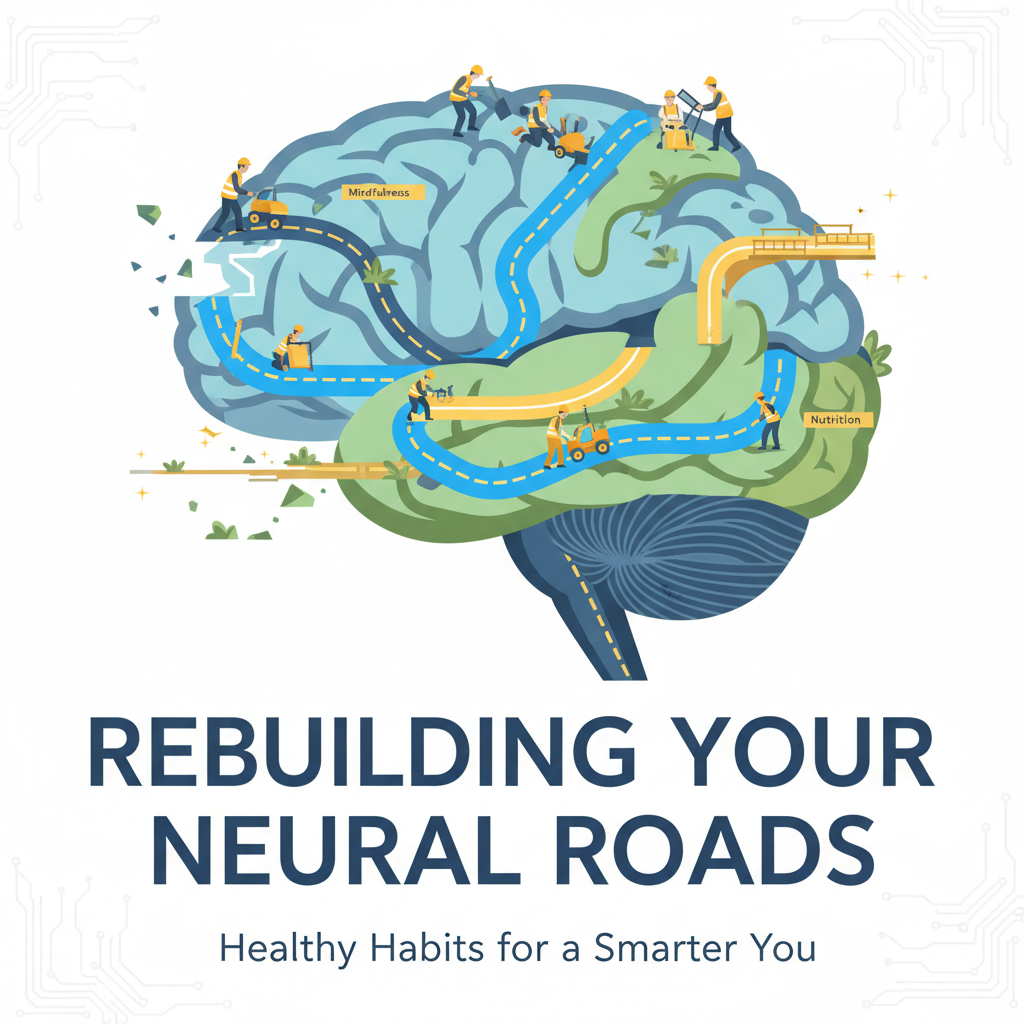
Months 3-12: Rebuilding Real Dopamine Pathways Without Relapse
This is where the real work happens. Your brain's slowly rewiring itself, but it's fragile as hell. I've seen guys get cocky at month 4 and relapse immediately.
What saved me was building genuine dopamine sources before I felt "ready." Started rock climbing at month 3 when I still felt like garbage. The accomplishment of finishing a route gave me something real to chase instead of pixels.
The key insight: don't wait for motivation. Your reward system is still broken. Force yourself into activities that create natural dopamine spikes - exercise, creative projects, social connections. Stack these consistently and your brain gradually stops craving the artificial stuff.
Your Questions, Answered
What if the brain fog and concentration issues aren't getting better after 30 days?
Don't panic - I've seen this drag on for 60-90 days in guys who were really heavy users. Start doing basic cognitive exercises like reading for 15 minutes daily or doing puzzles, and make sure you're sleeping 7+ hours because your brain literally can't heal without proper rest.
What if I keep relapsing during the flatline period when I have zero motivation?
The flatline is brutal because you feel like garbage but also have no energy to fight urges - it's like being attacked when you're already down. I'd say plan your days hour by hour during this phase and remove every possible trigger from your environment, because willpower alone won't cut it when you're running on empty.
What if the anxiety and mood swings are getting worse instead of better after the first week?
This actually happens a lot around week 2-3 when your dopamine system is really struggling to adjust. From what I've seen, light cardio helps more than anything else - even just 20 minutes walking - because it naturally boosts mood chemicals without feeding the addiction cycle.
My Honest Take
Here's what I'd do: track your symptoms in a simple journal app and find one person you trust to check in with weekly. The timeline helps, but having real support makes all the difference when things get rough.


