
Understanding the Porn Addiction Dopamine Cycle: Why You Can't Stop
Deloop is the #1 porn addiction recovery app. Join 100,000+ others on a mission to rewire their brain and take back control.


Here's the brutal truth I've learned working with guys stuck in porn cycles: your brain isn't broken, it's just doing exactly what it evolved to do. The dopamine system that helped our ancestors survive is now working against you, creating a loop that feels impossible to escape. I'm going to show you exactly how this cycle works and why willpower alone never cuts it.
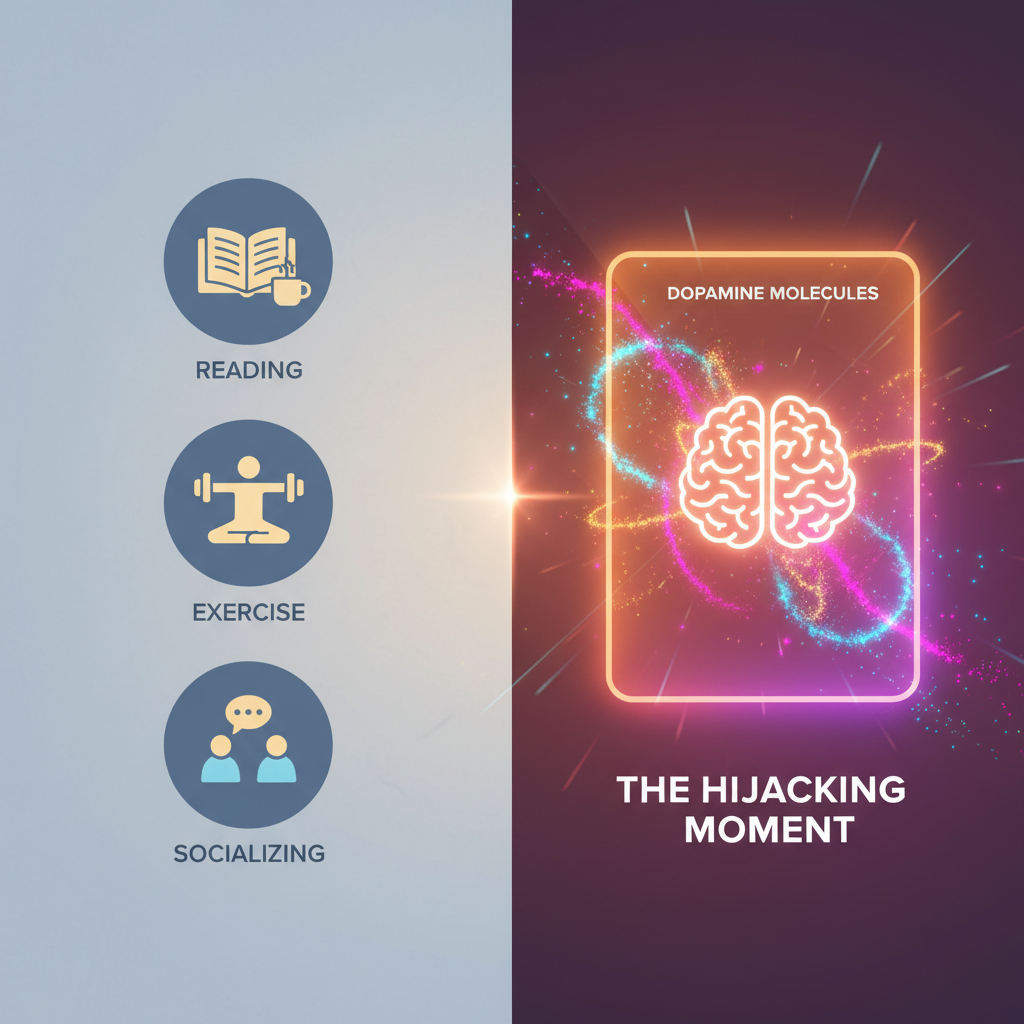
The Moment Your Brain Hijacks Your Evening Plans
You're sitting there with actual plans—gym session, catching up with a friend, working on that side project. Then your brain starts that familiar negotiation: "Just a quick browse, then I'll do the productive thing."
I've noticed this moment is crucial. Your dopamine system has learned that porn delivers way more reward than going to the gym ever will. So it literally makes the healthy choice feel boring and pointless. The hijack happens before you even realize you're making a choice. Suddenly it's 11 PM and you're wondering where your evening went.
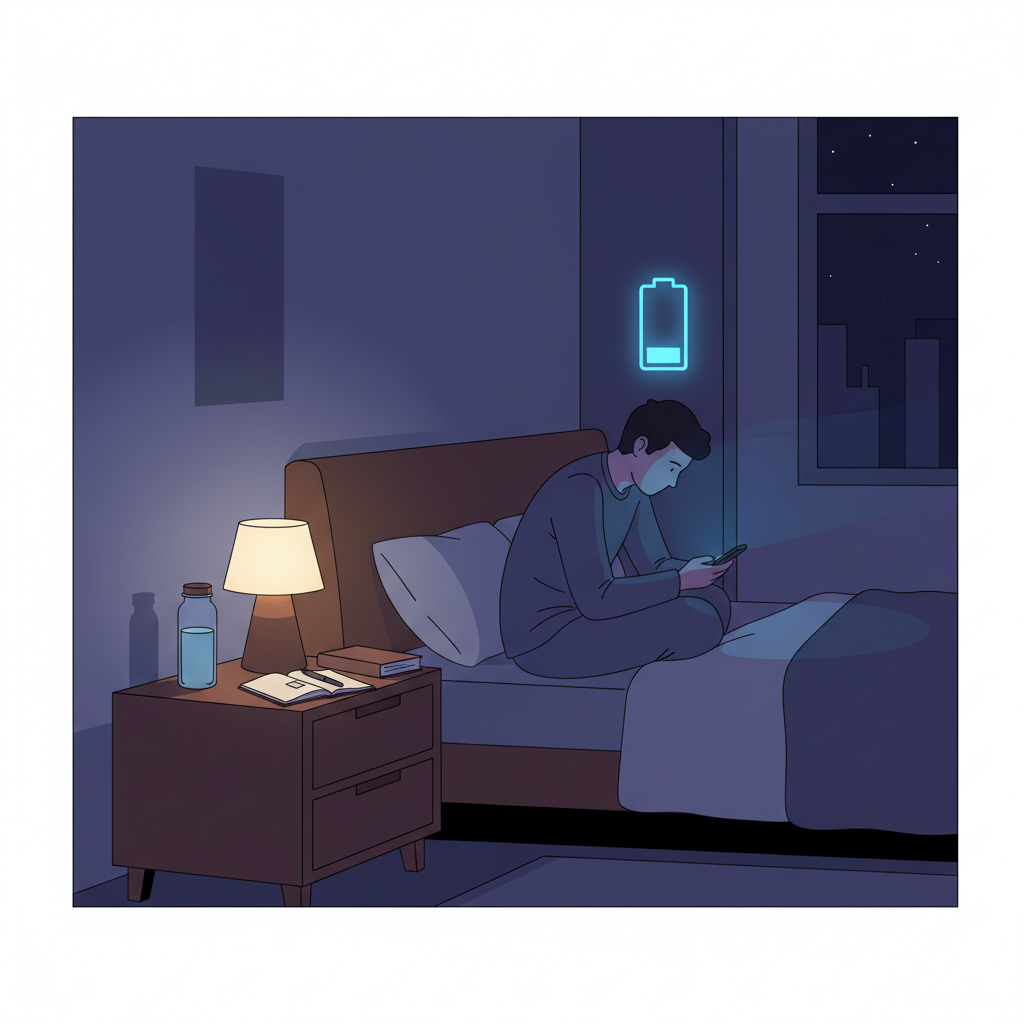
Why Your Willpower Crashes at 3 AM (And What Actually Works Instead)
Your brain's prefrontal cortex literally shuts down when you're tired. I learned this the hard way - those late night "just checking my phone" moments always led to relapses. Your rational brain goes offline first, leaving the dopamine-hungry parts in charge.
Sleep deprivation makes you chase quick dopamine hits harder. When I was running on 4-5 hours of sleep regularly, everything felt impossible except the instant gratification stuff. Your depleted brain starts seeking the easiest reward available.
Set a hard phone curfew at 10 PM and stick to it. I put my phone in another room and use an actual alarm clock. Sounds extreme, but removing the access point when your willpower is weakest actually works.
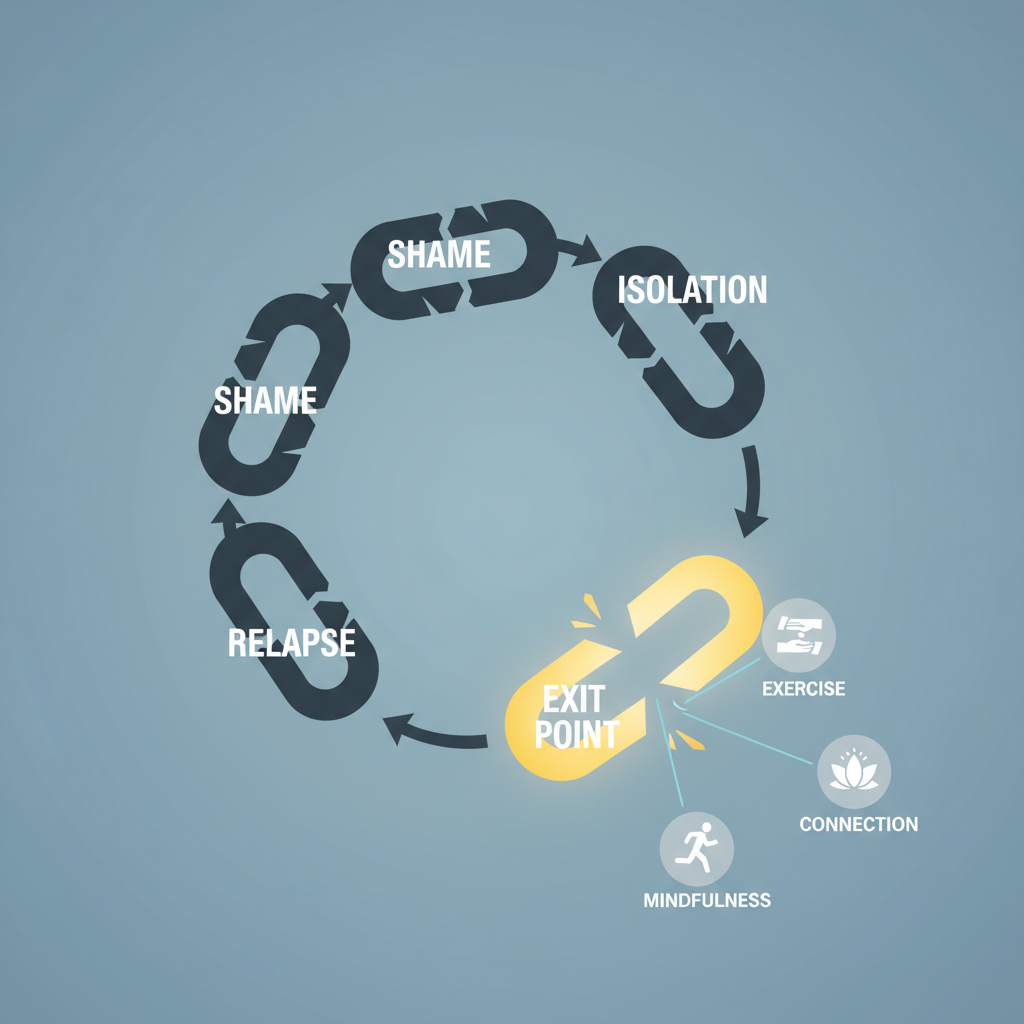
Breaking the Shame-Relapse Loop That Keeps You Trapped
The worst part isn't the relapse itself—it's what happens next. You feel like garbage, tell yourself you're weak, and that shame actually drives you straight back to porn for relief. I've watched this cycle destroy people for years.
Here's what actually works: treat relapses like data, not moral failures. When I started tracking my triggers without judgment—just noting "stressed about work deadline" or "lonely after argument with partner"—patterns became obvious. The shame voice in my head was literally making recovery harder.
The research on self-compassion versus self-criticism is pretty clear here. People who beat themselves up relapse more often and recover slower. Your brain is already hijacked by dopamine dysfunction; adding shame just gives it another reason to seek that quick hit of relief through porn.
Stop making recovery about willpower. Make it about understanding your patterns.
Your Questions, Answered
Does the dopamine stuff actually explain why I keep relapsing after a few days clean?
Yeah, from what I've experienced, those first few days your brain is basically screaming for the dopamine hit it's used to getting, which is why willpower alone usually crashes and burns around day 3-5. The cycle keeps you stuck because your brain has literally rewired itself to crave that specific dopamine spike, so regular life feels flat and boring in comparison.
Is understanding the dopamine cycle actually worth it, or is it just another excuse to avoid real change?
I'd say understanding it is worth it because it stops you from beating yourself up thinking you're just "weak" - but only if you use that knowledge to actually change your approach instead of just having a fancy explanation for why you keep failing. Once I realized my brain was working against me, I could start planning around those dopamine crashes instead of just hoping willpower would magically work this time.
What I'd Do Next
Here's my take: understanding the dopamine cycle is just step one. If this resonates, I'd dig into neuroplasticity research next - how your brain actually rewires itself. The book "The Brain That Changes Itself" blew my mind on this stuff. Knowledge without action stays knowledge, but at least now you know what you're really fighting.


