
Porn Addiction and Depression: Which Comes First and How to Heal
Deloop is the #1 porn addiction recovery app. Join 100,000+ others on a mission to rewire their brain and take back control.


Here's the bottom line: I've watched guys spiral into this chicken-and-egg nightmare where they can't tell if porn is making them depressed or if depression drove them to porn in the first place. It's like being stuck in quicksand – the more you struggle to figure out which problem to tackle first, the deeper you sink. I've been there myself, and I've learned that asking "which came first" is actually the wrong question entirely.
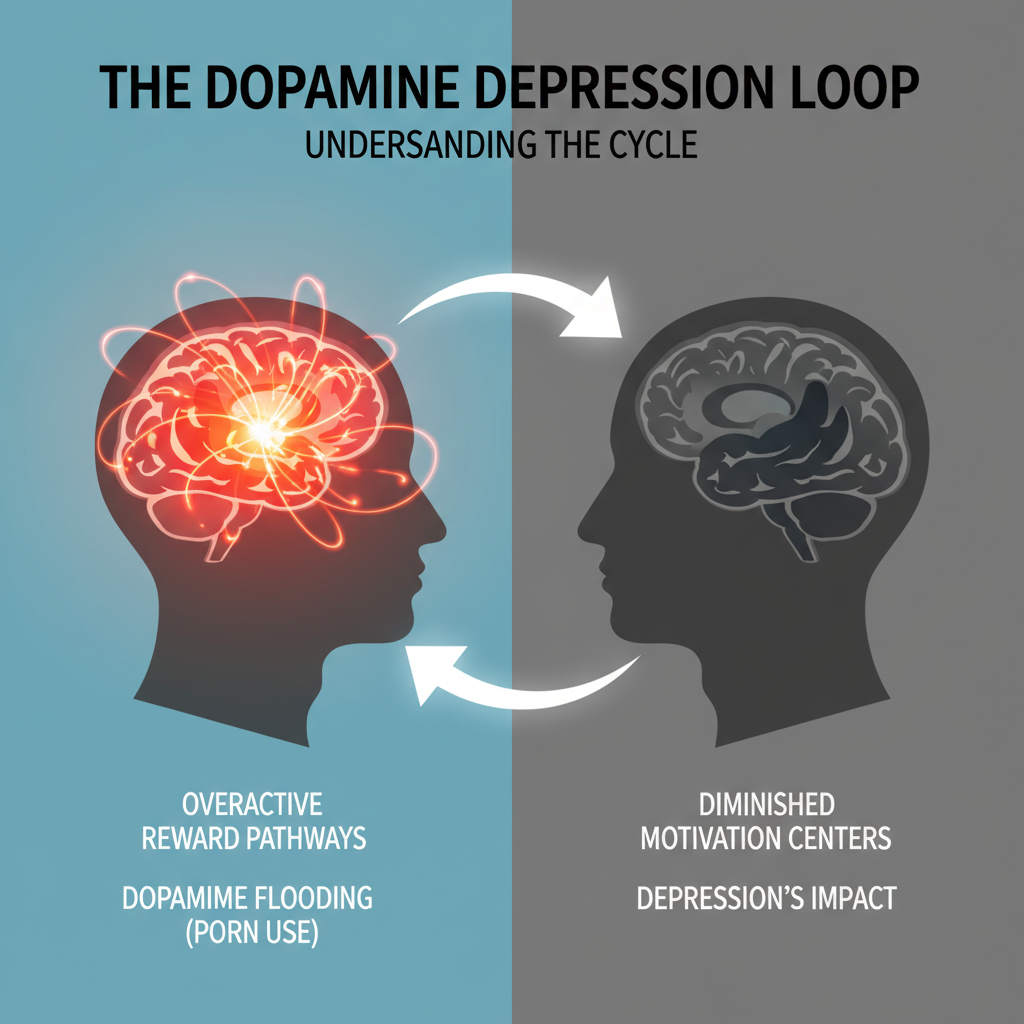
Breaking the Shame Spiral: Why Your Brain Creates This Vicious Loop
Here's what I've learned about the shame spiral - it's literally your brain's worst feedback system gone haywire.
You watch porn, feel disgusted with yourself afterward, then depression hits harder because now you've "failed again." The depression makes everything feel hopeless, which drives you straight back to porn for temporary relief. Rinse and repeat.
Your brain treats shame like physical pain. When you're already depressed and pile shame on top, it creates this desperate need for immediate comfort - and porn delivers that dopamine hit faster than anything else.
I've noticed the spiral gets strongest right after you've had a few clean days. That's when the shame voice gets loudest: "See? You can't even make it a week." The trick is recognizing that this voice isn't truth - it's just your brain's broken alarm system.
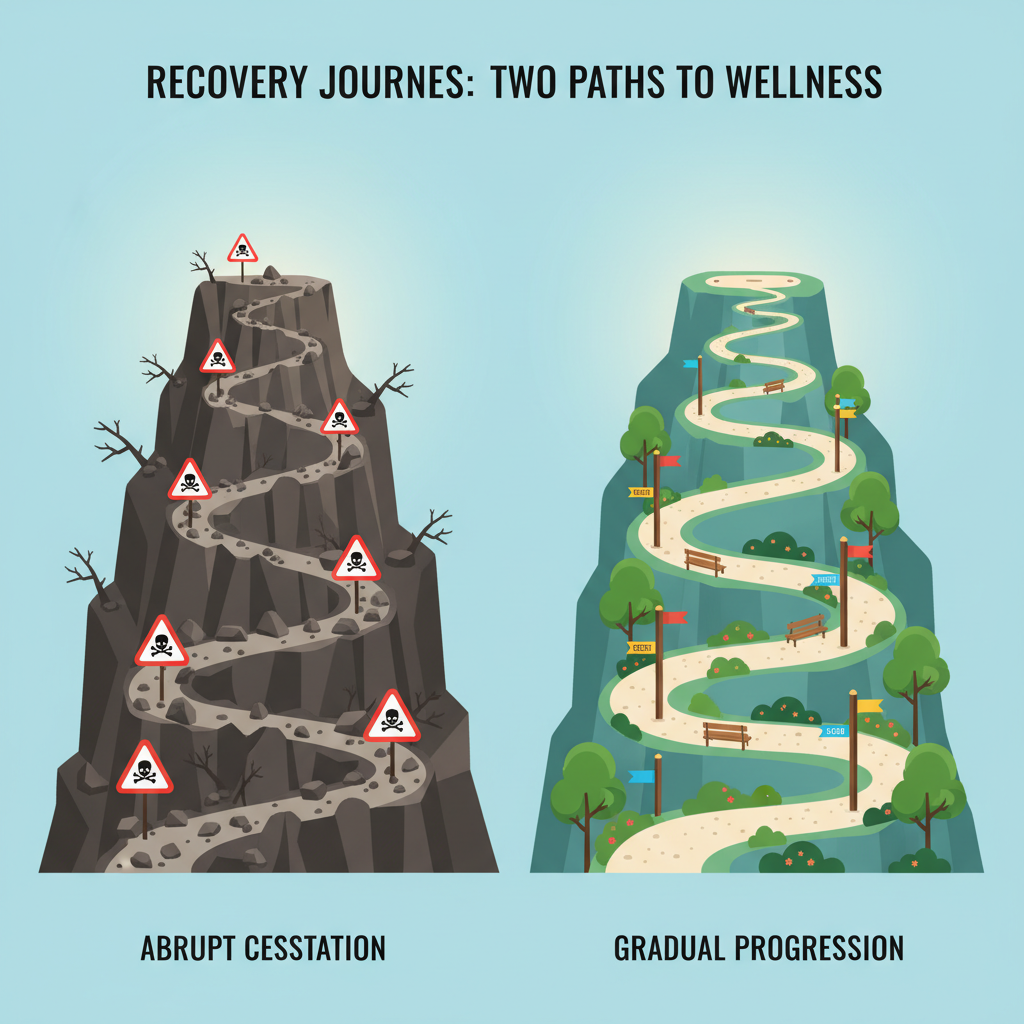
Cold Turkey vs. Gradual Detox: Real Recovery Timelines That Actually Work
1. Cold turkey works better for most people - I've watched too many "gradual" attempts turn into elaborate justification systems. When you're dealing with both porn addiction and depression, half-measures usually fail because your brain finds every loophole.
2. Expect 2-3 brutal weeks, then noticeable improvement - The first month is genuinely awful. Your mood will crash harder before it gets better. But around week 4, I've seen people report clearer thinking and less shame spirals.
3. Gradual only works with external accountability - If you're tapering down, someone else needs to control your access completely. Otherwise you're just negotiating with your addiction.
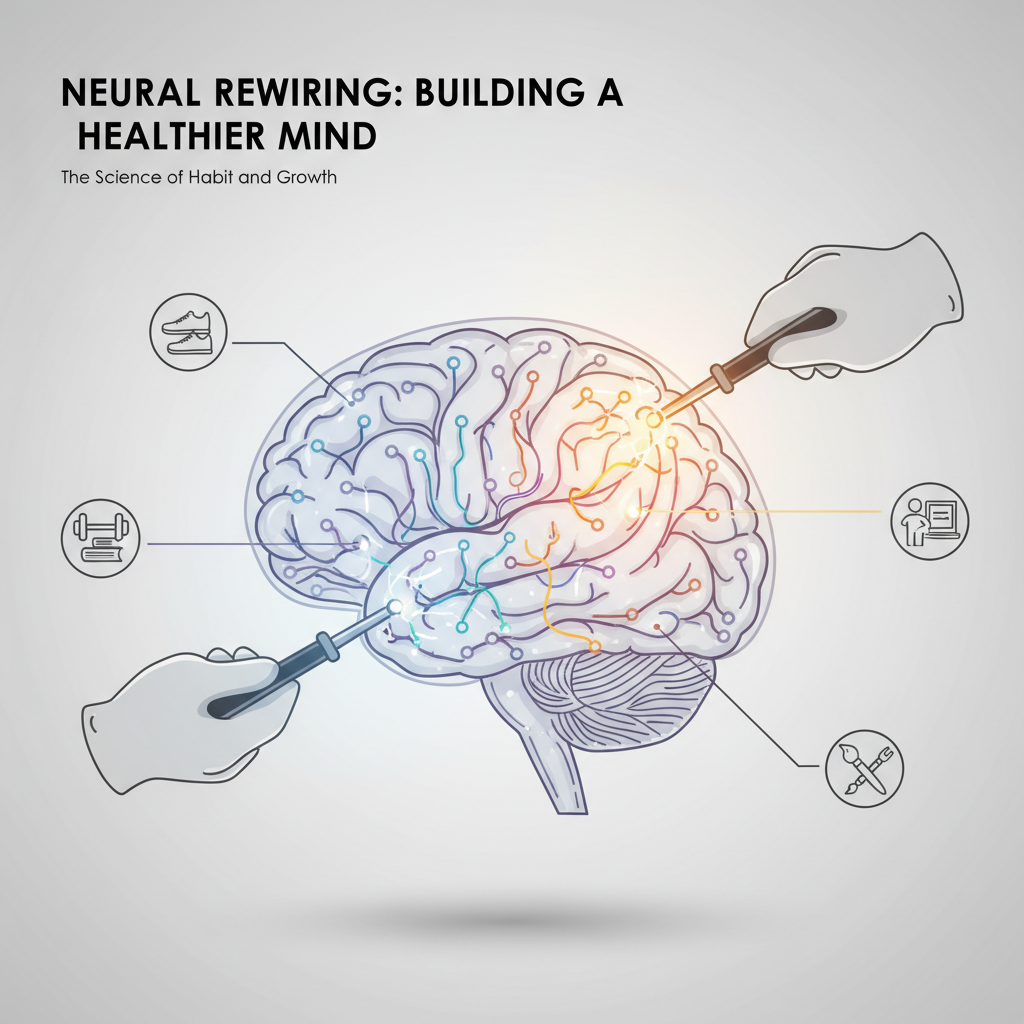
Rewiring Your Reward System: Practical Dopamine Reset Strategies
I learned the hard way that your brain needs time to recalibrate after years of digital overstimulation. The dopamine pathways that got hijacked by endless novelty don't just bounce back overnight.
What actually worked for me was treating the first 30 days like digital detox bootcamp. I deleted social media apps, used website blockers religiously, and replaced mindless scrolling with basic activities that felt boring at first – reading actual books, taking walks without podcasts, cooking simple meals.
The key insight: your reward system needs to remember that normal life can feel good again. Those everyday dopamine hits from completing small tasks, having real conversations, or finishing a workout gradually start registering as satisfying instead of dull.
I'm not gonna lie – weeks two and three sucked. But around day 25, I noticed myself actually enjoying things again.
Common Questions Answered
How long does it take to break the cycle between porn addiction and depression?
From what I've seen, you're looking at 3-6 months minimum to start feeling real shifts in both areas, but honestly, it's not linear - some weeks you'll feel great, others you'll backslide. The key is that addressing one without the other is like trying to fill a bucket with a hole in it.
How much does therapy for porn addiction and depression actually cost?
I'd budget around $120-200 per session for a therapist who actually gets both issues (not all do), and you'll probably need weekly sessions for at least 6 months. Some insurance covers it if it's coded as depression treatment, but don't count on coverage for the porn addiction part specifically.
Can you recover from both porn addiction and depression at the same time, or should you tackle one first?
You have to work on them together - trying to fix one while ignoring the other is like putting a band-aid on a broken pipe. I've found that reducing porn use often makes depression temporarily worse before it gets better, so having depression support in place is crucial from day one.
The Real Deal
Here's my honest take: whether porn came first or depression did doesn't matter as much as breaking the cycle right now. Start with whichever feels easier to tackle today - small wins build momentum. Your brain is more flexible than you think.


