
How to Quit Porn Addiction in 30 Days: A Step-by-Step Recovery Plan for Beginners
Deloop is the #1 porn addiction recovery app. Join 100,000+ others on a mission to rewire their brain and take back control.


I used to think of porn addiction like quicksand – the more you struggle against it, the deeper you sink. Every failed attempt to quit felt like thrashing around, making everything worse. But here's what I've learned after helping dozens of people break free: it's not quicksand at all. It's more like a maze with very specific exit routes that most people just never learned to navigate properly.
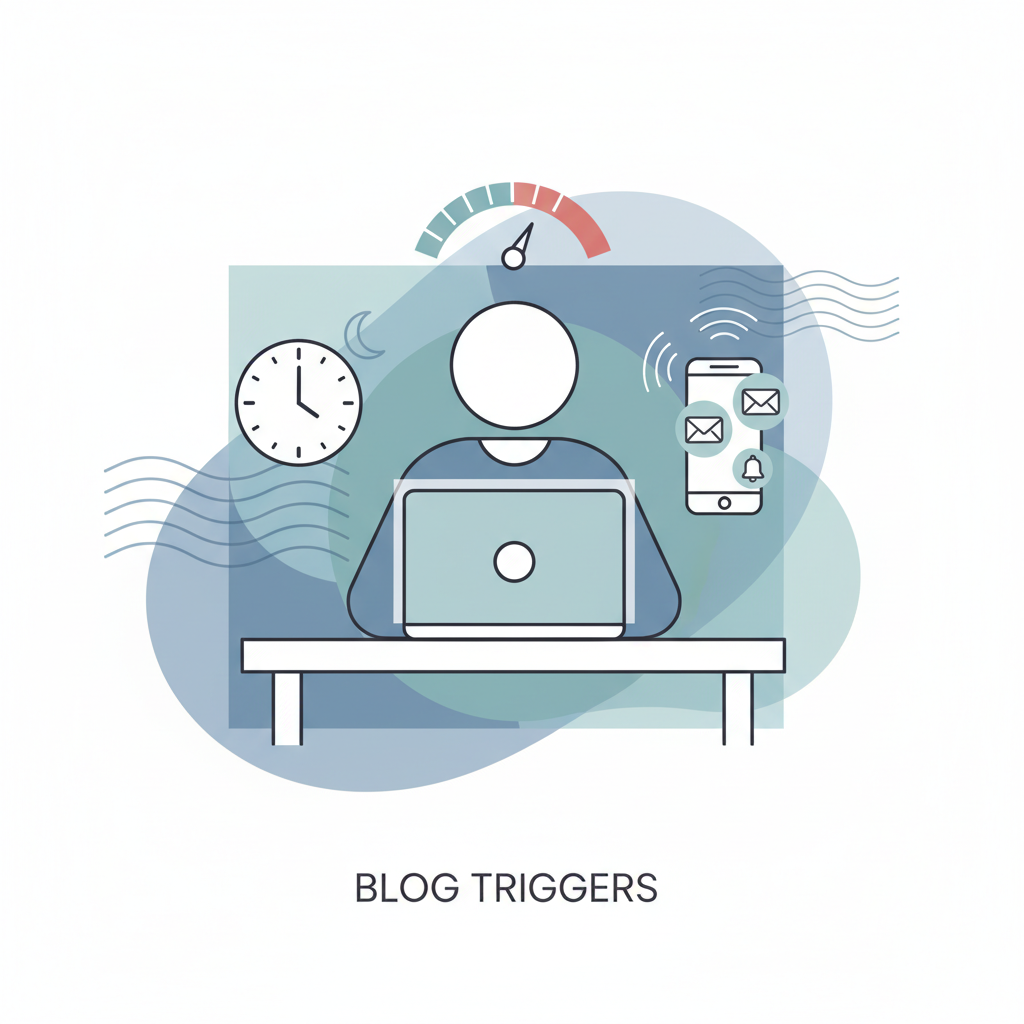
Breaking the Cycle: Identifying Your Personal Trigger Patterns and High-Risk Moments
Priority 1: Time-Based Triggers I've noticed most relapses happen during specific windows. Late nights scrolling your phone? Sunday afternoons when you're bored? Track when urges hit strongest - mine were always around 10 PM and during lunch breaks at work.
Priority 2: Emotional State Mapping Stress, loneliness, and that weird restless feeling after arguments were my biggest triggers. I started writing down what I felt right before urges hit. Turns out, I was using porn to avoid dealing with actual problems.
Priority 3: Environmental Red Flags Being alone with devices in certain rooms was dangerous for me. I had to identify my "danger zones" - my bedroom after 9 PM, the living room couch with my laptop. Your phone in the bathroom probably isn't helping either.
Start tracking these patterns today. You can't fight what you don't recognize.
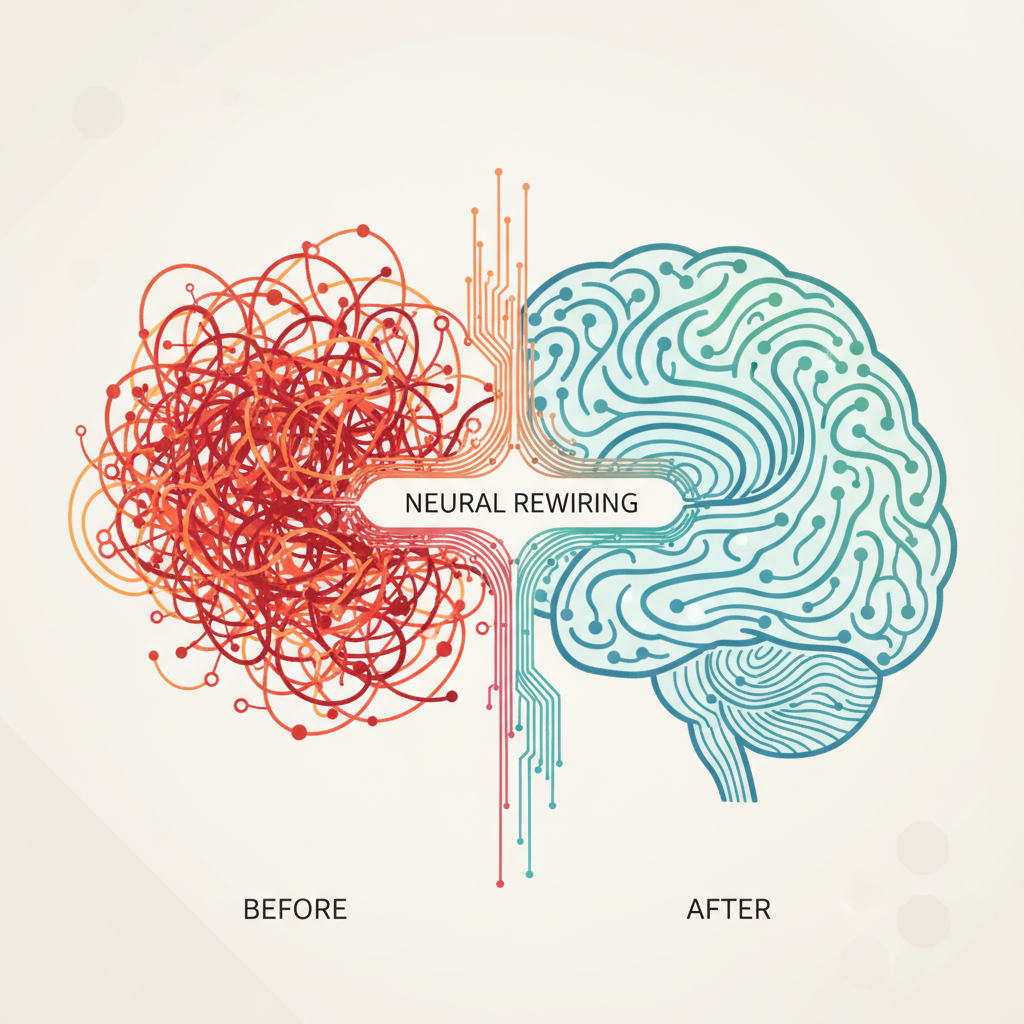
Rewiring Your Brain's Reward System Through Deliberate Dopamine Detox
Person A: "I tried going cold turkey and felt like garbage for weeks. What am I missing?"
Person B: "Your brain's basically throwing a tantrum because you cut off its favorite drug. I had to reset my entire reward system - deleted social media, stopped binge-watching Netflix, even cut out video games for two weeks."
Person A: "That sounds extreme."
Person B: "It was, but necessary. I replaced everything with boring stuff - reading actual books, taking walks, cooking meals from scratch. After about 10 days, simple things started feeling rewarding again. That's when the real recovery began."
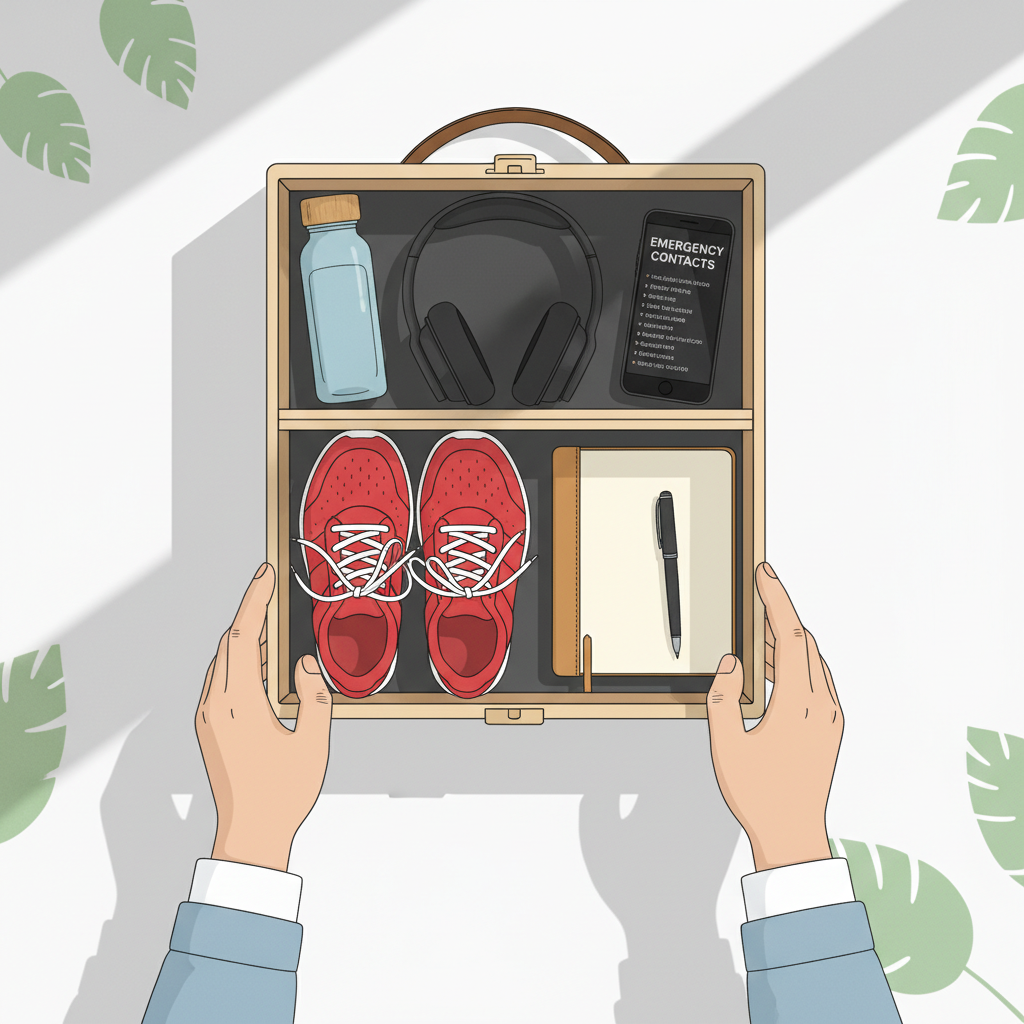
Building Your Arsenal: Emergency Action Plans for Moments When Willpower Fails
Option A: The "White Knuckle" Approach Rely purely on mental strength. Tell yourself "just resist" and hope for the best when urges hit.
Option B: The Emergency Toolkit Have specific actions ready before you need them. I keep a list on my phone: take a cold shower, do 20 pushups, call my brother, or go for a walk.
My take: Option A fails because willpower is finite. When I'm tired, stressed, or caught off-guard, my brain doesn't want to think creatively about alternatives.
Option B works because the plan exists before the urge hits. I've used the cold shower trick probably fifty times—it breaks the mental loop instantly.
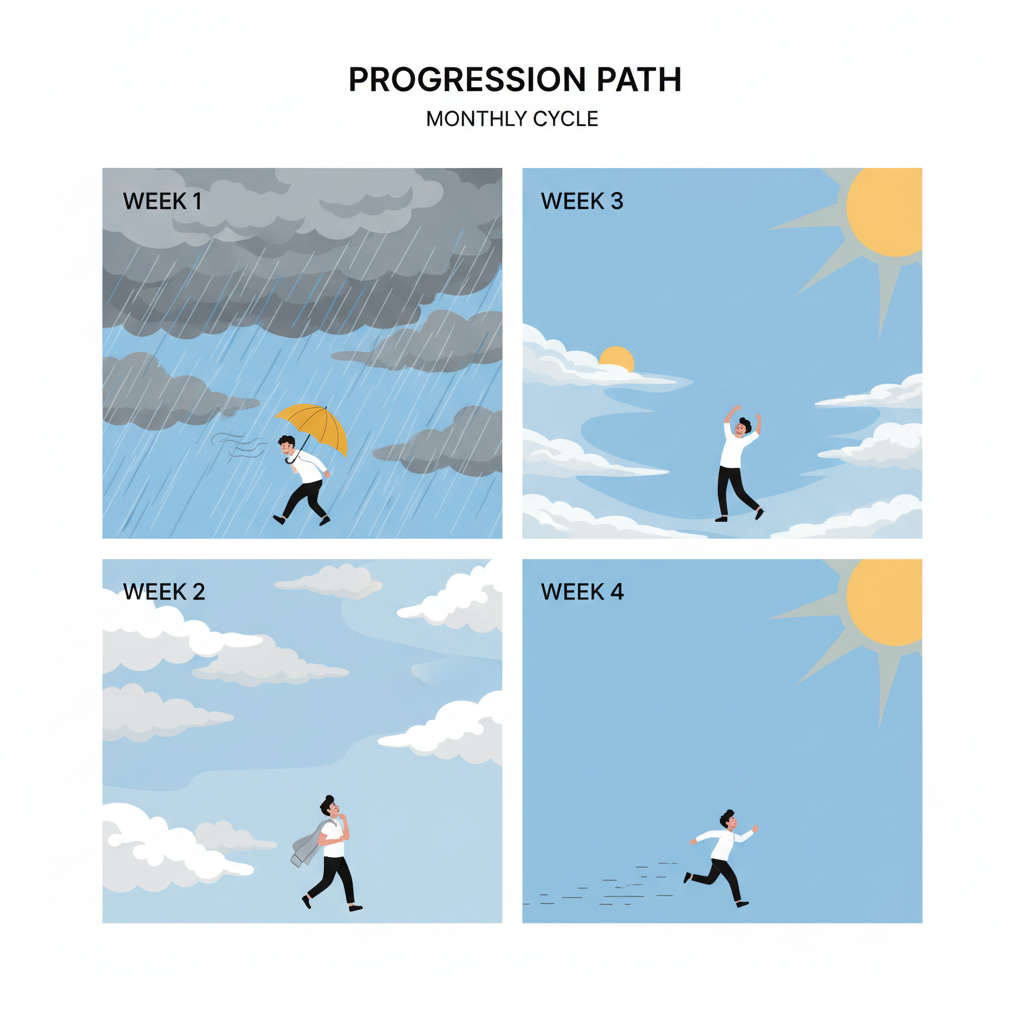
Week-by-Week Reality Check: What Actually Happens During Your First Month of Recovery
| Week 1-2: The Honeymoon | Week 3-4: Reality Hits |
|---|---|
| You'll feel motivated and confident. "This is easy!" becomes your mantra. I actually cleaned my entire apartment during week one because I had so much nervous energy. The urges are there but manageable - you're riding the initial commitment high. | This is where most people crash. The novelty wears off, life stress kicks in, and your brain starts bargaining hard. I remember week three feeling like I was constantly negotiating with myself. "Just once" becomes a dangerous loop. |
| Week 2-3: First Real Test | Week 4: Make or Break |
| The pink cloud fades and actual withdrawal symptoms hit. Mood swings, restlessness, maybe some brain fog. Your usual stress triggers start demanding their old coping mechanism. I found myself staring at my phone way too much during this phase. | Either you've built enough momentum to push through, or you're planning your "reset." The good news? If you make it past day 25, something clicks. Your new routines start feeling normal instead of forced. |
Frequently Asked Questions
Can I really quit in 30 days if I've been watching porn for years?
Honestly, 30 days is more about building momentum than being completely "cured" - I've found it takes most people 2-3 months to feel truly in control, but those first 30 days are crucial for breaking the daily habit cycle. The timeline matters less than actually starting and having a structured approach instead of just white-knuckling it.
What do I do when I get massive urges at night when I'm alone with my phone?
This is where most people fail, so I always tell beginners to physically move their phone to another room before 9 PM and have a specific backup plan ready - whether that's taking a cold shower, doing pushups, or calling someone. The key is deciding your response ahead of time when you're thinking clearly, not trying to make good decisions when you're already triggered.
Is it normal to feel worse mentally for the first few weeks after quitting?
Yeah, this catches everyone off guard - you'll likely feel more anxious, depressed, or irritable for about 2-3 weeks as your brain adjusts to not getting those dopamine hits. I warn people about this because if you don't expect it, you'll think quitting is making things worse and give up right when you're actually making progress.
My Honest Take
Here's what I'd do if I were starting this journey - pick just one or two strategies from this plan, not all of them. I've seen too many people burn out trying to overhaul their entire life overnight.
What's your biggest obstacle right now - finding accountability or dealing with triggers? I'm curious which one hits harder for most people.


